
Best Times for Forex Trading in Nigeria
📈 Discover the best times to trade forex in Nigeria! Learn how market sessions, overlaps, and economic events impact currency moves for smarter decisions.
Edited By
George Mitchell
Forex trading can be quite a puzzle, especially for Nigerian traders who face local market dynamics alongside global financial shifts. Having quality PDF resources simplifies this learning curve by offering clear, structured information you can study anytime—offline or online. These guides cover everything from forex basics to advanced techniques tailored for Nigeria's unique trading environment.
Unlike scattered blog posts or videos, well-crafted PDFs provide step-by-step explanations of vital concepts such as currency pairs, leverage, pips, and spread. For instance, many Nigerian traders start with USD/NGN pairs, so a PDF explaining how naira interacts with the dollar and factors influencing this pair becomes especially useful.
Practical strategies included in these PDFs often feature risk management tuned to typical Nigerian challenges like naira volatility and irregular power supply. Proper money management rules, such as setting stop-loss orders or controlling trade sizes, are emphasized to protect your ₦ investment and avoid heavy losses during unstable market periods.
Solid forex PDFs for Nigerian audiences also highlight safety precautions against scams, which sadly remain common. They guide you on verifying brokerage firms registered with the Nigerian Securities and Exchange Commission (SEC) and advise caution when encountering unbelievable profit promises.
How to make the most of these PDFs? Treat them as living documents by revisiting key chapters regularly and combining theory with practice on demo trading platforms. Engage with Nigerian trading communities for shared experience and updated insights.
Look for PDFs offering clear forex basics and Nigeria-specific examples.
Focus on guides that cover practical risk control and local market conditions.
Use the material to build a disciplined trading routine, not just one-off knowledge.
Prioritize learning about licensed brokerage firms to avoid fraud.
Nigerian traders with strong foundations and reliable PDFs stand a better chance navigating forex waters confidently, turning opportunities into consistent profit over time.
Understanding the basic principles of forex trading is essential for any trader, especially in Nigeria where market dynamics can differ from global norms. Knowing the fundamentals ensures you’re not just guessing but making informed decisions backed by sound knowledge. This foundation helps you assess trades wisely, manage risks, and avoid common pitfalls that many beginners fall into.
Forex trading involves buying and selling currencies in the global foreign exchange market. It’s the biggest financial market worldwide, with daily trades worth over $6 trillion. For Nigerian traders, forex trading offers an avenue to capitalise on fluctuations between currencies such as the naira, US dollar, euro, and others.
Practical relevance is straightforward: understanding forex means knowing how currency pairs move and how news or macroeconomic changes affect their value. For instance, a change in Nigeria’s monetary policy or oil prices might influence the naira’s strength versus the dollar, affecting your trading decisions directly.
Main currency pairs relevant to Nigerian traders include:
USD/NGN: The US dollar against the Nigerian naira, though often traded OTC since not fully listed on global platforms.
EUR/USD and GBP/USD: These pairs are highly liquid and popular globally, offering good trading volumes and opportunities.
USD/CAD and USD/JPY: While less directly tied to Nigeria, these pairs respond to global economic indicators that can indirectly affect commodity prices relevant to Nigeria.
Familiarity with these pairs helps Nigerian traders focus on markets with sufficient liquidity and volatility, reducing the chance of slippages or wide spreads that can hurt returns.
Market hours and sessions matter because forex is a 24-hour market, running five days a week. The day breaks into sessions centred around major financial hubs: Asian (Tokyo), European (London), and North American (New York). Each session sees varying levels of activity and volatility.
For Nigerian traders operating in West Africa Time (WAT, UTC+1), the London session overlaps with local business hours, often offering the most trading opportunities. Knowing when these sessions open and close helps tailor trading schedules for peak liquidity and tighter spreads.
The role of brokers and trading platforms is pivotal. Brokers act as intermediaries, connecting you to the forex market through platforms like MetaTrader 4 or 5, or proprietary apps by firms like XM or InstaForex.
Choosing a credible broker with clear regulation—such as those approved by the Securities and Exchange Commission (SEC) Nigeria—reduces risks of fraud. The right platform provides real-time data, fast order execution, and user-friendly interfaces, making managing trades simpler and reducing costly errors.
Successful forex trading starts with grasping these basics: what forex is, how it runs, and knowing your preferred currency pairs. This knowledge forms the backbone of any profitable strategy Nigerian traders employ.
By building a strong understanding of these fundamentals, traders set realistic expectations and improve their chances of lasting success in the forex market.
Mastering forex trading requires not just the right strategies but also reliable learning materials. PDFs provide a practical way to study forex trading without interference from spotty internet, huge data consumption, or distractions. Using forex trading PDFs effectively can significantly sharpen your understanding and execution of trading, especially in Nigeria where internet connectivity varies widely.
Forex trading PDFs allow you to learn anytime, anywhere, without needing constant internet access. For Nigerian traders, this is quite useful, given frequent power cuts and unreliable network service in many areas. You might download a comprehensive guide from a trusted site, keep it on your smartphone or laptop, then study it during a morning commute in a danfo, or while waiting at a mama put.
This offline flexibility means you can revisit important details repeatedly without worrying about buffering or data cost. Unlike videos or live webinars, PDFs let you control the pace, highlight key sections, and add notes easily. It’s like carrying a personal forex tutor in your pocket.
Good forex PDFs are arranged with clear headings, examples, and exercises that build knowledge step-by-step. They often start with basics like what forex trading is, progress to analysis methods, and conclude with practical trading tips. This structure helps you avoid getting overwhelmed by trying to absorb everything at once.
For instance, a PDF might dedicate a chapter solely to technical indicators, explaining moving averages, RSI, and MACD with charts relevant to currency pairs popular among Nigerian traders like USD/NGN or EUR/USD. Such well-organised content aids focused learning and solid reference for review, which videos or blogs might lack.
Always get your forex PDFs from established sources trusted within Nigeria’s trading community. Leading local financial websites, reputable forex brokers with a presence in Nigeria, or educational platforms like Babypips offer downloadable study materials regularly updated to reflect market changes.
Avoid relying on random downloads from social media or unknown sites, which may have outdated info or low-quality content. Trusted sources usually have clear author credentials and provide accompanying support through forums or webinars.
Beware of PDFs promising guaranteed profits or unrealistic returns—these often come with hidden agendas. Scammers exploit novice traders by circulating misleading guides. Always cross-check the publication date to ensure the content matches current forex market conditions, considering how often monetary policies or exchange rates shift.
A practical tip is to compare the information across multiple PDFs from different vetted sources. If a guide seems off or contains inconsistent terms, discard it. Keeping your learning materials fresh and accurate directly impacts your trading success.
Using forex trading PDFs sensibly means choosing reliable, up-to-date resources and using them actively—not just reading, but practising what you learn consistently.
By making the most of accessible, well-structured PDFs and sourcing them carefully, Nigerian traders can steadily improve their forex skills without unnecessary risks or wasted effort.
Core forex trading strategies are the backbone of successful trading, especially for Nigerian traders navigating a complex market. PDFs explaining these strategies provide a digestible, structured way to grasp essential concepts without getting overwhelmed by jargon or misinformation. These resources are particularly useful because they can be reviewed offline, revisited repeatedly, and often include practical examples tailored to the Nigerian trading environment.
Understanding key economic indicators is fundamental to predicting currency movements. Traders should focus on indicators like inflation rates, interest rates, GDP growth, and employment statistics, which influence currency strength globally. For instance, a sudden hike in the US Federal Reserve's interest rate usually strengthens the US dollar, affecting forex pairs involving the naira (₦). PDFs often simplify these concepts with straightforward explanations and real-world cases.
Local economic conditions in Nigeria significantly affect how forex trades perform. Factors like the Central Bank of Nigeria's (CBN) monetary policies, changes in crude oil prices (Nigeria's main export), and foreign exchange reserves sway the naira's value. For example, a drop in oil prices can weaken the naira, impacting forex pairs such as USD/NGN. A good PDF resource will highlight these links, helping traders factor domestic events into their strategies.
Charts show price movements visually, enabling traders to spot trends, support and resistance levels, and chart patterns like head and shoulders or double bottoms. For Nigerian traders, recognizing these patterns in US dollar or euro pairs against the naira can signal potential entry or exit points. PDFs break down how to read candlestick charts and identify meaningful patterns without needing advanced technical skills.
Indicators like Moving Averages (MA), Relative Strength Index (RSI), and Bollinger Bands are staples in technical analysis. They help traders measure momentum, overbought or oversold conditions, and volatility. Nigerian traders using PDFs learn how to apply these tools practically—for example, using RSI to decide when the USD/NGN pair may reverse its direction after overbuying.
Controlling risk is vital in forex trading. Setting stop-loss orders limits potential losses by automatically closing trades at predetermined levels, while take-profit orders lock in gains when a target price is hit. PDFs illustrate how to calculate these levels logically based on market volatility and individual risk appetite, which prevents reckless trading behaviour common among beginners.
Determining the right position size ensures traders do not risk too much on a single trade. A common rule is to risk only a small percentage (often 1-2%) of the trading account per trade. PDFs provide step-by-step methods on calculating position size using the formula: Position Size = Account Risk / Stop-Loss Distance. This helps Nigerian traders safeguard their capital amid forex market swings caused by political shifts or economic reports.
Mastering these core strategies through well-crafted PDFs equips Nigerian traders to make informed decisions, avoid costly mistakes, and build confidence in the forex market.
Trading forex without proper safety measures risks wiping out your investment quickly, especially in volatile markets like Nigeria's where currency swings and economic news affect prices sharply. Understanding how to spot trustworthy platforms and maintain discipline can protect your capital and improve your chances for steady gains.
In Nigeria, the Securities and Exchange Commission (SEC) regulates the capital market space, while the Central Bank of Nigeria (CBN) oversees financial institutions. Reliable forex brokers operating here must hold licences from relevant bodies like SEC or be registered with international regulators such as the Financial Conduct Authority (FCA) in the UK or the Cyprus Securities and Exchange Commission (CySEC). This regulation ensures they follow rules that protect your funds and offer transparent trading conditions.
For example, brokers like FXTM and HotForex have Nigerian clients because they comply with these regulatory standards, giving traders some assurance their money won’t disappear randomly. Checking broker licences should be your first step before registering with any platform.
Unfortunately, Nigeria’s forex market has attracted scammers preying on unsuspecting traders. These fraudsters often promise guaranteed returns or leverage ratios beyond industry norms to lure you in. To avoid such pitfalls, confirm that the broker is listed by SEC or your local regulatory authority and review user feedback on forums like Nairaland or established financial blogs.
Watch out for red flags: platforms without verifiable contact details, poor website security, and pressure tactics to deposit large sums fast. Many Nigerian traders have lost ₦100,000 or more to such scams, so it's wise to stick with brokers endorsed by well-known local or international institutions.
Discipline means sticking to your trading rules and avoiding impulsive decisions. Without a clear plan, many traders jump in during hype or after hearsay, leading to poor trades and losses. A trading plan outlines entry and exit points, risk limits, and position sizes based on your capital and market research.
Consider a trader who sets a stop-loss at 2% of their investment per trade and never deviates even if tempted by a flicker of hope for quick profits. This approach curbs losses and protects capital, vital for long-term survival. Success in forex comes from consistent practice and following your plan even when the market tests your patience.
Emotional control can be tougher than technical skills. Fear and greed often cause traders to close winning trades too early or hold on to losers hoping they'll reverse. Recognising these emotions and reacting with calm is crucial.
Use tools like journal keeping to track feelings during trades and identify emotional triggers. Some Nigerian traders listen to calming music or take short breaks during volatile trading to reset their mindset. Remember, tempering emotion with logic helps avoid chasing losses or overtrading, which drain your account.
Staying safe and cautious doesn't just protect your funds—it builds the confidence needed to navigate forex markets successfully over time.
By focusing on licensed brokers, dodging fraud, and building discipline with emotional balance, Nigerian traders can create a solid foundation for profitable forex trading.
Starting your forex trading journey right can make a huge difference. Using PDFs tailored for Nigerian traders gives you a practical, step-by-step roadmap to avoid costly mistakes early on. These guides focus on the basics like account types, demo practice, and how to move into live trading confidently, all while encouraging continuous learning to keep up with market shifts.
Most brokers offer different account types to suit varying needs and experience levels. For instance, a standard account allows trading with typical lot sizes, suitable for those with some capital and experience. Meanwhile, micro or mini accounts cater to beginners or those with limited funds, often requiring smaller deposits and allowing trades with less financial exposure. The choice matters because your account type determines your leverage, spread costs, and minimum deposit, which impact your risk and potential profits.
For beginners, starting with a micro account is often the safest bet. It lets you trade live markets without risking too much of your capital upfront. Some Nigerian brokers also offer Islamic accounts (swap-free), aligning with religious principles, which can be relevant for many traders here. Understanding these options within the PDFs helps you pick a setup that fits your budget and goals.
Demo accounts are like training wheels, offered by nearly all brokers. They let you trade with virtual money in real market conditions, a crucial step before risking your ₦. To use demo accounts effectively, treat them as seriously as live trading. Test strategies, set stop-loss and take-profit levels, and observe how market news influences price movement. This practice builds your confidence and helps you understand the trading platform features.
Switching to live trading should only happen when you consistently make sound decisions on your demo account. Real money brings psychological pressure that virtual funds do not replicate, so it pays to start small and gradually increase your stakes. PDFs often outline this progression, reminding you not to rush and to focus on building discipline and patience.
The forex market does not stand still, and neither should your knowledge. Following market news and updates is essential—the Central Bank of Nigeria's announcements, global economic reports, and geopolitical events can all sway currency prices. PDFs frequently recommend reliable news sources and economic calendars, helping you stay ahead.
Using advanced PDFs and resources is another way to sharpen your skills over time. Once you grasp basics, documents detailing sophisticated indicators, algorithmic trading basics, or Nigerian-specific market insights can help refine your edge. Always balance new information with practice to keep improving steadily.
Starting smart with the right account and practising before going live saves money and stress. Staying up to date and using quality PDFs ensures you adjust well to Nigeria’s dynamic forex environment.
Practical steps build the foundation—without them, trading becomes guesswork. PDFs designed for Nigerian traders provide actionable knowledge vital for making real gains in forex markets.
📈 Discover the best times to trade forex in Nigeria! Learn how market sessions, overlaps, and economic events impact currency moves for smarter decisions.
Master practical forex trading strategies for Nigerian traders 🇳🇬. Learn key concepts, risk tips, technical analysis, and trading psychology for steady wins 📈.
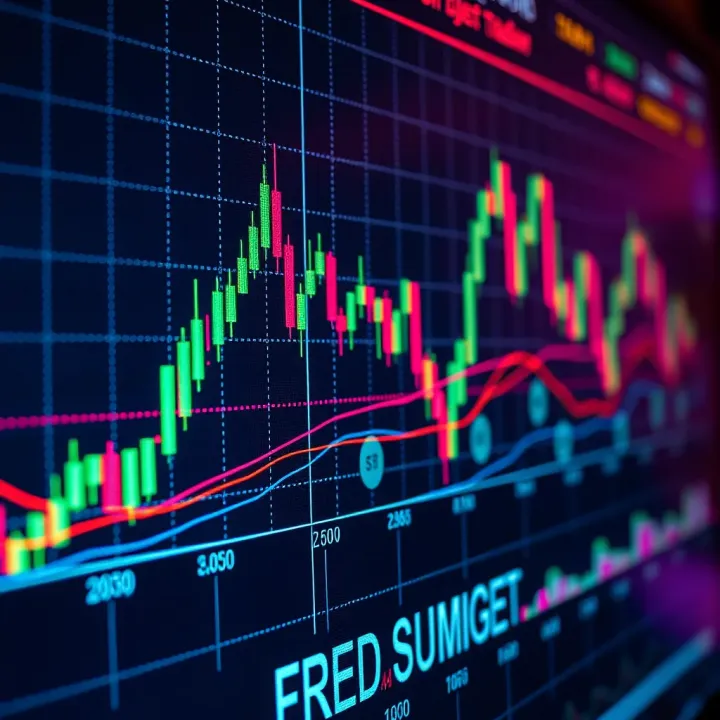
🇳🇬 Discover top forex trading tips for Nigerian traders! Learn to pick reliable brokers, manage risks smartly, and boost your profits in Nigeria's forex market.

📈 Master forex trading in Nigeria with effective strategies: trend following, range trading, breakouts & savvy risk management for steady success.
Based on 7 reviews