
Top Crypto Trading Platforms in Nigeria
Explore top crypto trading platforms in Nigeria 🇳🇬. Learn about security, fees, user experience, and regulations to trade safely and smartly! 💹
Edited By
William Harper
Nigeria's growing interest in cryptocurrency has made learning crypto trading a practical step for many looking to diversify income or understand this dynamic market. However, starting out in crypto trading without a solid foundation can quickly lead to costly mistakes. This guide aims to clear that path by helping you grasp key concepts and practical steps tailored for Nigerian traders.
Trading crypto isn't about luck but about understanding the market and managing risks. Before you buy bitcoin or altcoins, you should know how crypto exchanges work, how prices move, and how to interpret market signals. Unlike the stock market, crypto operates 24/7, which means active monitoring is crucial, especially when naira volatility can influence investing decisions.

Choosing the right trading platform is your first practical step. Platforms like Binance, Remitano, or local exchanges such as Quidax offer different features. Some provide Naira pairing, making deposits and withdrawals easier with local banks. Consider transaction fees, security measures like two-factor authentication, and user experience on mobile apps, as many Nigerians trade using smartphones.
Understanding basic market analysis helps you decide when to buy or sell. Fundamental analysis looks at broader factors like news affecting regulations from the Central Bank of Nigeria (CBN) or global crypto trends. Technical analysis focuses on price charts and indicators to predict future movements. You don’t need a degree in finance, but grasping simple tools like moving averages or RSI (Relative Strength Index) can improve your decisions.
Learning crypto trading is a step-by-step process; start small, use demo accounts if possible, and avoid chasing quick profits without research.
Risk management is another pillar. Never invest money you can't afford to lose, especially with Nigeria's power supply challenges that can interrupt online trading. Setting stop-loss orders limits potential losses, while diversifying your portfolio spreads risk. Avoid putting all your ₦50,000 or ₦100,000 into one coin just because of hype.
Finally, steady learning is key. Follow local news, forums, and trusted crypto influencers who understand Nigeria’s unique regulatory and economic landscape. Know that success comes from patience, discipline, and making informed choices rather than simply relying on tips or hearsay.
Starting crypto trading with a clear plan and practical knowledge sets you apart. This article will build on these basics to help you trade smarter and more confidently in Nigeria’s crypto scene.
Grasping the basics of cryptocurrency and trading is the first step for anyone looking to engage in crypto markets confidently. Without understanding what cryptocurrency is and how it operates, you risk making poor investment choices or falling for scams. This foundation also enables traders to navigate the fast-moving crypto environment with practical awareness.
Definition of cryptocurrency: Cryptocurrency is a form of digital money secured by cryptography, which makes it difficult to counterfeit or double-spend. Unlike physical cash, cryptocurrencies rely on decentralised systems, often involving thousands of computers worldwide, rather than a central bank. This decentralised nature appeals to many Nigerians wary of traditional banking challenges.
Blockchain technology overview: The backbone of cryptocurrencies is blockchain, a distributed ledger that records transactions in a secure, tamper-proof way. Every transaction is added to a chain of blocks, hence 'blockchain', ensuring transparency and immutability. For example, Bitcoin's blockchain shows every transfer, making fraud nearly impossible.
Popular cryptocurrencies in Nigeria: Nigerians tend to trade and invest mostly in cryptocurrencies like Bitcoin (BTC), Ethereum (ETH), and Binance Coin (BNB). These have high liquidity and are widely accepted on local platforms. Bitcoin often serves as a store of value, while Ethereum’s smart contracts provide use cases beyond just payments, such as decentralised finance (DeFi).
24/7 market operation: One striking difference is crypto markets never close — trading happens all day, every day worldwide. This allows Nigerian traders to act outside standard banking hours or market days. However, the constant operation means you must stay alert; prices can shift rapidly, even during odd hours.
Volatility and liquidity factors: Cryptocurrencies usually experience higher price swings than traditional stocks or forex. Volatility can offer significant profit opportunities but also risk. Liquidity, or how easily an asset can be bought or sold, varies by coin and exchange. For instance, Bitcoin and Ethereum have tight spreads and large volumes, while smaller altcoins may be thinly traded.
Role of exchanges in crypto trading: Exchanges act as the marketplace where cryptocurrencies are bought and sold. In Nigeria, platforms like Binance, Luno, and local peer-to-peer (P2P) exchanges enable NGN deposits and withdrawals. They provide the trading infrastructure, chart tools, and customer support, making them essential for access and smooth trading experience.
Knowing these basics prepares you to choose the right platforms and strategies, helping you trade with greater confidence and avoid common pitfalls in Nigeria’s unique crypto scene.
By understanding what cryptocurrencies are, how blockchain works, and the key differences between crypto and traditional markets, you build a solid base to approach crypto trading methodically. You’ll be better positioned to react to market dynamics, pick coins wisely, and use appropriate platforms suited for Nigerian traders.
Before you start trading cryptocurrencies, setting up a solid trading environment is non-negotiable. Your choice of exchange, wallet, and security measures will directly affect your success and safety. For Nigerian traders, who face specific challenges like fluctuating naira values and regulatory uncertainties, building the right setup is even more critical.
Choosing a trustworthy crypto exchange is the first step in creating your trading environment. Security is key here because Nigeria has seen reports of exchange hacks and fraud. Look for exchanges with strong security protocols like cold storage and insurance against theft. Fees also affect profitability — excessive trading or withdrawal charges can eat your gains, so pick an exchange with transparent and reasonable fees. Liquidity matters too; high liquidity means you can buy or sell large amounts without big price swings. A platform with low trading volume might leave you stuck or force you to accept bad rates.
Nigerian traders mostly use platforms such as Binance, Quidax, and Luno. Binance offers a global reach with a wide coin selection and good liquidity, although its verification process might take time. Quidax provides NGN (Nigerian Naira) trading pairs, which helps avoid currency conversion fees and naira volatility. Luno is also popular due to its user-friendly interface and straightforward Naira deposits. Selecting a platform that supports NGN helps you avoid the cumbersome step of converting foreign currencies and can speed up your transactions.
Registering on these exchanges usually requires your BVN (Bank Verification Number), a valid ID (like your Nigerian National ID or driver’s licence), and proof of address. This Know Your Customer (KYC) step is essential to comply with anti-money laundering (AML) laws and to keep your account secure. Some exchanges might take a few days to verify your documents, so start this early. Beware of platforms that skip verification; they might pose higher security risks or limited service options.
Crypto wallets come in two main types: hot and cold wallets. Hot wallets are connected to the internet, making them ideal for active trading since you can quickly access your funds. However, they are vulnerable to hacking. Cold wallets, like hardware devices or offline paper wallets, store your coins without internet connection, significantly reducing the risk of theft. For Nigerian traders, keeping most assets in cold wallets while using hot wallets for daily trades balances convenience and security.
Besides wallet choice, protecting your crypto assets means guarding your private keys and passwords. Never share these details, and beware of phishing attempts common in Nigeria’s fast-growing crypto space. Consistent backups of your wallet seed phrase in secure offline locations can be a lifesaver if your device is lost or stolen. Using trusted antivirus software and avoiding public Wi-Fi when trading adds extra layers of protection.
Two-factor authentication (2FA) is a simple but effective security step most exchanges and wallets offer. By linking your account to an app like Google Authenticator, you add an extra verification step beyond just your password. This makes it much harder for hackers to access your account, even if they get hold of your password. Many Nigerian traders report that setting up 2FA saved them from losing funds in attempted hacking attempts, so do not skip this step.
Setting up your crypto trading environment properly sets the foundation for profitable and secure trading. Without a reliable exchange, a safe wallet, and strong security practices, you risk losing money and wasting valuable time.
This section covers the crucial groundwork you must lay down before trading cryptocurrencies successfully in Nigeria's unique ecosystem.
Mastering market analysis is essential for anyone serious about crypto trading. Without adequate analysis skills, you might end up making decisions based on guesswork or emotions, which often leads to losses. For Nigerian traders, understanding market patterns and signals helps navigate the often volatile crypto space, especially considering the naira's fluctuations and local regulatory conditions.
Understanding the core goals and technical details of a cryptocurrency project is the foundation of fundamental analysis. Whitepapers act as blueprints detailing the project’s purpose, technology, use cases, and roadmap. For instance, when considering a Nigerian fintech token, reading its whitepaper can reveal if the project targets real problems like payment infrastructure or just aims for quick gains. This evaluation helps you decide whether a currency has long-term potential or is likely a pump-and-dump scheme.
Crypto prices often react swiftly to news events. Local and international developments—such as Central Bank of Nigeria (CBN) directives, partnerships, security breaches, or technological upgrades—can signal upcoming price movements. Following reliable news sources and social media updates from verified Nigerian crypto influencers keeps you ahead. For example, if a well-known exchange like Bundle announces NGN support improvements, it might boost user demand and token value.
Sentiment gauges the overall mood among traders: are people optimistic, fearful, or uncertain? Social media chatter, trading volumes, and even national economic trends influence sentiment. Say, during ember months, cautious economic outlook might temper enthusiasm, lowering crypto investments temporarily. Tools that measure sentiment indicators or surveys in popular Nigerian trading groups can provide insights, helping you avoid emotional decisions and plan entries or exits strategically.
Being able to read charts is crucial for timing trades. The Japanese candlestick chart is popular because it shows opening, closing, high, and low prices in a single visual. Recognising patterns like "doji" or "hammer" can signal potential reversals or continuations. For example, spotting a bullish engulfing pattern on Bitcoin’s hourly chart might alert you to a short-term upward move, perfect for day trading.
Indicators simplify complex price action into digestible metrics. The Relative Strength Index (RSI) reveals overbought or oversold conditions; a RSI above 70 often signals the asset is overbought, suggesting a correction could happen. The Moving Average Convergence Divergence (MACD) helps identify momentum changes. Meanwhile, moving averages smooth out price data to highlight trends. Nigerian traders often combine these tools to confirm signals before buying or selling, reducing risk of false moves.
Support and resistance levels mark price points where a coin struggles to move below or above. These often coincide with large buy or sell orders. For example, if Ethereum keeps bouncing back after ₦2,000,000, that area becomes a support level worth watching. Knowing these levels lets traders set smart stop-loss orders or decide when to lock-in profits, crucial for protecting capital in fast-moving markets.
Effective market analysis blends fundamentals with technical insights. For Nigerian traders navigating crypto's unpredictability, these skills offer a clearer, more confident trading path.
Creating a solid trading strategy and managing risks are critical for any trader serious about the crypto market. Without a clear plan, many traders jump in recklessly, often losing more than they gain. Developing a consistent approach helps you make informed decisions, avoid impulsive trades, and adapt to changing market conditions. Managing risk protects your capital, ensuring you stay in the game long enough to see profits and learn from experience.
Setting clear trading goals defines what you want to achieve and helps measure progress. For instance, you might aim to make a 5% monthly return or grow your capital steadily over six months. Timeframes matter too because they influence your style: will you trade daily, weekly, or hold assets for months? Establishing these boundaries keeps you focused and prevents chasing the market aimlessly.
Different trading styles suit various lifestyles and risk appetites. Day trading involves buying and selling within the same day, capitalising on short-term price movements. This style demands constant attention and quick decisions, which might not fit those with a full-time job. Swing trading holds positions for several days or weeks, seeking medium-term trends. This approach balances active trading with more breathing space. Lastly, HODLing, a popular term in Nigeria, means buying crypto for long-term growth and ignoring daily price swings. It works well for those less interested in daily market action but who believe in crypto’s future.
Before risking real money, trial your strategy with historical data or demo accounts to see how it performs. Backtesting can reveal if your plan holds up across different market conditions. For example, testing your strategy through a bullish and bearish period highlights its strengths and weaknesses. Remember, markets evolve; a rigid strategy won’t always succeed. Regularly reviewing and adjusting your approach will keep you ahead, especially when naira volatility or regulatory changes shake the waters.
Knowing how much to invest in each trade is essential for limiting losses. A common tactic is risking only 1–2% of your total trading capital per trade. For instance, with a ₦100,000 portfolio, you’d risk no more than ₦1,000–₦2,000 on any single trade. This way, a few unlucky trades won’t wipe out your account. Position sizing depends on volatility too; risk more on stable coins, less on highly volatile altcoins.
Setting stop-loss points automatically sells your crypto if price falls below a certain level, capping potential losses. On the flip side, take-profit orders lock in gains once a set target price hits. Imagine buying Bitcoin at ₦3,000,000 and setting a stop-loss at ₦2,850,000 and take-profit at ₦3,300,000. You avoid panic selling in a dip and secure profits when the market moves your way. These orders help control emotions and protect your capital.
Emotions often sabotage trading decisions. Fear and greed can make you jump into a trade too soon or hold losing positions too long. Sticking to your trading plan prevents such mistakes. Many beginners fall for hype, chasing sudden price spikes or selling off on rumours. Developing discipline means accepting small losses and avoiding the temptation to ‘get back’ losses quickly. Professional traders focus on process, not panic. Practising patience and letting your strategy guide your moves pays off over time.
A practical, well-tested strategy paired with solid risk control safeguards your investment and builds confidence in navigating Nigeria’s sometimes unpredictable crypto scene.
Building your trading plan and managing risks aren’t just technical exercises — they’re ways to protect yourself from the many ups and downs of crypto markets. Being consistent and cautious ensures your trading journey is sustainable and rewarding.
For Nigerians venturing into crypto trading, understanding local realities is just as important as mastering trading strategies. Practical tips tailored to Nigeria's unique market conditions and regulatory environment help avoid common pitfalls and boost your chances of success. From navigating Central Bank of Nigeria (CBN) regulations to managing naira fluctuations, these insights prepare you for smooth trading.
The CBN currently prohibits banks and financial institutions from facilitating transactions involving cryptocurrencies. While crypto trading itself isn’t illegal, this policy means you cannot deposit or withdraw naira directly on exchanges via Nigerian banks. Knowing this helps you avoid unnecessary frustrations when funding accounts or cashing out profits.
To work around this, many traders use peer-to-peer platforms or crypto exchanges with dedicated naira payment gateways. That way, you still enjoy access to global cryptocurrencies while respecting local requirements.
Peering over borders, platforms like Binance P2P and Remitano allow Nigerians to buy or sell crypto directly with other users using naira. These platforms offer flexibility, often at better rates than traditional exchanges. They also help manage liquidity in the absence of direct bank support.
Using these gateways safely requires checking user reviews and trade limits. Always use escrow services provided by the platforms to reduce risks.
Naira’s exchange rate swings can eat into your trading margins, especially when converting profits back to local currency. Plus, transaction fees—whether on peer-to-peer platforms or crypto networks—affect your net returns.
To mitigate this, consider trading stablecoins pegged to the US dollar (USDT, USDC). They offer a safer store of value against naira volatility. Also, plan trades to minimise frequent conversions, which attract fees. Many Nigerian traders hold crypto longer or use on-ramping services with low fees.
Stay informed by following trusted Nigerian crypto enthusiasts and market analysts on social media and through blogs. Influencers often share early signals, local insights, and practical tips that global sources may miss.
Forums like Nairaland’s crypto section or Telegram groups specific to Nigeria offer valuable spaces for discussion. Engaging regularly sharpens your market sense and helps spot scams.
Joining Nigerian trading communities—whether online or offline—gives you access to shared experiences and mentorship. Groups on WhatsApp or Telegram provide real-time updates on price movements and regulatory changes.
These networks also encourage discipline by sharing best practices on risk management and trade execution.
Learning never stops in crypto trading. Nigerian platforms like CryptoAcademy.ng and international courses customised for Africans provide structured training on market analysis, portfolio building, and security.
Supplement courses with practical tutorials and use demo accounts on exchanges to practise without risk. This blend of theory and hands-on experience builds confidence before real investments.
Practical awareness and community support combined are your best tools for successful crypto trading in Nigeria. With smart planning, you can turn local challenges into opportunities and grow steadily.
Explore top crypto trading platforms in Nigeria 🇳🇬. Learn about security, fees, user experience, and regulations to trade safely and smartly! 💹
🔍 Find the best crypto trading platforms in Nigeria! Explore fees, security, ease of use, local payment options, and regulations to trade smartly. ₦💰
Explore top crypto trading bots for Nigerian traders 🚀 Find key features, risks, and tips to choose the bot that matches your style and goals safely 🛡️
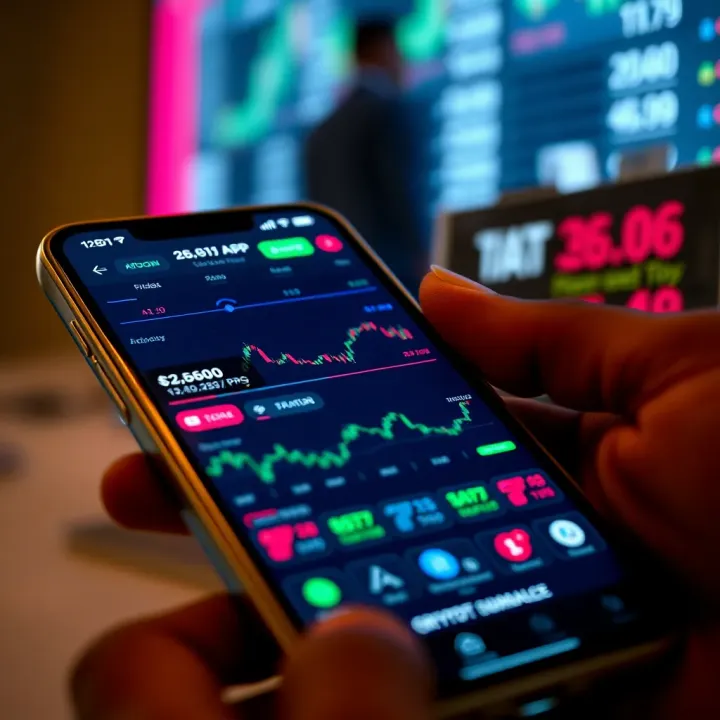
Explore top crypto trading apps in Nigeria! 🔒 Learn to spot key features, compare fees, ensure security, and trade smarter today. 📈
Based on 11 reviews