
How to Start Forex Trading in Nigeria
Start your forex trading journey in Nigeria with this practical guide 📈. Learn how to pick brokers, open accounts, manage risks, and trade safely in ₦ easily.
Edited By
Amelia Clarke
Before jumping in, understanding the basics of crypto is key. Cryptocurrencies like Bitcoin, Ethereum, or Binance Coin operate on blockchain technology, enabling secure, decentralised transactions without intermediaries like banks. However, crypto prices can be volatile, so caution is necessary.
Trading crypto in Nigeria comes with unique challenges. Local exchanges like BuyCoins, Quidax, and Bundle offer naira pairs to ease buying and selling. Still, buyers must evaluate liquidity and trading fees. Also, regulatory updates from the Central Bank of Nigeria (CBN) affect crypto accessibility and payment options, so staying informed about compliance helps prevent losses.

Jumping in without proper research is risky; success in crypto trading depends partly on knowledge and timing.
Here's a quick rundown on what to do before you start:
Educate yourself: Follow trusted Nigerian crypto news sites and communities to stay updated on trends and regulation.
Choose reliable trading platforms: Pick exchanges registered with Nigerian authorities or well-rated internationally, ensuring they provide secure wallets.
Start with small investments: Avoid risking large sums initially; use small amounts to learn market behaviour.
Consider security: Use two-factor authentication and never share private keys.
Plan your strategy: Decide if you’re trading for short-term gains or long-term holding, then track your portfolio carefully.
Understanding these steps makes your entry into crypto trading clearer and safer. Later sections will unpack platform choices, wallet types, risk management, and practical tips tailored to Nigeria’s dynamic crypto space.
Grasping the basics of cryptocurrency and how its trading works is essential before putting any money in. This knowledge helps you avoid costly mistakes and makes the whole process less daunting, especially within Nigeria's unique economic environment. Imagine walking into a busy Lagos market without checking the prices; trading crypto without understanding the fundamentals is quite similar.
Cryptocurrency is a form of digital money secured by cryptography, making it extremely difficult to counterfeit or double-spend. Unlike the physical naira in your wallet, crypto exists electronically on a distributed system called blockchain. Bitcoin, for example, launched in 2009, is the most popular cryptocurrency and often referred to as digital gold. Nigerians use crypto not only for investment but also to transfer funds quickly across borders, sidestepping slow and costly traditional banking routes.
Crypto trading entails buying and selling cryptocurrencies with the hope of making profit from price changes. It resembles trading stocks but happens on specialised platforms called cryptocurrency exchanges. You could, for example, buy bitcoin at ₦10 million and sell it later if the price rises to ₦12 million, pocketing the difference. Trading works in pairs—for instance, BTC/NGN means you're exchanging bitcoin against Naira. Unlike owning crypto passively, active trading requires understanding when to enter or exit the market to maximise returns.
Remember, crypto markets operate 24/7, meaning price movements can happen any time, even when Nigerian banks are closed.
To navigate crypto trading confidently, familiarise yourself with these terms:
Wallet: A digital tool to store your cryptocurrencies securely.
Exchange: Platform where you buy or sell crypto.
Altcoins: Any crypto other than Bitcoin; examples include Ethereum and Binance Coin.
Liquidity: How easily an asset can be bought or sold without affecting its price.
Bull Market: A market trend where prices rise steadily.
Bear Market: A prolonged decline in prices.
Understanding these terms lets you follow market discussions and use trading tools effectively.
Understanding cryptocurrency and its trading basics forms the core of becoming a confident trader in Nigeria. With this knowledge, you are better positioned to tackle the market with a clear strategy and avoid pitfalls many beginners face.
Before you put your money into crypto trading, it's necessary to get ready properly. Crypto markets can be very different from traditional markets, especially here in Nigeria where regulation, infrastructure, and currency factors play big roles. Getting ready helps avoid costly mistakes and risky moves.
Nigeria’s approach to cryptocurrency has been complex. The Central Bank of Nigeria (CBN) banned banks from facilitating crypto transactions in 2021, but trading via peer-to-peer platforms remains common. Traders should know that while buying and selling crypto isn’t illegal, the regulatory framework is unsettled and evolving. It’s essential to keep up with announcements from the CBN and the Securities and Exchange Commission (SEC) to stay on the safe side. For example, some crypto exchanges are registered with SEC, giving them formal recognition, but many operate outside full regulatory oversight.
Understanding the current legal status safeguards you from sudden disruptions or penalties that can arise from ambiguous policies.
Crypto trading requires clear awareness of how much you can afford to lose. Unlike putting money in a fixed deposit or mutual fund, cryptocurrencies can swing wildly within days or hours. Nigerians juggling daily expenses, generator fuel, or school fees shouldn't stake funds meant for essentials. Instead, approach crypto trading with money set aside as an investment experiment. Calculate a comfortable sum, no more than 5-10% of your disposable income, so losses won't disrupt your life. Also, reflect on your nature: are you comfortable with high risks for possible high returns, or do you prefer steady growth? Knowing this upfront helps shape your trading style and decisions.
Crypto prices rarely stay steady. Events like regulatory clampdowns, market sentiment shifts, or even social media trends can cause rapid price changes. For instance, Bitcoin or Ethereum prices have dropped or rallied by double-digit percentages within a week several times. Nigerian traders face additional risks from naira exchange rate volatility. Since most cryptos trade against dollar-based stablecoins or fiat, sharp naira depreciation can quickly alter your real investment gains or losses. Be prepared for this rollercoaster ride by monitoring market news closely, using stop-loss orders, and avoiding emotional trading.
Starting well-prepared means understanding your legal environment, knowing your financial limits, and accepting the risks involved. This foundation protects you from avoidable pitfalls as you begin navigating crypto trading in Nigeria.
Selecting the right cryptocurrency exchange is a key step for Nigerians keen to trade crypto effectively and securely. The exchange acts as your gateway to buy, sell, and manage digital assets. A good platform not only offers user-friendly features but also safeguards your funds against scams, hackers, and operational glitches. Given the growing number of exchanges accessible to Nigerians, knowing what to look out for can save you from costly mistakes and frustrations.
When evaluating a crypto exchange, several features stand out. First, ease of use is vital, especially for beginners; interfaces that are clear and straightforward reduce errors and speed up learning. Second, deposit and withdrawal options using Naira should be checked – platforms supporting local bank transfers or USSD payments simplify funding your account. Third, low fees on trades and withdrawals help keep costs manageable; some Nigerian platforms charge less than international ones.
Other useful features include fast transaction speeds to capitalise on market moves, availability of popular cryptocurrencies like Bitcoin (BTC), Ethereum (ETH), and local favourites such as Binance Coin (BNB). Platforms offering mobile apps for trading on the go match Nigeria’s mobile-first culture well. Lastly, look for customer support channels—live chat or phone services that respond quickly can be lifesavers during urgent issues.
Nigerian traders often use exchanges that blend local convenience with international reliability. For instance, Binance remains popular due to its vast coin selections and competitive fees, while Luno offers simple Naira funding and clear education materials for starters. Homegrown platforms like Bundle Africa stand out for allowing P2P (peer-to-peer) trading in Naira with low barriers.
Other notable options include Quidax—great for users looking to swap cryptos without hassle—and Paxful, which specialises in P2P buying and selling with multiple payment options, including bank transfer and mobile money. Each platform serves slightly different needs, so matching your trading style and funding preferences helps.
Trust is everything when choosing where to hold your money. First, check if the exchange complies with Nigerian regulations or holds licences demonstrating legitimacy. Platforms linked to well-known fintech companies or with backing from credible investors generally assure more reliability.
Look for security measures like two-factor authentication (2FA), cold storage of assets, and regular security audits. Read user reviews on platforms like Nairaland or Telegram groups where Nigerians share crypto experiences. Beware of exchanges with frequent reports of withdrawal delays or frozen funds.
Always remember, an exchange’s reputation among local traders matters as much as its global status. A platform with local support and respect will often resolve problems faster and help protect your investment.
In summary, taking the time to pick the right crypto exchange with suitable features, a solid reputation, and robust security will set you on a safer path in cryptocurrency trading. Whether you are just stepping in or growing your portfolio, these steps help you trade smarter in Nigeria’s unique market.
Setting up a crypto trading account is the cornerstone of beginning your journey in cryptocurrency trading. Without an active, verified account, you cannot buy, sell, or manage digital assets. For Nigerian traders, this process involves not only registering but also ensuring your account is secure and compatible with Naira transactions.
To get started, choose a reputable crypto exchange accessible in Nigeria—such as Binance, Luno, or Quidax—and sign up with your email and a strong password. Verification usually follows the KYC (Know Your Customer) rules: you’ll need to upload valid identification like your National Identity Number (NIN) or International Passport. This step is crucial because it safeguards your account against fraud and complies with Nigerian regulatory requirements. For example, Binance requires verification before allowing deposits over ₦50,000, so completing your KYC early helps avoid unnecessary delays.
After verification, the next step is funding your account. Most Nigerian exchanges support direct bank transfers using your local bank, which makes funding easier and more cost-effective. You can transfer from your GTBank, Zenith Bank, or Access Bank account straight into your trading account via the platform’s payment gateway. Some exchanges also accept payment through USSD or third-party fintech apps like Paystack and Flutterwave, providing multiple options based on your convenience.
Be mindful of transaction fees and the exchange rate spread—sometimes, converting Naira to stablecoins like USDT inside the platform offers better rates for trading.
Once your account is funded, it’s essential to think about safekeeping your cryptocurrencies. Exchanges offer in-built wallets that let you store crypto, but it’s best practise to transfer larger amounts to a private wallet externally. Two main types exist:
Hot wallets: Connected to the internet, easy to use but can be vulnerable to hacks. Examples include Trust Wallet and MetaMask.
Cold wallets: Offline devices like Ledger Nano or Trezor that store your keys securely away from online threats.
For a Nigerian trader juggling power and connectivity issues, cold wallets provide peace of mind, especially during ember months when cyber attacks might spike.
Setting up and securing your crypto account carefully reduces risks and positions you well for smooth trading ahead.
In summary, creating a verified account, funding it efficiently in Naira, and choosing the right wallet are practical moves every Nigerian crypto trader must get right at the start.
Starting your actual trades marks a significant step from theory to practice in crypto trading. This phase lets you apply all the knowledge you’ve gathered about cryptocurrency, exchanges, and market risks. It’s the moment when understanding charts and crypto jargon translates into real purchases and sales — potential profit, or loss. For Nigerian traders, executing your first trades with care protects you against avoidable mistakes common among beginners.
Buying and selling crypto in Nigeria usually happens on platforms like Binance, Luno, or Quidax that support Naira deposits. To start, you first fund your trading account with Naira through a bank transfer or local payment methods like USSD codes or Paystack. After funding, you select the cryptocurrency to buy — Bitcoin (BTC), Ethereum (ETH), or smaller altcoins.
Orders come in two forms: market orders buy or sell immediately at the current price, while limit orders let you set the price you want. For instance, if Bitcoin is ₦20 million, but you prefer buying at ₦19.5 million, you place a limit order. Selling works similarly; you can sell instantly with a market order or wait for a target price with a limit order.
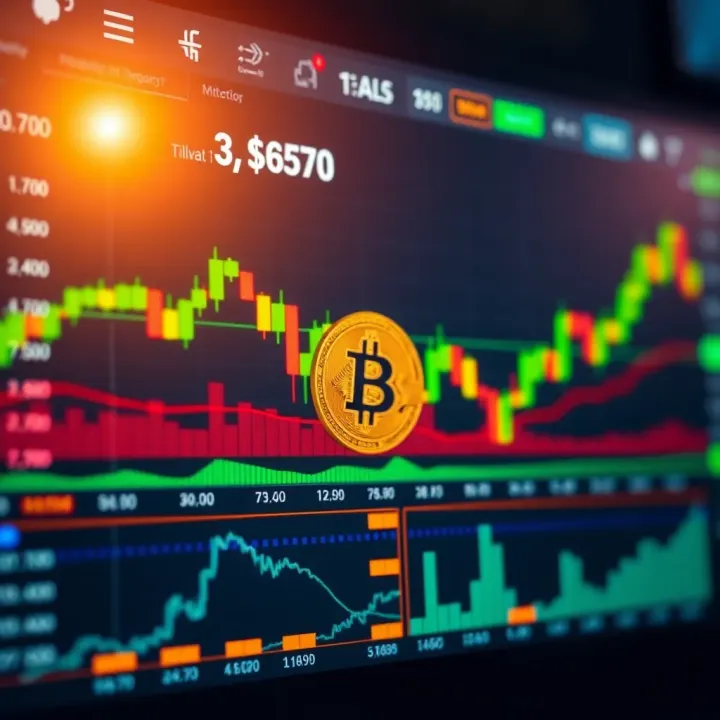
Successful crypto trading depends on making informed decisions, which charts and tools support. Platforms provide candlestick charts showing opening, closing, high, and low prices. Indicators like Moving Averages or Relative Strength Index (RSI) can highlight trends or signal overbought/oversold conditions.
For example, if Bitcoin's RSI shows a value above 70, it suggests an overbought market, hinting the price may drop soon. Traders use this to decide whether to sell or hold. Using these tools regularly helps you avoid emotional trades based on guesses or hype.
Managing your crypto portfolio smartly involves diversification, regular review, and risk control. Instead of putting all funds into one coin, spread investments across several cryptocurrencies to reduce risk. A portfolio with Bitcoin, Ethereum, and smaller tokens like Cardano balances potential growth and safety.
Keep track of your portfolio’s performance and adjust as needed. Avoid chasing every price spike; instead, focus on long-term trends. Setting stop-loss orders limits potential losses if a coin’s price falls sharply.
Start small and trade only what you can afford to lose. Crypto markets are volatile, and managing your risk is the simplest way to stay in the game.
Executing your first trades well sets the tone for your crypto journey. Remember, patience and discipline often beat rushing into trades based on excitement or rumours. Combine solid market understanding with smart use of tools, and you’re already ahead in the Nigerian crypto trading space.
Start your forex trading journey in Nigeria with this practical guide 📈. Learn how to pick brokers, open accounts, manage risks, and trade safely in ₦ easily.
Learn crypto trading in Nigeria with this clear guide 📈. Understand markets, pick platforms, master analysis, manage risk, and avoid common errors. Start today!
Explore top crypto trading platforms in Nigeria 🇳🇬. Learn about security, fees, user experience, and regulations to trade safely and smartly! 💹
🔍 Find the best crypto trading platforms in Nigeria! Explore fees, security, ease of use, local payment options, and regulations to trade smartly. ₦💰
Based on 7 reviews