
How to Learn Crypto Trading in Nigeria
Learn crypto trading in Nigeria with this clear guide 📈. Understand markets, pick platforms, master analysis, manage risk, and avoid common errors. Start today!
Edited By
Sophie Turner
Starting with crypto trading might seem tough at first, especially if you're trying to avoid costly courses. But learning how to trade cryptocurrencies without spending a dime is very much possible — you just need the right approach and reliable resources. This guide is for Nigerian beginners who want to kick off their crypto journey while keeping costs low.
The first step is understanding the basics of crypto trading. Learning concepts like blockchain, wallets, exchanges, bid-ask spreads, and trading pairs helps you make sense of price movements and market behaviour. For example, knowing how Binance or Luno works can prepare you for real trading on their platforms.
Next, explore free, trustworthy tools that Nigerians widely use. Platforms like Binance Academy, Coinbase Learn, or even YouTube channels hosted by Nigerian fintech experts offer solid content without charging anything. Some apps also come with demo accounts or paper trading features, like the ones on Binance and eToro, allowing you to practise trading without risking your money.
Practising safely means starting with simulated trades before moving to live trading. Try to avoid shiny tips or social media hype — the market can be volatile and emotional. Instead, take your time analysing charts and following news from reputable Nigerian crypto media like Nairametrics or TechCabal to stay sharp.
Beware of common mistakes many beginners make. For instance, some rush into buying coins without proper research, or fall for scams promising quick ₦-millions. Use two-factor authentication on your exchange accounts and keep your private keys secure. Also, watch out for pump-and-dump schemes often reported during ember months when trading volume surges.
Remember, patience is your best ally. Mistakes will happen, but learning from them gradually builds confidence and skill.
To track progress, keep a trading journal. Note down your trades, reasons for decisions, and results. Nigeria's exchange rates, naira fluctuations, and power supply issues can affect your timing and strategies, so take these local factors into account.
Before you begin, gather your NIN and Bank Verification Number (BVN), as most Nigerian exchanges require them for KYC. With the right mindset and free resources, you can start your crypto trading journey confidently and gradually build competence without parting with your hard-earned naira.
Before you begin crypto trading, understanding the basics of cryptocurrency and how trading works is essential. These fundamentals give you the confidence and context to make smarter decisions, avoid common pitfalls, and spot opportunities in a market that can be volatile and sometimes confusing. For example, knowing why Bitcoin’s price may jump suddenly helps you react properly instead of panicking or chasing losses.
Cryptocurrency is digital money secured by cryptography, which makes it hard to counterfeit. Unlike ordinary money issued by governments, cryptocurrencies like Bitcoin or Ethereum operate on decentralized networks called blockchains. These blockchains record all transactions transparently and permanently across thousands of computers worldwide. So, when you send ₦10,000 worth of Bitcoin to a friend, that transaction is verified by the network, recorded, and becomes part of the immutable ledger.
This decentralisation removes the need for banks or intermediaries, cutting costs and allowing anyone with internet access to participate. However, it also means no central authority regulates the currency, so risks and rewards lie with the trader.
Blockchain is the backbone of cryptocurrencies. Think of it as a chain of blocks where each block contains transaction records verified and linked to the previous block. This makes the blockchain highly secure and transparent. For a Nigerian user, the blockchain means you can verify your transactions anytime, reducing fraud risks often seen in cash-based systems or unregulated platforms.
Digital wallets store your crypto securely. There are two main types: hot wallets, connected to the internet for quick trading, and cold wallets, offline devices that offer better protection against hackers. If you want to try trading on platforms like Binance or Quidax, you'll need a hot wallet for convenience. But for resting funds, a cold wallet like a Ledger device helps keep your crypto safe from theft.
Exchanges like Binance, Luno, and BuyCoins act like marketplaces where you swap cryptocurrencies. Trading pairs indicate which currencies you can trade against each other—for instance, BTC/NGN means you can trade Bitcoin for Nigerian Naira. Understanding this helps you pick the right pairs to trade on, such as BTC/USDT for more global exposure or ETH/NGN for local dealings.
A market order buys or sells immediately at the best available price, useful when you want a quick trade in a fast-moving market. In contrast, a limit order lets you set the price at which you want to buy or sell, and the order executes only if the market hits that price. For example, if Bitcoin trades at ₦24 million but you want to buy at ₦22 million, placing a limit order helps so you don’t overpay in a volatile market.
The bid price is what buyers offer, while the ask price is what sellers want. The difference between them is the spread. On a Nigerian exchange, a narrow spread means you can buy and sell without losing too much to transaction costs. For instance, if Bitcoin’s bid is ₦24,000,000 and ask is ₦24,050,000, your spread is ₦50,000.
Volume shows how many coins are traded over a period, while liquidity describes how easily you can buy or sell without impacting the price. Higher liquidity means smoother trades. Popular pairs like BTC/USDT have high liquidity, unlike obscure altcoins where trading might be slow or prices jump sharply due to low volume.
Cryptos often swing in price rapidly. While this volatility offers chances to profit, it can also lead to losses if you overcommit. Nigerian traders must handle volatility carefully, perhaps starting small or practising on demo accounts. For instance, Bitcoin price could gain 10% one day and drop 8% the next. Knowing this prepares you emotionally and financially for the ups and downs.
Understanding these basics saves you from costly mistakes and sets a solid foundation as you explore crypto trading. Take your time with each concept—you’ll thank yourself before long.
Learning crypto trading properly starts with finding dependable, free resources that deliver clear, practical information. For Nigerian beginners, where access to costly courses may be limited and scams are rife, knowing where to turn for trustworthy content is crucial. Free resources provide a no-risk way to build foundational knowledge and develop trading skills before committing any money.
Several top websites offer free crypto trading courses designed for beginners. Platforms like Binance Academy, Coinbase Learn, and Investopedia provide step-by-step tutorials covering core areas such as market analysis, trading strategies, and risk management. These courses are especially useful because they combine theory with practical examples that resonate with new traders. For Nigerians, accessing these websites requires just an internet connection, no payment, and allows learning at your own pace.
YouTube channels focusing on Nigerian and international crypto markets are another goldmine. Channels run by Nigerian crypto experts break down complex topics in relatable terms, often addressing local market conditions and regulatory updates. Channels like CryptoTV.ng and NaijaCoin provide regular videos on market trends, coin reviews, and tutorials on using popular platforms like Luno and Binance. Comparing this to global channels such as DataDash and Coin Bureau enriches learning by exposing beginners to worldwide perspectives.
Blogs and newsletters complement course content by offering current, actionable insights. Following Nigerian-focused blogs such as Nairametrics Crypto and Crypto Sahara helps keep you updated on local events impacting crypto prices and regulations. Meanwhile, newsletters from global crypto analysts deliver daily market summaries and trade tips right to your inbox. These resources keep learning ongoing and grounded in real-world developments.
Joining Telegram and WhatsApp groups dedicated to Nigerian crypto traders connects you to peers who share tips, alerts on scams, and trading ideas. These groups often serve as safe spaces for beginners to ask questions and learn from more experienced traders without financial cost. However, verifying group credibility is essential to avoid misinformation.
Beyond local groups, platforms like Reddit and specialised crypto forums offer global perspectives and technical discussions. Subreddits such as r/CryptoCurrency and Bitcointalk.org Feature active communities where users post trading strategies and news. Engaging in these forums broadens your understanding and exposes you to diverse market opinions.
Finally, local meetups and online webinars organised by crypto communities or fintech hubs provide interactive learning experiences. Events hosted by Lagos Blockchain Week or crypto hubs like the Co-Creation Hub (CcHub) often include free webinars where experts discuss trading basics, security, and market trends. Attending these helps improve practical skills and networking, which are vital in the Nigerian crypto space.
Start with these free tools and communities; they create a solid foundation and lower your risk as you move to real trading.
Starting crypto trading without risking your money is a smart move, especially for beginners in Nigeria. It lets you build skills and confidence before handling real funds, which is vital in a market known for its price swings and unpredictability.
Demo accounts are offered by many online exchanges and trading platforms. These let you trade with fake money but live market conditions. For example, platforms like Binance and eToro have demo modes where you can buy and sell cryptocurrencies such as Bitcoin or Ethereum without spending a kobo. This hands-on practice helps you understand how orders work, how prices move, and familiarises you with the platform’s interface.
Trading simulators go a step further by allowing you to test various strategies safely. Since you’re not using real money, you can afford to make mistakes and learn without actual loss. This approach is especially helpful for Nigerians who want to avoid the temptation of jumping in unprepared, as demo accounts simulate the market’s volatility realistically.
Reading price charts is fundamental to trading. These charts show how a cryptocurrency’s price has moved over time, using lines, bars, or candlesticks. For example, a candlestick chart shows open, close, high, and low prices within a period, giving an immediate snapshot of market sentiment. Learning to interpret these charts helps you spot trends, which can guide your buy or sell decisions.
Understanding indicators complements chart reading. Indicators like the Relative Strength Index (RSI) or Moving Averages provide signals about potential price momentum or reversal points. Suppose the RSI shows an asset is "overbought," meaning prices might drop soon; this helps you decide when to exit a trade. These tools add depth to your analysis instead of relying on guesswork.
Paper trading strategies means recording your trades on paper or a spreadsheet before executing them live. It allows you to trial strategies without financial risk, track outcomes, and fine-tune your approach steadily. For instance, if you try a strategy of buying when the 50-day moving average crosses above the 200-day, paper trading helps you verify if it really works in the Nigerian crypto environment before investing actual naira.
Choosing between hot and cold wallets depends on your trading style and safety needs. Hot wallets connect to the internet and are more convenient for frequent trades but exposed to online threats. Cold wallets store coins offline, like hardware devices or paper wallets, greatly reducing hack risk. For a beginner starting small, a reputable hot wallet such as Trust Wallet or Binance Wallet is practical. But as you grow your portfolio, securing funds in a cold wallet like Ledger Nano is a wise step.
How to keep your investments safe is about disciplined security habits. Always enable two-factor authentication on your exchange and wallet accounts. Write down your private keys carefully and never share them; losing these keys means losing access to your funds. Be cautious of phishing scams pretending to be support services, particularly on social media or messaging apps popular in Nigeria. Regularly updating your device’s software also helps keep hackers at bay.
Starting with these practical, no-cost steps not only protects your capital but also sharpens your trading skills. The crypto market can be tough, but preparation and secure habits put you ahead of many naive traders.
In the next sections, we'll look at common mistakes you should avoid and how to stay updated with Nigerian and global crypto trends to improve your trading game.
Many Nigerians jump into crypto trading attracted by stories of quick profits, but several common mistakes often cut their journeys short. Understanding these pitfalls is key to developing resilience and making informed decisions rather than chasing luck. This section highlights practical issues to watch out for, so you avoid repeating errors that many beginners face.
Crypto scams are widespread, especially on social media platforms where fake influencers promise instant riches. Scammers often lure traders with unrealistic returns or insider tips. For example, a message on WhatsApp claiming to have a secret trading bot guaranteeing profits should raise red flags. Always verify information from trusted sources and avoid giving out your private keys or personal details. Nigerian traders should be particularly cautious of pump-and-dump schemes promoted in Telegram groups. Monitoring official exchanges like Binance or Luno Nigeria, and learning to spot phishing attempts, helps shield your funds.
Overtrading is a trap where traders buy or sell too frequently out of fear or greed, leading to losses due to transaction costs and poor timing. A typical scenario is chasing a coin price after a sudden rise, only to watch it crash shortly after. Emotional trading undermines strategy and discipline. Keeping calm and sticking to a trading plan avoids costly mistakes. For instance, setting entry and exit points before trading can help resist impulsive moves triggered by market noise, and using stop-loss orders limits losses.
Ignoring risk management is like driving without brakes; it’s only a matter of time before you crash. Many beginners risk too much on a single trade or fail to diversify their portfolio. Nigerian traders should consider how much they can afford to lose without affecting daily life—often no more than 1-2% of capital per trade. Using tools like stop-loss limits and position sizing helps control exposure. Also, understanding market volatility and avoiding trading during heavy news events reduces risk. Without solid risk management, even winning strategies can quickly turn sour.
Avoiding these mistakes is not about eliminating risk entirely—impossible in crypto trading—but about managing risks wisely and making decisions grounded in research and discipline.
By steering clear of scams, controlling emotions, and respecting risk management principles, you set a foundation for steady, sustainable growth rather than short-lived wins and heavy losses.
Cryptocurrency moves quickly, and the market changes daily—sometimes within hours. Staying on top of these changes is vital for any trader, especially beginners in Nigeria where local events and regulations can impact prices sharply. By monitoring the crypto market regularly and enhancing your trading knowledge, you position yourself to make informed decisions rather than guessing blindly.
News often drives crypto price swings. For example, announcements from the Central Bank of Nigeria (CBN) about digital currency policies, or global developments like regulatory updates in the United States or China, can send markets tumbling or soaring. As a Nigerian trader, keeping an eye on local sources like Nigerian newspapers and fintech news portals, alongside global crypto sites, helps you catch patterns early.
Use reliable apps or websites that offer real-time price alerts and market analysis. Follow Twitter accounts of credible crypto experts and participate in Nigerian crypto communities on Telegram for quick updates and perspectives. Ignoring news can leave you vulnerable to sudden drops or missed opportunities, so make it a daily habit.
Investing in paid crypto trading courses makes sense after you’ve absorbed the basics and tested your skills with free resources and demo trades. Paid courses can deepen your understanding with advanced strategies and personal mentorship, but they are an investment of both time and money—two things beginners should be cautious about.
When choosing a paid course, look for credentials like recognised certifications, transparent reviews from Nigerian participants, and instructors with proven trading experience. Avoid courses that promise guaranteed profits or use hype to sell. Instead, prioritise those providing hands-on practice, realistic case studies, and ongoing support.
Maintaining a trading journal is one of the best habits you can cultivate. Record every trade you make: entry and exit points, rationale behind the trade, market conditions, and emotions felt during the process. Over time, this record becomes a powerful tool to identify which strategies work and when you are making mistakes.
Besides the journal, review your wins and losses regularly to improve your approach. If you notice consistent mistakes, like exiting trades too early or chasing rising prices without analysis, adjust accordingly. Many successful Nigerian traders attribute their progress to this honest self-evaluation, which turns emotions into learning.
Tracking your trades and reflecting on them is not a luxury—it is the backbone of disciplined crypto trading. Without it, you run a high risk of repeating costly errors.
Developing a routine where you check markets, review news, make trades, and update your records daily or weekly sets you apart as a serious trader. This consistency builds both skill and confidence, preparing you to handle Nigeria’s sometimes volatile crypto environment.
In sum, staying informed, learning selectively through paid education, and keeping detailed trade records will sharpen your crypto trading skills. These practices make free learning sustainable and effective, increasing your chances of success over time.
Learn crypto trading in Nigeria with this clear guide 📈. Understand markets, pick platforms, master analysis, manage risk, and avoid common errors. Start today!
Explore top crypto trading platforms in Nigeria 🇳🇬. Learn about security, fees, user experience, and regulations to trade safely and smartly! 💹
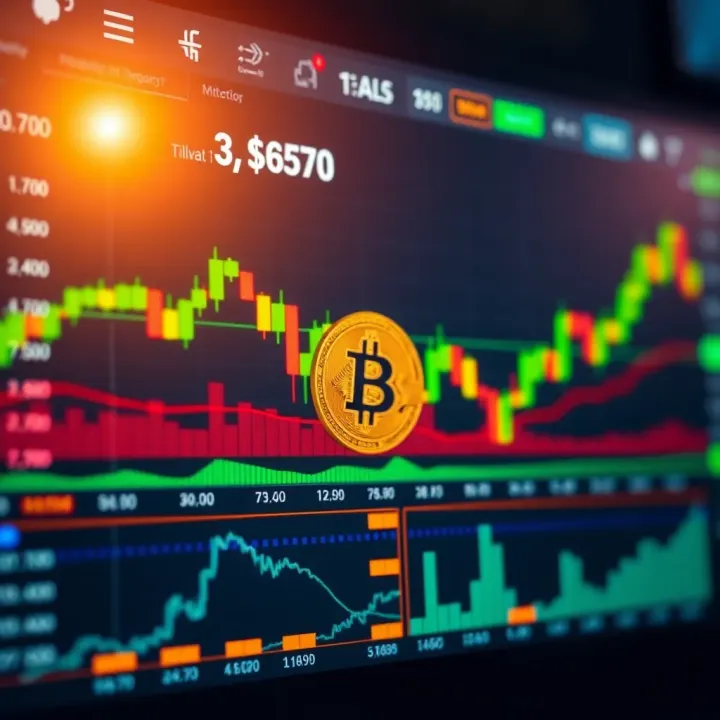
🔍 Find the best crypto trading platforms in Nigeria! Explore fees, security, ease of use, local payment options, and regulations to trade smartly. ₦💰
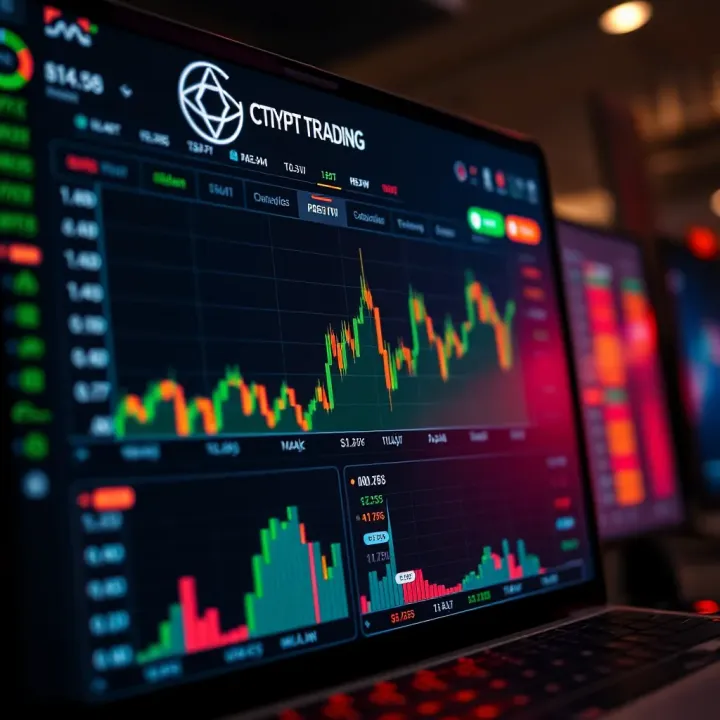
Explore top crypto trading bots for Nigerian traders 🚀 Find key features, risks, and tips to choose the bot that matches your style and goals safely 🛡️
Based on 12 reviews