
Effective Binary Trading Strategies for Nigerian Traders
💹 Learn practical binary trading strategies tailored for Nigerian traders to boost your ₦ gains, manage risks, and trade confidently amid Lagos traffic and ember months bustle.
Edited By
Daniel Foster
Binary trading has caught the attention of many Nigerians as a straightforward way to benefit from market price movements without the complications of owning assets outright. The appeal lies in its simple yes/no proposition: will the price of an asset go up or down within a set time frame? However, the simplicity often masks the risks involved, especially in a market where not all brokers operate fairly.
To make money with binary trading in Nigeria, you must understand the core concepts, choose trustworthy platforms, apply disciplined strategies, and manage your risk carefully. Unlike traditional stock trading, binary options demand quick decision-making, which can be both an advantage and a challenge.
Many get attracted by the promise of fast returns, but experience shows that success depends largely on preparation and realistic expectations. For example, picking assets widely known in Nigeria like the US dollar/naira pair, or global commodities such as oil, offers easier access to reliable data, which helps traders make informed predictions.
Success in binary trading comes down to mastering both market understanding and platform selection. Jumping in without knowledge is like riding an okada at night without a helmet – risky and unwise.
Before investing your money, it's wise to explore demo accounts offered by several brokers. These allow you to practise without risking your ₦. Also, look out for brokers regulated by recognised authorities, even if they’re foreign, as these have higher accountability standards.
Remember, binary trading is not some magic quick-money scheme. It involves tracking trends, analysing price movements, and understanding economic news that could impact markets. The next sections will guide you on how to spot reliable brokers, avoid scams, and develop practical trading strategies that suit the Nigerian financial environment.
Starting with a clear understanding, realistic goals, and disciplined risk management will put you on the right path towards earning from binary trading in Nigeria. Your roadmap to profit begins with solid groundwork.
Teaching yourself the basics of binary trading can save you a lot of trouble down the road, especially in Nigeria’s unique market environment. Understanding how binary options work gives you tools to make quick, informed decisions with limited capital. For Nigerian traders, this knowledge is practical — it helps you navigate local challenges like naira instability and limited access to international investment avenues.
Binary trading is accessible to many Nigerians because it doesn't require owning the underlying asset. Instead, you predict the direction of price movement within a short timeframe. Grasping this upfront saves you from common pitfalls and unrealistic expectations.
Binary trading involves predicting whether the price of an asset will rise or fall before the option expires. You place a bet on "yes" or "no"—for example, whether the price of Nigerian oil exports will be higher in 30 minutes. If you guess right, you earn a fixed payout; if you guess wrong, you lose the invested amount. This “all or nothing” structure makes it simple to understand.
Unlike stocks or forex where your profit depends on magnitude of price change, binary options offer fixed returns regardless of how much the asset moves. This means no partial gains but also limits losses to your investment amount. For Nigerian traders with small capital, this defines clear risk boundaries without needing technical expertise to calculate profit margins.
Popular assets include global currencies such as USD/NGN, commodities like crude oil and gold, and major international indices. Nigerians often trade USD/NGN pairs due to constant naira fluctuations. Crude oil options are popular, reflecting Nigeria’s reliance on oil export revenues and global price volatility.
This is the simplest format where you bet if the asset price will be higher or lower than the current price at expiry. It's relevant because it mirrors common market speculation. For instance, betting that the price of Brent crude will be higher after the next OPEC meeting.
Here, you predict whether the price will touch a specific level before expiration (one-touch) or not touch it (no-touch). This suits traders expecting sharp price moves, perhaps after a major economic announcement from Nigeria or abroad. It demands a bit more experience but can bring higher returns.
With range options, you predict whether the asset price will stay within a predefined range by expiry. It fits situations where the market is steady or sideways, like during stable government policy periods. Nigerians use this option when expecting little naira volatility during banking holidays or forex windows.
Understanding these types and how they fit your expectations and market conditions is key to making consistent profits in binary trading within Nigeria.
By recognising binary trading's straightforward structure and localised asset relevance, Nigerian traders can better plan their steps. This foundation sets the stage for picking the best brokers, perfecting strategies, and managing risks effectively.
Choosing the right binary trading platform is a key step for Nigerian traders aiming to turn profits without falling into common traps. The platform you pick determines how secure your funds are, how smooth your transactions will run, and how well you can access tools and support. Given the range of options available — from local to international brokers — being selective matters.
Regulation by a credible authority, such as the Securities and Exchange Commission (SEC) Nigeria or reputable international bodies like the Financial Conduct Authority (FCA) in the UK, serves as a guardrail for traders. When a broker is regulated, it means they meet specific standards meant to protect your funds, ensure fair trading practices, and provide transparency. For example, regulated brokers are required to keep client money in segregated accounts, reducing the risk of misappropriation.
From a practical standpoint, trading with a regulated platform offers you a safety net. If issues arise — say the broker freezes withdrawals — you may have recourse through the regulatory body. It also discourages unscrupulous operators who otherwise might disappear with clients’ funds.
In contrast, unregulated platforms pose significant risks. Many Nigerian traders have fallen victim to scams where these brokers manipulate prices or refuse withdrawals outright. Without regulation, there is no official oversight or investor protection, which can lead to total loss of capital. Some unregulated brokers may offer tempting bonuses or guaranteed returns, but these are often red flags.
Ease of deposit and withdrawal in ₦ is crucial for smooth trading. Platforms that support direct naira deposits and withdrawals save you from costly currency conversions and delays with international bank transfers. For example, a broker that allows payments via Nigerian banks or popular fintech apps like OPay or Paystack offers clear convenience, especially amid frequent naira exchange rate fluctuations.
Mobile app availability has become essential, considering how many Nigerians rely on smartphones for financial activities. A good trading app lets you open or close trades anytime, monitor markets, and receive real-time alerts. This flexibility is advantageous in volatile markets, where timing can affect profitability.
Customer support responsiveness plays a practical role beyond just technical help. Prompt, clear communication can prevent missed trades or misunderstandings that cost money. A reliable broker often offers multi-channel support—live chat, phone, email—with staff familiar with Nigerian trading conditions and payment issues.
Finally, trading tools and educational resources are valuable, especially if you are new to binary options. Features like live charts, volatility indicators, and trend analysis help you make informed decisions. Additionally, platforms offering tutorials or webinars tailored for Nigerian traders can boost your skill set as you engage with the market.
Always prioritise trading platforms that combine regulation, local currency support, and quality user experience. This approach will help you trade confidently while minimising risks unique to the Nigerian market.
Profiting from binary trading in Nigeria demands more than guesswork. Effective strategies combine market knowledge, risk control, and constant learning. For Nigerian traders, this means tuning into both global market signals and local economic factors like naira fluctuations, then applying disciplined money management and practice.
Using charts and indicators is a cornerstone for predicting price movements. Traders monitor patterns such as candlestick formations, support and resistance levels, and use technical indicators like the Relative Strength Index (RSI) or Moving Averages to forecast whether an asset's price will rise or fall within a set period. For example, if the RSI shows an asset is oversold, a trader might expect a price bounce, signalling a potential profitable high/low option trade.
Nigerian markets are affected by naira exchange rate swings, which alter the cost and demand of underlying assets. For instance, a weakening naira against the US dollar typically raises the price of imported goods and stocks with foreign currency exposure. Binary options linked to forex pairs or commodities can change direction sharply when the naira fluctuates, so understanding these dynamics helps traders anticipate price shifts and time trades wisely.
Setting realistic trade sizes is key for long-term success. Nigerian traders should avoid risking large portions of their capital on single trades. A good rule of thumb is to risk only 1–5% of trading capital per trade. For example, with ₦100,000 capital, a trade size of ₦2,000 ensures losses won't significantly damage your overall fund, allowing you to stay in the game longer.
Stop-loss orders and profit targets help lock in gains and limit losses. Although binary options don’t offer traditional stop-loss tools, similar discipline applies by setting clear exit goals. For example, deciding to exit after three consecutive losses or securing profits when a specific percentage return is reached helps maintain steady growth and prevents emotional decisions.
Practice trading on demo accounts gives Nigerian traders a safe space to learn without financial risk. Using virtual funds, traders can test strategies, familiarise themselves with platform features, and build confidence. This hands-on experience often reveals nuances overlooked in theory, like reaction times to market news or the impact of asset volatility.
Several platforms accessible to Nigerians, such as IQ Option or Pocket Option, offer free demo accounts. These allow traders to simulate real market conditions using naira-based interfaces or currency conversions. Starting with these demos prevents premature losses and improves skill before committing real ₦.
Developing effective strategies is not an overnight process; consistent application and adjustment to Nigerian market realities will enhance your chances of earning steadily through binary trading.
By focusing on technical analysis tailored for Nigeria, managing risk carefully, and practising beforehand, Nigerian traders position themselves for more thoughtful and potentially profitable binary trading experiences.
Managing risk well is fundamental to succeeding with binary trading in Nigeria. This type of trading involves fixed payouts but also fixed losses, so knowing how to avoid common traps can protect your hard-earned money. Mistakes or scams can wipe out your gains, and unlike more traditional investments, binary options don’t offer much room for error. Understanding risks helps you trade smarter rather than just hoping for luck.
Binary trading scams remain a significant problem in Nigeria. Common red flags include promises of guaranteed returns, unsolicited calls or messages urging urgent deposits, and brokers that push large sums quickly without clear information. For example, a typical scammer might claim they can multiply your ₦50,000 into ₦500,000 within days with no risk. Such claims defy realistic market behaviour and should raise suspicion immediately.
Another usual trick is the use of unregulated platforms that disappear once you try withdrawing profits. Nigerian traders often fall prey to brokers without proper registration or those operating illegally. These brokers lack licence from the Securities and Exchange Commission (SEC) Nigeria or reputable international bodies.
To verify broker legitimacy, always check if the platform is registered with SEC Nigeria or recognised international regulators like the Financial Conduct Authority (FCA). Registered brokers publish their licence numbers on their websites, but don’t rely on their word alone; cross-check with the SEC or the regulator’s public listings. Legitimate brokers also offer transparent terms on deposits, withdrawals, and fees. If customer service responds poorly or avoids key questions, it’s a strong indication of trouble.
Binary trading should never be your sole source of income. It's a high-risk activity prone to volatility, and depending fully on it can jeopardise your financial stability. Imagine relying entirely on trading to pay your rent or school fees; a few bad trades could cause serious hardship. Many successful Nigerian traders treat binary trading as a supplementary income while holding regular jobs or running businesses.
Planning for volatility and losses is vital. Prices can move unexpectedly due to unforeseen events like foreign exchange rate swings or geopolitical news affecting commodities. Setting aside a budget for trading that you can afford to lose protects your core finances. A trader might decide to invest only ₦20,000 monthly and avoid risking more even if tempted. Having clear exit strategies and stop limits can prevent emotional decisions during volatile phases.
Balancing caution with ambition enables Nigerian traders to grow steadily, avoiding the common pitfall of overexposure in binary trading.
Being aware of scams and maintaining financial discipline ensures your journey in binary trading remains sustainable and rewarding over time. Always pair your trading efforts with sound risk management and continue learning to sharpen your edge.
Trading binary options in Nigeria requires a clear understanding of the legal and tax landscape to avoid complications. Knowing the roles of regulatory bodies and your tax responsibilities helps protect your investments and ensures you stay on the right side of the law.
The Securities and Exchange Commission (SEC) is Nigeria’s main capital market regulator. Its role includes overseeing securities trading and protecting investors from fraudulent activities. Since binary options combine elements of investing and betting, SEC’s regulations guide how brokers and platforms operate legitimately in Nigeria. Without proper regulation, traders risk falling prey to scams or unlicensed operators.
For example, SEC Nigeria has issued warnings about unapproved brokers and platforms offering binary options. Traders should look for brokers registered with SEC or recognised international bodies. This registration means the broker must meet certain standards around transparency, fund security, and customer protection.
Compliance also extends to both brokers and traders. Brokers must follow rules on client fund segregation, fair trading practices, and regular reporting to SEC. For traders, compliance means only dealing with regulated platforms and understanding local restrictions. For instance, some brokers might limit Nigerian users due to national laws or capital controls.
The Federal Inland Revenue Service (FIRS) treats income from trading activities—including binary options—as taxable. Profits from successful trades are considered part of your personal or business income, so tax must be paid according to prevailing laws. Traders who ignore this risk penalties and back taxes.
Practical experience shows many Nigerian traders overlook tax on trading profits, which can lead to trouble during tax assessments. It's advisable to classify your trading earnings correctly when filing tax returns to align with FIRS guidelines.
Filing and record-keeping become crucial for traders. Maintain detailed records of all transactions, including trade dates, amounts invested, profits, and losses. These records make it easier to calculate taxable income and provide evidence if FIRS requests verification.
Some traders find using dedicated spreadsheets or accounting software helpful. You can organise your trades month-by-month to track performance and prepare returns accurately. Proper record-keeping also assists if you apply for loans or credit since financial institutions often require proof of income.
Staying informed about legal and tax matters strengthens your position as a binary options trader in Nigeria. Compliance safeguards your investments and helps avoid unexpected financial burdens down the line.
In summary, proper attention to SEC regulations and FIRS tax obligations turns uncertain trading ventures into more structured and secure activities that can flourish in Nigeria's dynamic markets.
💹 Learn practical binary trading strategies tailored for Nigerian traders to boost your ₦ gains, manage risks, and trade confidently amid Lagos traffic and ember months bustle.
Explore how binary trading platforms work in Nigeria 🇳🇬, learn risks and rewards, spot legit options, and trade smartly to protect your ₦ investment 📊
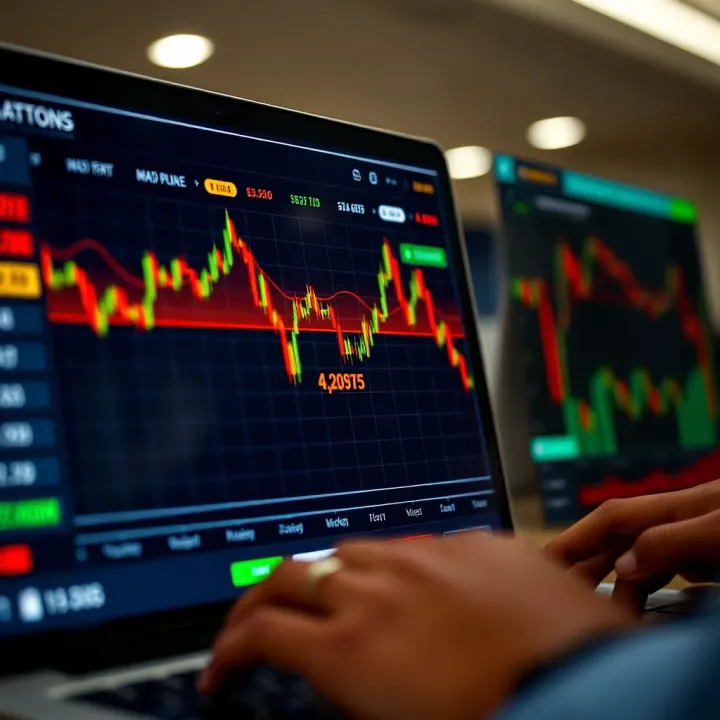
🚀 Discover how binary options trading works in Nigeria 🇳🇬, learn key risks, payment methods, and how to dodge common scams for safer ₦ trading profits.
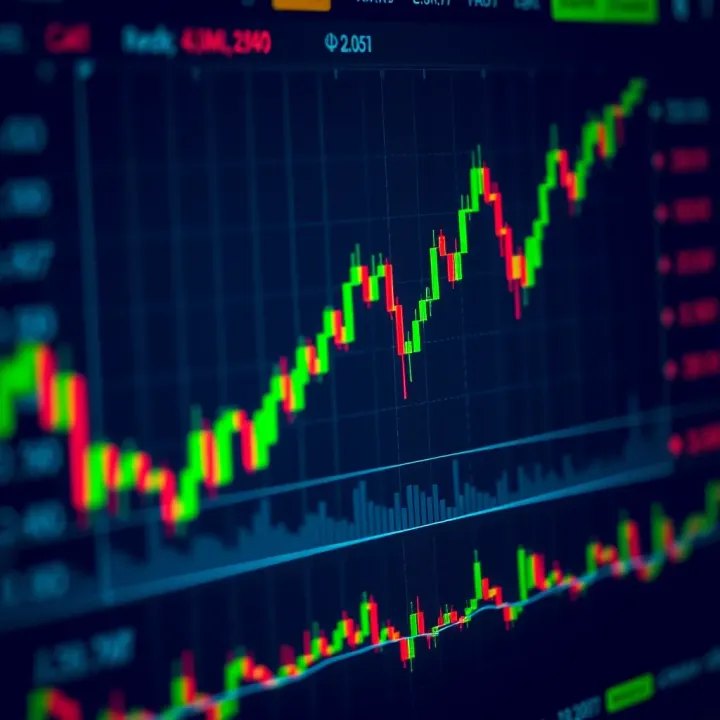
📈 Discover how Nigerian investors can use binary options to predict market moves, understand risks, spot scams, and make informed trades safely in Nigeria's financial scene.
Based on 15 reviews