
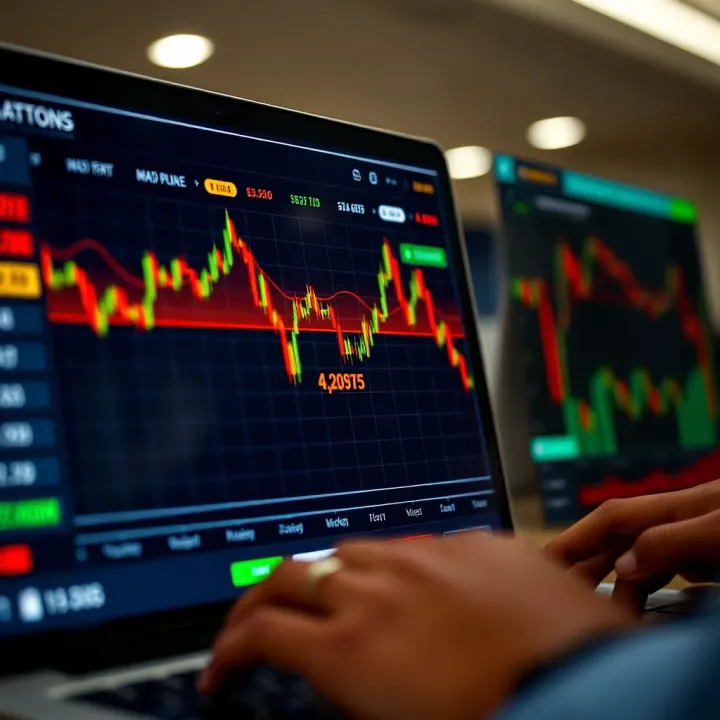
Binary Options Trading in Nigeria: Key Facts
🚀 Discover how binary options trading works in Nigeria 🇳🇬, learn key risks, payment methods, and how to dodge common scams for safer ₦ trading profits.
Edited By
Oliver Bennett
Binary trading platforms have grown popular among Nigerian investors looking to diversify their portfolios with concise, predictable trades. These platforms specialise in binary options—simple yes-or-no bets on market movements within a fixed time. Unlike owning stocks or currencies, binary trading doesn't grant asset ownership but offers a quick way to speculate on price directions.
At its core, you predict if an asset like oil, gold, or the NSE All-Share Index will rise or fall by a specific expiry time. If your prediction holds true, you earn a predetermined payout; if not, you lose your stake. For example, you might bet ₦10,000 that Brent crude oil prices will close higher in the next hour. If they do, you could get ₦18,000 back (your initial ₦10,000 plus ₦8,000 profit).
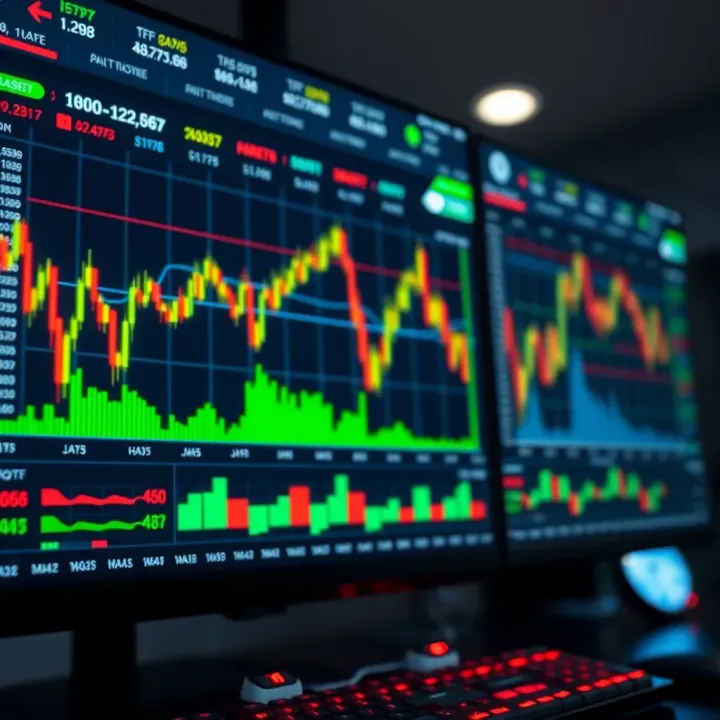
These platforms have clear, user-friendly interfaces, showing payouts upfront and expiry timers to help you plan trades. However, they're not without risks. The all-or-nothing setup means a single wrong prediction wipes your investment for that trade. Lagos-based traders must also be mindful of unregulated platforms that could be scams or offer unfair terms.
Binary trading is high-risk but with defined potential returns, suiting those seeking short-term exposure rather than long haul investment.
To navigate safely, Nigerian investors should:
Check if the platform follows the Nigerian Securities and Exchange Commission (SEC) rules or other recognised regulators
Avoid platforms demanding excessive personal data without clear privacy policies
Start with modest amounts to test the waters before scaling
Understanding how payouts, asset choices, and expiry times work will boost your chances of making informed trades. Keep in mind volatility in global markets affects asset prices sharply, impacting binary option outcomes.
With practical knowledge and caution, binary trading platforms can become tools in your broader investing strategy—not quick fixes but potential complements to traditional investing methods.
Binary trading involves betting on whether the price of an asset will rise or fall within a set time. Nigerian investors looking to diversify their portfolio find these platforms compelling due to their simple structure and quick trade execution. Understanding what binary trading platforms are and how they work is vital to making smarter investment decisions and avoiding losing hard-earned naira on shady sites.
Binary options are straightforward contracts. You predict if an asset—like Nigerian equities, foreign currencies, or commodities—will move up or down by a specific expiry time. If your call is correct, you get a fixed payout; if wrong, you lose your stake. This all-or-nothing outcome appeals to traders who prefer simplicity over the complexity of traditional trading.
Each trade has a predefined expiry: it could be as short as a minute or as long as a few hours. Before placing a trade, you decide your investment amount and the asset to trade. For example, you might bet ₦5,000 that the price of GBP/USD will be above a certain level in 15 minutes. The platform then locks in your trade, and you wait until expiry to see the outcome. This fixed timeline helps traders manage risk better.
Unlike regular trading, binary options only have two results: win or lose. If your prediction holds true, you typically receive about 70% to 90% profit on your investment. If the asset moves the opposite way, you lose your initial stake. This clarity helps new traders focus without worrying about complex calculations or margin calls.
A good binary trading platform lets you place orders quickly and reliably. You select your asset, expiry time, investment size, and predict price movement—all with a few clicks or taps. Order execution happens instantly, ensuring your trade reflects current market conditions. For instance, platforms like IQ Option and Binomo provide smooth order flow that Nigerian traders find easy to navigate.
Platforms designed with clean interfaces and intuitive layouts improve user confidence. Mobile compatibility is a must since many Nigerian traders rely on smartphones due to power outages limiting desktop use. A well-designed dashboard will show real-time charts, open trades, and history in a way that does not overwhelm beginners.
Binary platforms cover a wide range of assets such as forex pairs (USD/NGN, EUR/USD), stocks (MTN Nigeria, Dangote Cement), commodities (crude oil, gold), and indices (NGX All-Share Index). Expanding your options lets you exploit different market opportunities. Be sure the platform you choose features the assets you know or want to explore for better trading prospects.
Knowing how binary platforms work and what features to expect helps Nigerian investors trade wisely and avoid costly mistakes in a fast-moving market.
Choosing a dependable binary trading platform matters greatly for Nigerian investors. The right platform not only simplifies trading but also boosts your chances to make informed decisions with minimum hassle. Key features like user-friendly design, readily available tools, and solid security are essential to protect your money and data while giving you a smooth trading experience.
Good platforms cater to both desktop and mobile users. Since many Nigerians rely on smartphones for financial activities, a mobile-friendly interface is vital. For instance, platforms like IQ Option and Olymp Trade offer apps that run smoothly on Android and iOS, allowing you to trade while commuting on an okada or during breaks. Desktop versions, on the other hand, provide detailed charts and analytics for those who prefer trading at home or office.
Navigating open trades, expiry times, and asset selection should be straightforward. Platforms with clumsy layouts tend to confuse beginners, leading to costly mistakes. Clear menus and quick access to popular assets like forex, commodities, or indices make your trading flow effortless. For instance, simple search bars and filter options help you quickly spot bitcoin binary options or oil price contracts without digging through multiple screens.
Reliable platforms equip traders with live price charts and technical indicators such as Moving Averages or RSI (Relative Strength Index). Such tools let you read market trends better, helping to time your trades more accurately. This is vital in Nigeria’s volatile economic environment, where commodity prices can shift swiftly due to geopolitical events or local factors.
Top platforms offer tutorials, webinars, or articles that explain trading strategies and key terms. Beginners, especially students or new investors, benefit from step-by-step guides on binary options, risk management, and platform navigation. This educational support prepares you to avoid common mistakes and improves your confidence before investing real naira.
Access to updated market data – including prices, news, and economic calendars – allows you to react promptly to market shifts. For example, if the Central Bank of Nigeria (CBN) adjusts the monetary policy rate, having instant alerts on your platform can help you decide whether to buy or sell related assets, such as banking stocks or currency pairs.
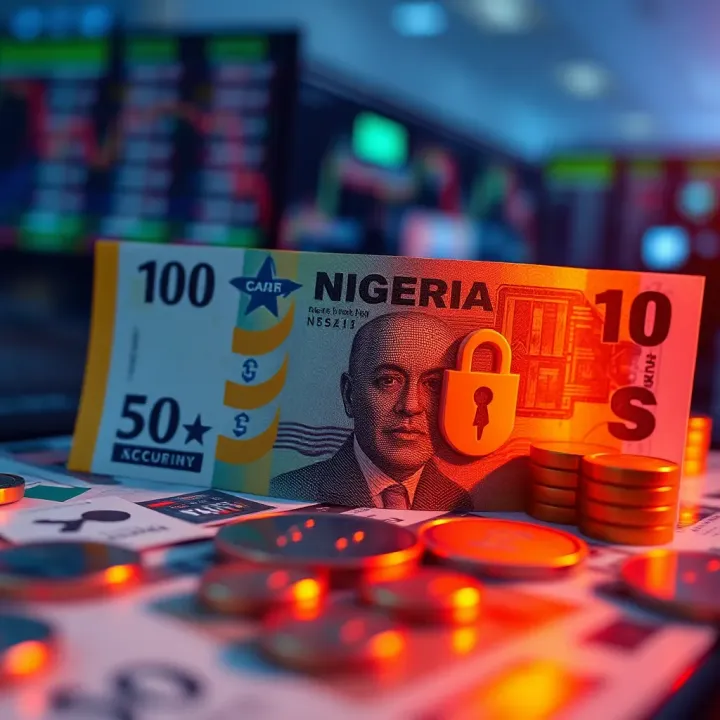
Leading binary trading platforms use strong encryption protocols (like SSL) to secure your data during transmission. This means your personal details and financial transactions are protected against hackers, an important consideration given the rise in cybercrime targeting Nigerian fintech users.
Platforms should deploy multiple layers of fraud prevention, including anti-money laundering (AML) checks and automated activity monitoring. These measures reduce risks of scammy transactions and protect your funds from suspicious interference. For example, platforms regulated by bodies like SEC Nigeria generally have better anti-fraud protocols than unlicensed services.
Reliable platforms require thorough identity checks before allowing trades or withdrawals. Verifying your Bank Verification Number (BVN), National Identification Number (NIN), or passport details helps reduce fake accounts and fraud attempts. Although it may feel slow initially, this process safeguards your investments, ensuring you trade in a trustworthy environment.
Reliable binary platforms marry convenience with security. Nigerian investors should prioritise platforms that are easy to use, provide useful trading aids, and have robust protection for data and funds.
These features make trading binary options not just possible but safer and smarter for individuals navigating the Nigerian market.
Before diving into binary trading, Nigerian investors must carefully weigh the benefits against the risks. Understanding both sides helps traders make informed choices that align with their financial goals and risk appetite. This section breaks down the main advantages and dangers associated with these platforms.
Binary trading offers a straightforward structure that appeals to many Nigerians, especially those new to financial markets. Trades revolve around a simple ‘yes’ or ‘no’ decision—whether an asset’s price will rise or fall within a specified time. This eliminates complex calculations or lengthy analysis, making it easy for traders to start quickly.
In practice, the process is fast; decisions and results happen within minutes or even seconds. For example, a trader in Lagos can place a wager on the price movement of oil or forex and see an outcome within an hour. This speed suits those balancing trading with daily routines or looking to avoid long-term market exposure.
Binary options can offer attractive returns in a short period. Some platforms advertise payouts as high as 80-90% for correct predictions. In Nigeria’s high-inflation environment, the allure of fast profits is quite appealing, especially for traders who don’t want their capital locked in for days or weeks.
However, it’s key to remember these returns come with equally quick risks of loss. Yet, for those who use sound strategies, such as capitalising on short-term market trends in foreign exchange or commodities relevant to Nigeria’s economy, there’s potential to grow ₦ investment relatively fast.
Many binary platforms accept minimum deposits as low as ₦5,000 to ₦10,000, making trading accessible to a wide Nigerian audience. This entry point means you don’t need large startup capital, unlike some traditional investments or stock trading that might require thousands of naira upfront.
This affordability encourages more people, including fresh graduates or artisans, to try trading as a side hustle. It also lets traders manage risk by testing strategies with small amounts before committing bigger funds.
While quick wins are possible, binary trading is high-risk by nature. You either win a fixed amount or lose your entire stake; there’s no middle ground. This all-or-nothing setup can lead to swift capital depletion if trades don’t go your way.
For example, during volatile ember months when global markets react sharply to economic news or political events, unexpected price swings can cause frequent losses. Traders must accept that losses might be rapid and substantial.
Nigeria’s rapidly growing fintech space has attracted illegitimate operators. Some binary trading platforms have misled users with false promises of guaranteed profits or delayed withdrawals. There was a case where a Lagos-based trader found their withdrawal requests ignored after making consistent profits, a red flag for a scam.
To avoid falling victim, Nigerian traders should verify platform licences, check reviews, and use reputable payment channels like Paystack or Flutterwave whenever possible.
Binary options markets are susceptible to sudden volatility that’s sometimes artificially induced. Due to the short expiry periods, malicious actors might manipulate asset prices to trigger losses on binary trades, siphoning funds from unsuspecting traders.
This risk is particularly relevant for less regulated platforms with weak oversight. Nigerian investors need to watch out for suspicious price movements and trade on platforms with transparent pricing and strong regulatory compliance.
Balancing the benefits and risks involves vigilance, sound money management, and choosing platforms with a good reputation. Nigerian investors who approach binary trading with caution stand a better chance of protecting their ₦ investment and possibly earning returns.
Weigh these elements well before placing your bets. Trading binary options can be tempting for fast gains but must be handled with an understanding of its hazards in the Nigerian context.
Navigating the legal framework around binary trading is essential to protect your investment and avoid running into trouble with the authorities. In Nigeria, this landscape helps define what platforms are trustworthy and ensures traders don’t fall victim to fraudsters promising easy money.
The Securities and Exchange Commission (SEC) Nigeria and the Central Bank of Nigeria (CBN) are the main regulatory bodies overseeing binary trading. SEC Nigeria monitors investment platforms to ensure they comply with rules protecting investors, including binary trading sites. At the same time, CBN supervises payment systems and foreign exchange rules that affect how Nigerians fund their trading accounts.
For example, SEC Nigeria’s role means only platforms with the proper licence can legally offer binary trading services, helping to weed out unregulated operators. CBN’s involvement ensures that transactions, especially cross-border payments often required in binary trading, follow Nigeria’s financial regulations.
Current regulations on binary trading remain somewhat limited, creating a challenge in fully policing the sector. However, SEC Nigeria has issued warnings against unregistered investment schemes, which often include dubious binary trading operations. Traders should therefore seek platforms registered or recognised by SEC Nigeria to stay on the right side of the law.
Licensing is a key factor that separates legitimate trading platforms from scams. In Nigeria, a platform must have SEC approval to operate legally, particularly if it solicits funds from Nigerian investors. Without this licence, the platform operates outside the law, exposing traders to significant risks.
For instance, a binary trading platform lacking SEC's licence might suddenly disappear or refuse to pay traders their earnings. To avoid this, always demand proof of licensing and cross-check it with SEC’s public registry.
Nigerian authorities have also introduced measures to protect traders, such as mandatory account verification involving Bank Verification Number (BVN) checks and Know Your Customer (KYC) procedures. These steps help reduce fraud and money laundering risks.
Moreover, platforms authorised in Nigeria are expected to adhere to data protection standards and provide clear terms of service. This transparency helps traders understand their rights and what to expect, which is crucial in an industry known for rapid trade execution and potential volatility.
Staying informed about regulatory developments ensures you trade binary options safely while safeguarding your ₦ investment from unscrupulous platforms.
In summary, the regulatory and legal landscape in Nigeria sets the framework within which binary trading platforms must operate. Observing these rules is key for traders who want to protect themselves and trade wisely in this fast-moving market.
Choosing a reliable binary trading platform matters immensely for Nigerian investors. The wrong choice can lead to lost funds, subpar user experience, or even scams. On the flip side, a trustworthy platform offers fair terms, transparent fees, and solid support — all crucial for managing your investments confidently.
Checking user reviews and feedback is practical for gauging a platform’s credibility. Traders often share their experiences regarding payouts, platform glitches, and withdrawal processes. For example, on forums or app stores, platforms with consistent positive ratings signal reliability, while repeated complaints about delays or blocked accounts serve as red flags. However, it’s wise to look beyond star ratings and read detailed comments for context, especially from Nigerian users who understand local nuances.
Industry recognition can hint at a platform’s standing in the financial world. Awards or endorsements from respected fintech bodies or financial expos give some assurance about compliance and professionalism. For instance, a platform recognised by Nigeria’s fintech community or winning an innovation award in Lagos might be more trustworthy than one without any visible credentials. Still, don’t rely solely on awards; complement this with other checks.
Binary trading platforms vary in how they charge fees. Some deduct a commission on each trade, while others build it into payout rates. Nigerian traders need to compare these structures because high commissions can erode gains quickly. For instance, a platform charging 5% per trade versus one with 2% will have noticeably different effects over multiple trades. Being clear on these charges helps you pick a platform where the cost structure fits your trading style.
Transparency means the platform openly states payout rates, withdrawal limits, and processing times. Platforms that hide these details or use complex jargon may be hiding unfavourable terms. For Nigerian traders, platforms that clearly communicate, for example, a 70% payout rate on successful options and next-day withdrawal approvals help set the right expectations and build trust.
Demo accounts give you hands-on experience without risking your money. This trial lets you understand the interface, the available assets, and how trades execute. Nigerian traders should use this feature to test if the platform matches their comfort level, especially since some platforms may have complicated navigation or slow order execution which can cost real money later.
Customer service is a lifeline when problems arise. Responsive support teams that answer queries fast via chat, email, or phone reduce stress and prevent loss. If a platform ignores your queries during the demo phase, chances are it won’t be helpful when real money is involved. In Nigeria, where internet connection can be patchy, prompt support can make or break the trading experience.
Selecting the right binary trading platform comes down to reputation, clear fees, trusted payment terms, and reliable support—things you can discover through reviews, demo testing, and real user reports. This careful approach helps protect your ₦ investment from needless risks.
Trading binary options in Nigeria demands careful attention to safety practices. Given the fast-paced nature of this market and the risks involved, a set of practical tips can help Nigerian traders protect their capital and make informed decisions. This section focuses on hands-on strategies and precautions that both new and experienced investors should consider.
One of the simplest but most effective ways to manage risk in binary trading is by setting limits on the amount you are willing to invest per trade or per day. For example, if you allocate ₦20,000 daily for binary trades, sticking strictly to this cap can prevent heavy losses in volatile situations. Setting stop-loss limits or daily caps helps cushion your portfolio from sudden market swings and ensures you don't chase losses impulsively.
Put all your eggs in different baskets—this classic advice applies here too. Diversifying by trading different assets like forex pairs, commodities such as oil or gold, and indices reduces the risk linked to any single market's movement. If a trader in Lagos, for instance, focuses only on the oil market, a sudden price drop can wipe out gains fast. But by spreading trades across sectors, the negative impact on one can be balanced by positive moves in another.
Fraudulent platforms are a real threat in Nigeria’s binary trading scene. Always verify if the platform is licensed by either the Securities and Exchange Commission (SEC) Nigeria or other recognised international security bodies. Unlicensed platforms often promise quick profits but delay or deny withdrawals, leaving traders stranded. A practical check is reading user reviews and consulting financial experts before committing funds.
No legitimate binary trading platform guarantees profits as markets are inherently unpredictable. Beware of schemes that assure a 100% return or risk-free profit. Scammers target unsuspecting investors with such promises, leading to total losses. Genuine platforms emphasise risk disclosures and provide educational resources rather than unrealistic guarantees.
Always approach binary trading with a healthy dose of scepticism, especially when offers sound too good to be true.
For Nigerians, seamless payment is crucial. Platforms that integrate trusted fintech services like Paystack, Flutterwave, or OPay simplify deposits and withdrawals. These fintechs offer secure, quick transactions often linked to local banks and mobile wallets, reducing reliance on traditional banks only. This setup lowers barriers for traders and reduces exposure to currency volatility or transfer delays.
Transaction fees can quickly eat into profits, especially for frequent traders. Choosing binary trading platforms that allow transfers with minimal or no charges through local payment gateways is essential. Also, using USSD codes or direct bank transfers with low charges helps reduce overall expenses. For example, a trader using Flutterwave may save on service fees compared to international card payments.
Employing these practical tips will help Nigerian binary traders guard their investments and trade more confidently in the markets.
🚀 Discover how binary options trading works in Nigeria 🇳🇬, learn key risks, payment methods, and how to dodge common scams for safer ₦ trading profits.
📈 Discover how Nigerian investors can use binary options to predict market moves, understand risks, spot scams, and make informed trades safely in Nigeria's financial scene.
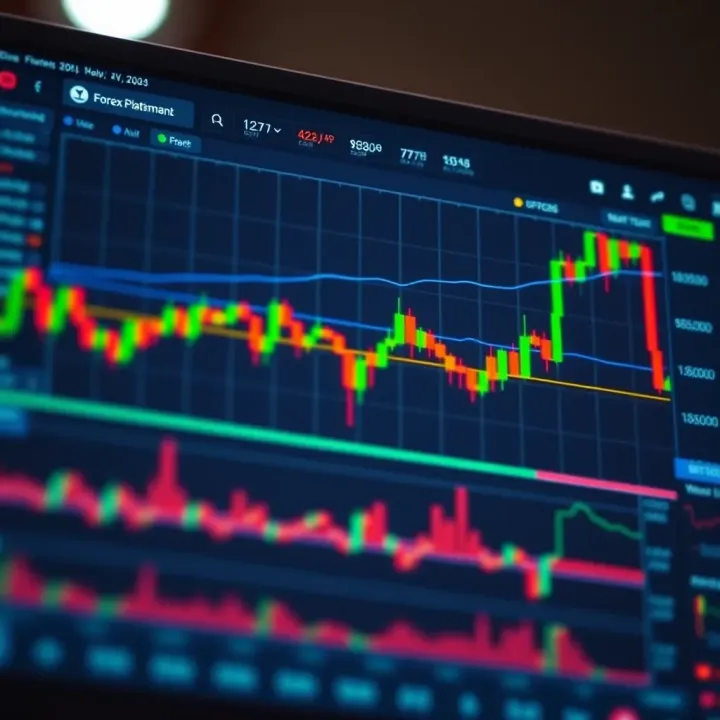
Explore top forex trading platforms for Nigerians 🇳🇬, learn local payment options, regulations, and handy tips to trade smartly and secure your ₦ profits safely 📈💱
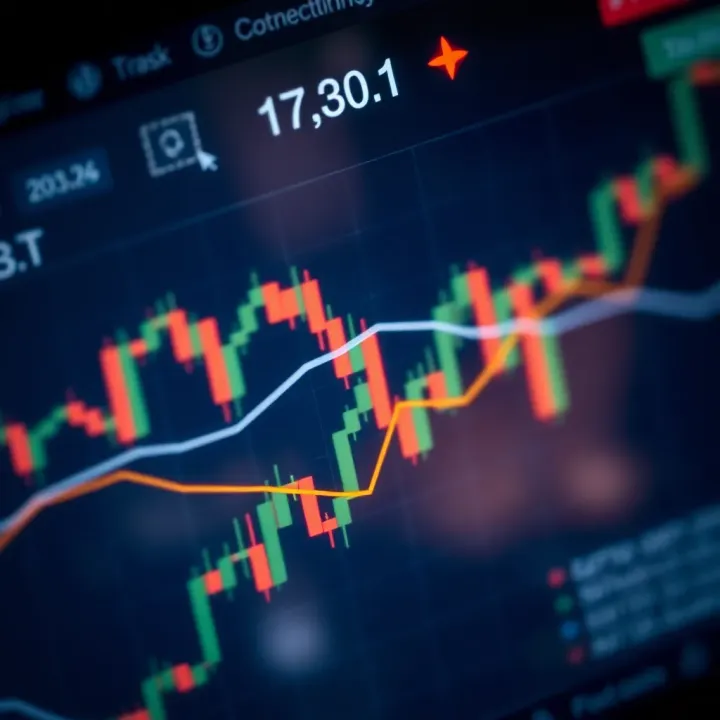
📊 Learn how binary options indicators claim 95% accuracy in Nigeria's market, their reliability, risks, and tips for effective trading strategies. 💡
Based on 12 reviews