

Effective Binary Options Trading Strategies for Nigerian Traders
Learn practical and clear strategies for trading binary options in Nigeria 🇳🇬. Discover risk management, key concepts, and tips to boost your trading success 📈.
Edited By
Liam Foster
Binary options trading has become increasingly popular among Nigerian investors seeking quick returns. However, success in this market demands more than luck; it requires smart strategies tailored to local realities. Unlike traditional trading, binary options are straightforward—predict whether an asset’s price will rise or fall within a set timeframe. Still, that simplicity can be deceptive without a sound approach.
Nigerian traders often face challenges such as fluctuating internet quality, limited access to sophisticated tools, and concerns around platform reliability. This article aims to equip you with practical strategies to navigate these hurdles confidently while maximising your ₦profits.

Successful binary options trading depends on understanding market patterns, managing risks effectively, and choosing trustworthy platforms — especially in the Nigerian context where variability in infrastructure and regulations exists.
To get you started on the right foot, we’ll explore key trading techniques, risk management methods applicable to Nigerian market conditions, and tips for selecting platforms that ensure your money and data remain secure. Keep in mind that consistent research and disciplined execution are essential to convert these strategies into tangible gains.
In the following sections, you’ll find actionable advice backed by real examples, helping you elevate your trading game beyond guesswork. Whether you’re a student learning the ropes or an investor expanding your portfolio, the strategies here cut across experience levels and market knowledge.
Grasping what binary options trading entails is key for any trader looking to make steady gains in Nigeria’s market. Since binary options are a simplified financial instrument, understanding their mechanics helps you avoid common pitfalls and trade with better confidence. Unlike traditional markets where profits depend on the extent of price movement, binary options offer fixed outcomes, which can be easier to manage — especially if you're starting out.
At its core, a binary option is a type of contract where you predict whether an asset’s price will be above or below a set level at a specific future time. If your prediction is right, you receive a predetermined payout; if wrong, you lose the amount you staked. The name "binary" reflects the two possible results: win or lose.
This straightforward approach attracts many Nigerian traders who want exposure to global markets without dealing with complex calculations or owning the underlying assets. For example, you might place a binary option bet on whether the price of crude oil will be higher at 3 pm than it was at 2 pm. The outcome is clear and instant.
Binary options stand apart from traditional trading because they don’t require you to own shares, currencies, or commodities. Instead, you focus purely on price direction within a timeframe. This limits exposure to market swings and eliminates concerns about dividends, margin calls, or overnight funding costs, which often complicate conventional trading.
Binary options typically let you choose between call and put options. Selecting a call means you expect the asset’s price to rise above the strike price by expiry, while a put predicts it will fall below. These choices make it easy to engage with markets like forex, stocks, and commodities without deeper technical skills.
Expiry times range widely — from minutes to hours or days — giving traders flexibility to match their strategies or market outlook. Nigerian traders interested in short-term opportunities may opt for 5-minute expiries to capitalise on rapid market moves, while others prefer longer periods for steadier analysis.
Payout structures are generally fixed. For example, a successful trade might return 70% profit on your stake, whereas a loss results in the full stake being forfeited. Understanding these payout ratios upfront helps traders manage expectations and calculate potential returns with clarity.
Knowing the common terms improves your ability to navigate platforms and strategies. The strike price is the exact price level that determines whether your binary option finishes in-the-money or out-of-the-money. It serves as the benchmark for your prediction.
Expiration refers to the moment your binary option contract ends. It’s critical to plan around this timing since your prediction is evaluated precisely at expiry.
Payout is the fixed return you earn if your prediction is correct. For instance, if you stake ₦10,000 on a trade with a 75% payout, you'll receive ₦17,500 if successful — your initial stake plus ₦7,500 profit.
Underlying assets vary widely. Traders in Nigeria often focus on popular assets like the Nigerian Stock Exchange (NGX) indices, forex pairs such as USD/NGN, crude oil, gold, and global stocks like Apple or Tesla. Choosing assets you understand or follow regularly improves decision-making, especially during volatile periods.
Getting familiar with these basics sets a solid groundwork for trading, letting you focus on strategy rather than wrestling with confusing terms or unpredictable outcomes.
Understanding binary options thoroughly can spare you costly errors and enhance your odds of consistent profits in Nigeria’s growing trading scene.
In Nigeria’s growing financial market, having clear strategies for binary options trading is vital. These strategies help you navigate the rapid price movements and uncertain environment. By using proven trading methods, you increase your chances of making consistent profits while managing risks effectively. Here are the most common strategies Nigerian traders rely on.
Identifying market trends involves spotting whether an asset’s price is generally moving up, down, or sideways over a period. In binary options, this is important because following the trend raises the likelihood of winning trades. For example, if the naira-dollar exchange rate is steadily rising due to strong forex policies, placing ‘call’ options aligned with this trend works better than guessing a reversal.
Traders use tools like moving averages or trend lines to confirm these movements. Watching for ‘higher highs’ and ‘higher lows’ can signal an uptrend, while ‘lower highs’ and ‘lower lows’ show a downtrend. Recognising these signs quickly is practical in Nigeria’s volatile markets to avoid being on the wrong side of a trade.
Timing entries and exits under the trend following strategy can be tricky but crucial. The best moment to enter a trade is when the trend confirms sustenance, avoiding early or late guesses. For instance, a trader might wait for a brief price dip before entering a call option during an overall uptrend.
Exit timing in binary options is fixed by expiry times, but understanding when to enter is key. Erring here causes unnecessary losses. Nigerian traders often align these with market sessions such as London or New York when volatility peaks, offering better price movements to follow trends.

Using support and resistance levels means identifying price points where assets often bounce back or face selling pressure. In Nigeria, these levels can be influenced by economic calendars or market sentiments, such as NGX index reactions to political developments.
Support acts like a floor preventing prices from falling lower, while resistance is the ceiling stopping prices from going higher. Pinpointing these helps traders predict likely price reversals or pauses.
Trading within price boundaries lets traders capitalise on periods when prices fluctuate between support and resistance without breaking out. For example, if the price of crude oil remains between $60 and $70 for days, placing binary options betting on prices not breaching these zones within expiry can yield steady returns.
This method works well in Nigerian markets during stable phases. However, traders must watch for breakouts signaling trend changes and avoid trades during such periods.
Impact of economic announcements in Nigeria can be very strong. Events like the Central Bank of Nigeria’s (CBN) monetary policy decisions, inflation reports, or fuel subsidy updates often trigger big price swings.
Savvy binary options traders watch these announcements closely and place trades accordingly. For instance, a surprise hike in interest rates might cause the naira to strengthen momentarily, favouring call options on relevant assets.
Caution with volatility is essential because news releases can cause sharp, unpredictable price moves. While these provide profit chances, they also increase risk. Entering trades without clear signals or overtrading during such times can cause losses.
Nigerian traders should use smaller trade sizes and avoid chasing after quick reversals immediately following announcements. Waiting for the dust to settle or combining news strategies with technical analysis often yields better results.
Remember, no single strategy guarantees success. The best traders adapt these approaches to Nigeria’s unique market conditions and refine them through practice and discipline.
Managing risks effectively is vital for anyone trading binary options in Nigeria. The market moves fast and can be unpredictable, so having a solid risk management plan keeps your investments safe and your losses manageable. Many traders jump in without a plan and end up losing their capital quickly. Understanding how to set budgets, control exits, and avoid dishonest platforms helps you stay in the game longer and trade smarter.
Deciding your risk capital means choosing an amount of money you can afford to lose without it affecting your daily life or expenses. For instance, if you have ₦100,000 saved for trading, decide on a fraction of that — say ₦10,000 — as your risk capital. This helps stop you from chasing losses or staking money you need for essentials.
Avoiding overtrading is about resisting the urge to make too many trades in a short period. Overtrading drains your capital quickly and leads to poor decisions. For example, if your strategy calls for three trades a day, sticking to this number rather than trading endlessly keeps your focus sharp and reduces impulsive losses.
Defining exit points means setting a clear plan for when to close a trade to either limit losses or lock in profits. This is crucial because emotions can cloud judgement during live trading. Say you invest ₦5,000 on a binary option; deciding to close at a ₦1,000 loss or ₦2,000 gain keeps you disciplined and prevents reckless gambling.
Protecting your investment through these exit limits safeguards your capital and builds sustainable trading habits. Even if one trade goes wrong, well-defined stop-loss measures prevent a total wipeout. This practical control over risk ensures you stay afloat to catch better opportunities without unnecessary emotional stress.
Recognising red flags helps you steer clear of fake brokers and schemes common in Nigeria's growing trading scene. Red flags include unrealistic promises of high returns with low risk, lack of transparent contact details, or pressure to deposit quickly. For instance, a broker offering 500% returns in a day is almost certainly dodgy and best avoided.
Verifying broker licences is a non-negotiable step before depositing funds. Always check if the broker is registered with respected bodies like the Securities and Exchange Commission (SEC) Nigeria or other recognised international regulators. Verification means the platform should adhere to some level of oversight, reducing the risk of fraud or unethical practices. Nigerian traders benefit from platforms that allow naira transactions and have clear regulatory backing.
Successful binary options trading in Nigeria hinges not just on picking the right asset but on careful risk control, clear budgeting, and trusting only regulated platforms. These steps reduce unnecessary losses and boost your chances of long-term gains.
Selecting the right binary options platform is foundational to trading success in Nigeria. A reliable platform not only facilitates seamless trading but also ensures security, swift transactions, and access to necessary tools. The Nigerian trading space is growing fast, and picking a platform that suits your needs can make a big difference between consistent profits and avoidable losses.
A clear and simple user interface matters especially for Nigerian traders who are often juggling trading alongside other commitments. Platforms like IQ Option and Olymp Trade provide intuitive layouts that make it easy to spot assets, understand expiry times, and execute trades without confusion. When the platform is easy to navigate, you reduce the risk of mistakes like placing trades on the wrong expiry, which can cost you money unnecessarily.
The mobile experience is equally important, given that many traders in Nigeria rely on smartphones. The platform’s app should load quickly even on average internet speeds common across many parts of Nigeria. Practical features such as one-tap trading and clear chart displays help traders act fast when market conditions change.
A broad selection of assets gives you flexibility to apply different strategies and diversify your portfolio. Look for platforms offering popular currency pairs like USD/NGN or EUR/USD, stocks like Dangote Cement or MTN Nigeria, and commodities such as gold. This variety allows you to pick assets aligned with your market knowledge or trends you spot in the news.
Expiry options also matter. Some platforms limit choices to a few fixed intervals, while others provide expiry times from as short as 60 seconds to several hours or days. For a Nigerian trader balancing volatile markets like crude oil prices or forex fluctuations with personal schedules, having multiple expiry windows offers more control over risk and reward.
It’s practical to fund your trading account directly with naira (₦) rather than dealing with conversions to dollars or euros. Platforms supporting local payment methods such as bank transfers, USSD* codes, and popular e-wallets simplify deposits. For example, using GTBank’s internet banking or payment through Opay ensures quick, straightforward funding without hidden forex charges.
Dealing in naira also helps you keep track of your trading capital accurately, avoiding surprises from currency fluctuations. Reliable platforms usually update exchange rates fairly and display balances clearly in naira, making it easier to plan your trading budget.
A swift withdrawal process is crucial, especially when markets turn profitable and you want your funds in hand fast. Leading platforms offer withdrawals to Nigerian banks within 24 to 48 hours, avoiding long delays common with some international brokers.
Paying attention to withdrawal fees is also necessary; some platforms charge high fees or have minimum withdrawal thresholds that may trap your funds. Opt for platforms that are transparent about these costs and offer multiple withdrawal channels like direct bank deposit or transfers to mobile money wallets.
Good customer support goes beyond having an email address. Nigerian traders benefit from platforms offering live chat, WhatsApp support, or dedicated phone lines for quick problem resolution. Responsive support helps ease technical hitches, billing issues, or questions about trade execution, preventing frustration that can lead to costly mistakes.
Beyond accessibility, support in English and understanding of local trading conditions make interactions more effective. Choose platforms that invest in multilingual or locally knowledgeable teams.
Even the best strategies are hard to implement without solid knowledge. Top platforms provide beginner-friendly educational resources like video tutorials, webinars, and trading guides tailored to the binary options market.
For Nigerian traders, having access to these materials means they can learn at their own pace and build confidence before committing real money. Platforms like ExpertOption and Binomo often offer regular updates on market trends and trading tips relevant to Nigerian markets, bridging the gap between theory and practical application.
A wise choice of platform can protect your funds, sharpen your trading edge, and speed up your path to profitability in Nigeria's binary options scene.
Choosing your platform carefully, with these practical factors in mind, will set you up for smoother and more successful trading ahead.
Starting out in binary options trading in Nigeria can be daunting, especially with the volatility and risks involved. However, following key tips can considerably improve a beginner's chances of success. These tips guide novices in developing practical skills, building emotional control, and staying updated with market conditions—essentials for trading confidently and securely. Each piece fits into the bigger picture of smart risk management and informed decision-making.
Importance of practice trading: A demo account lets beginners trade binary options using virtual money, providing a risk-free way to understand market movements and platform features. It’s like learning to drive on empty roads before taking on Lagos traffic. Practicing strategies on demo accounts helps sharpen timing and decision-making without risking real capital.
Transitioning to real money: Moving from demo to real funds requires discipline. Beginners should start with small amounts to manage risk and gradually increase their stakes as confidence and experience grow. Sudden jumps to large sums can lead to heavy losses and frustration. For example, starting with ₦5,000 and slowly scaling up allows adaptation to the pressure and real emotions involved.
Avoiding impulse trades: Emotional impulses often push traders to enter or exit trades hastily, causing preventable losses. Beginners must learn to follow their strategies strictly, resisting the urge to chase quick wins or recover losses impulsively. A trader who closes a put option early just because of a sudden panic misses out on a potential return.
Dealing with losses calmly: Losses are part of trading, especially in volatile markets like Nigeria’s. Accepting losses without getting overwhelmed prevents rash decisions and burnout. Keeping a trading journal to track wins and losses objectively can help traders view setbacks as learning steps rather than failures.
Following financial news relevant to Nigeria: Regularly tracking news such as CBN policy changes, naira exchange rates, or power supply updates can give traders an edge. For instance, knowing about a fuel subsidy removal ahead of time helps anticipate market reactions and adjust trades accordingly.
Adjusting strategy accordingly: Market conditions change frequently, influenced by local and global events. Traders should modify their approaches rather than sticking rigidly to one plan. If inflation figures spike or international oil prices fluctuate, adapting expiry times or asset choices can help optimise outcomes.
Starting with demo accounts, managing emotions, and staying informed are practical cornerstones in navigating binary options trading. They help beginners move beyond guesswork to structured, confident trading in Nigeria’s dynamic markets.
Learn practical and clear strategies for trading binary options in Nigeria 🇳🇬. Discover risk management, key concepts, and tips to boost your trading success 📈.

💹 Learn practical binary trading strategies tailored for Nigerian traders to boost your ₦ gains, manage risks, and trade confidently amid Lagos traffic and ember months bustle.
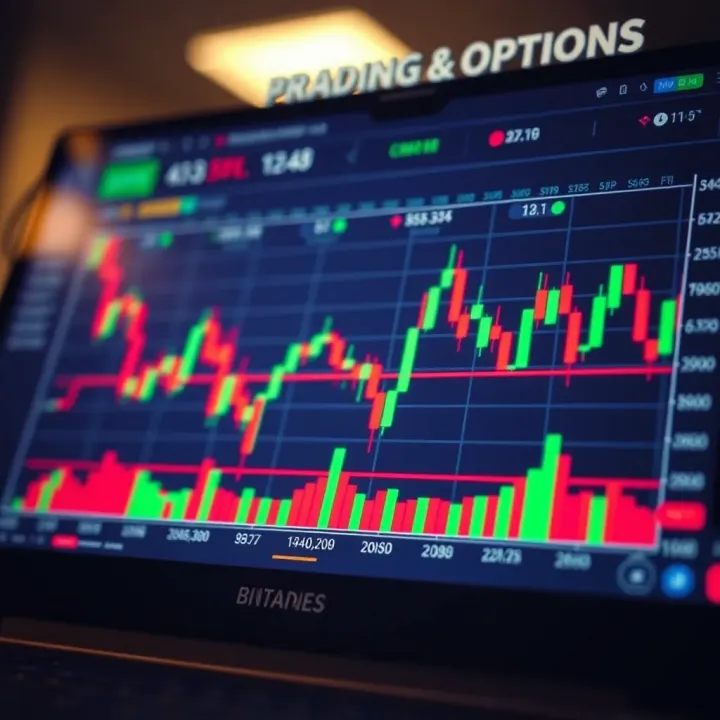
📈 Learn practical strategies to trade binary options like a pro. Manage risks, avoid common errors, and make informed moves in Nigeria’s market for better profits.

🚀 Discover how binary options trading works in Nigeria 🇳🇬, learn key risks, payment methods, and how to dodge common scams for safer ₦ trading profits.
Based on 8 reviews