
Best Forex Trading in Nigeria: Practical Tips
🌍 Discover practical tips for forex trading in Nigeria! Learn how to pick trusted brokers, understand local rules, avoid mistakes, and sharpen your skills.
Edited By
George Mitchell
For Nigerian traders stepping into forex trading, logging into your trading account is the very first step that sets the tone for your entire trading experience. Whether you use platforms like MetaTrader 4 (MT4), MetaTrader 5 (MT5), or popular Nigerian brokers' web portals, the login process must be straightforward, secure, and reliable.
Many traders underestimate the importance of understanding how to manage their forex trading login properly. Yet, this is the doorway to your funds, personal data, and trading tools. Failure to log in securely or addressing login challenges promptly can expose you to risks such as hacking, phishing scams, or accidental loss of access.
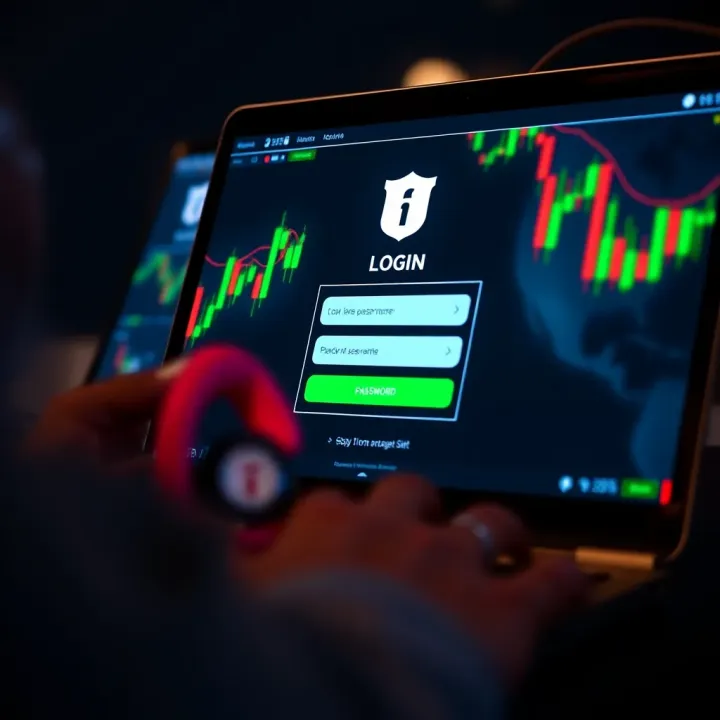
Here’s a practical view on what you need to know right away:
Secure Access: Always use official platforms or broker websites. Avoid clicking on links from unknown sources; phishing attempts are common in Nigeria’s online trading space.
Login Credentials: Your username and password are sensitive keys. Pick a strong password mixing letters, numbers, and symbols. Change passwords regularly, especially after ember months when cyber attacks tend to spike.
Two-Factor Authentication (2FA): Many Nigerian brokers now offer 2FA, which adds an extra layer of protection. Enable it where available to minimise the risk of unauthorised access.
Mobile and Desktop Logins: Forex brokers often have dedicated mobile apps alongside desktop platforms. Some traders prefer mobile for quick trades on the go, while others like desktop for detailed analysis. Ensure you use secure internet connections in both cases.
Always double-check that you’re on the right site or app before entering your login details. If you spot unusual activity or access problems, contact your broker immediately.
Getting familiar with your login methods and safeguards not only protects your investments but also builds confidence as you trade. Next, we will explore common login issues Nigerian traders face and effective solutions to keep hassle at bay.
A clear grasp of what forex trading login means and why it matters will save Nigerian traders time and avoid costly mistakes. Your login acts as the gateway to your trading account, where you manage your funds, place trades, and monitor the market. Without a proper understanding, you risk exposing your account to hackers or locking yourself out just when the market moves.
Forex trading login is the specific set of credentials — usually a username and password — that allows a trader to enter their forex broker’s platform. Think of it like the key to your bank safe deposit box, but in digital form. Its main purpose is to confirm your identity and give you exclusive access to your trading tools and funds.
Once logged in, you can see your trading dashboard, check real-time rates, execute buy or sell orders, and manage your portfolio. Without this access, you cannot interact with the forex market. For example, traders using MetaTrader 4 or MT5 apps need to log in using the credentials provided by their brokers before making any trades or withdrawals. The login process ensures that only you control your account, which is particularly important when managing substantial funds or leveraging trades.
Having a weak or compromised login exposes you to serious risks. Fraudsters in Nigeria and beyond have been known to infiltrate accounts, sometimes wiping out balances. Once an attacker gets your login details, they can place unauthorised trades, drain your funds, or steal your identity for other scams. In a market as volatile as forex, one moment of carelessness can cause huge financial loss.
Your forex login links to your bank accounts and personal data. Besides safeguarding your money, a secure login keeps your information private, preventing identity theft or data breaches. For instance, using strong and unique passwords, avoiding public Wi-Fi when logging in, and enabling two-factor authentication can drastically reduce the risk of your data getting into the wrong hands. Nigerian traders must treat their login credentials like cash — guarded carefully and never shared.
Remember, your forex login is more than just a password; it is your frontline defence in the complex and often risky world of trading. Protect it well to trade confidently and securely.
Getting into your forex trading account online is the first practical step Nigerians must master to begin trading smoothly. This process involves registering with a broker, setting up secure login credentials, and learning how to log in through web or mobile platforms. Doing these right means you avoid frustration, prevent security risks, and access the market anytime without hassle.
The starting point is picking a broker with proper regulation. For Nigerian traders, brokers recognised by the Securities and Exchange Commission (SEC) Nigeria or regulated by credible international bodies like the Financial Conduct Authority (FCA) in the UK or the Cyprus Securities and Exchange Commission (CySEC) offer a safer trading environment. These brokers adhere to standards that protect your funds and personal information.
A regulated broker also provides transparent pricing and fair trading conditions. For example, reputable brokers such as FXTM, Alpari, or HotForex, who operate under these regulations, ensure you’re less likely to encounter unethical practices or sudden account freezes.
After choosing your broker, you create your login credentials. Your username often is your email address, which makes it easy to remember and manage notifications. When setting your password, it’s key to use something unique — a mix of letters, numbers, and symbols — to keep your account secure against hacking.
Avoid simple passwords like “password123” or your birthday. Instead, consider phrases easy for you but hard for others to guess, such as a combination of favourite foods and numbers. Using a reliable password manager can also help you keep track of these details without risk.
Once registered, you’ll usually access your account through the broker’s website or a dedicated mobile app. These platforms have dashboards where you monitor trades, check balances, and place orders. Nigerian traders appreciate platforms with clear layouts, quick load times despite sometimes slow internet, and features like real-time price charts.
For example, MetaTrader 4 and 5, widely used in Nigeria, offer user-friendly interfaces for beginners while supporting advanced tools for pros. Knowing how to navigate the platform quickly can save you when market opportunities come and go fast.
Security during login is just as critical. Connecting to your trading account over a private, secure Wi-Fi network at home is safer than public networks found in cafes or malls, where hackers may try to intercept your details. If you must use public Wi-Fi, consider activating a Virtual Private Network (VPN) to encrypt your data and shield your login credentials.
Also, avoid saving passwords directly on your browser or apps, especially on shared devices. Logging out properly at the end of each session reduces risks. Nigerian traders who take these precautions have less chance of falling victim to phishing scams or account breaches, saving them both time and money down the line.
Consistent and careful access to your forex trading account lays the foundation for both secure and successful trading. Getting the registration and login steps right is not just technical but smart trading practice.
By following these practical steps, Nigerian traders avoid common pitfalls and prepare themselves for a smooth trading experience that respects both security and convenience.
Navigating forex trading platforms can become tricky when login problems arise, especially for Nigerian traders relying on smooth access to manage their investments effectively. Understanding common login hitches and how to resolve them saves time and protects your funds from unnecessary risks. Addressing issues like password troubles, login failures, and account lockouts ensures that you stay connected to the market without interruptions.
Forgotten passwords are a leading cause of login frustration. Most brokers provide a clear process to reset passwords quickly. Usually, you'll find a "Forgot Password" link on the login page. Clicking this generally prompts you to enter your registered email address or phone number. After submission, the broker sends a reset link or a code, allowing you to create a new password. It's best to choose a strong, unique password once more to keep your account secure.
Verifying your identity is a crucial step during account recovery. Brokers need to confirm you are the legitimate owner before allowing password changes. This might involve answering secret questions, confirming BVN (Bank Verification Number) details, or submitting identification documents. For instance, some platforms require a scanned national ID or a selfie holding a valid photo ID. This practice combats fraud and protects your funds from unauthorised access.
Login failures may result from browser or device incompatibility. Not all forex platforms work seamlessly across every technology. For example, some brokers optimise their systems for Google Chrome or Firefox, making Internet Explorer or older mobile browsers less reliable. Always keep your browser updated and clear cache or cookies regularly to avoid page loading issues or failed authentications. Trying another device or switching between the mobile app and web portal can also help pinpoint the problem.
Account lockouts typically happen after multiple unsuccessful login attempts. This security measure prevents brute force attacks but can frustrate users. If your account gets locked, most brokers set cooldown timers ranging from 15 minutes to a few hours before you can retry. Some require you to contact customer support directly to unlock the account. To avoid this, ensure your login details are correct before attempting multiple times, and consider setting up features like two-factor authentication as added protection.
Quick tip: Always keep your broker’s customer support contacts handy. Responsive support can be lifesaving when you face login blocks or need urgent account recovery.
By knowing these common issues and fixes, Nigerian traders can reduce downtime, protect their accounts, and maintain steady participation in the forex market.
Securing your forex trading login is not just a good habit—it’s a necessity. Nigerian traders deal with sensitive financial info daily, and weak login security can open doors for fraudsters. Protecting your login details helps avoid unwanted losses, identity theft, and trading disruptions. Given the rising sophistication of cyber scams, understanding practical ways to safeguard your account is essential.
Creating a strong password is the first defence against unauthorised access. A good password combines uppercase and lowercase letters, numbers, and special characters. Avoid obvious choices like your name, birthdate, or ‘123456’. For example, a password such as “Jollof2024!$” is noticeably stronger than just “jollof” or “2024”. Make sure each trading platform account has a unique password to prevent a ripple effect if one gets compromised.
Password best practices also include regularly updating your credentials, especially after any suspicious activity. Reusing passwords across multiple platforms is risky because a breach in one system could expose your forex account. So, always treat your trading passwords like your ATM PIN or BVN – don’t share or write them down openly.
Password managers can save you from the headache of remembering dozens of complex passwords. Applications like LastPass or 1Password safely store your login details in encrypted vaults accessible only by a master password. For instance, rather than jotting down passwords on your phone or PC, using a manager cuts down the chance of accidental leaks. Password managers also generate random strong passwords, helping you keep every account tightly secured.
Two-factor authentication (2FA) adds an extra shield beyond your password. Once enabled, logging in requires a second step, usually a code sent via SMS or through an authentication app like Google Authenticator. This means even if someone guesses or steals your password, they can't access your account without the second verification.
Setting up 2FA on your forex trading platform is straightforward but makes a huge difference. Many brokers support this feature, so check your account security settings and activate it immediately. It’s like having a second lock on your front door—double protection.
Recognising phishing attempts is also critical. Fraudsters often send fake emails or create unreliable websites imitating brokers, asking you to confirm login details or passwords. Nigerian traders should stay alert for misspelled URLs, unsolicited messages, or urgent demands to change credentials. Always verify messages by contacting your broker directly through official channels before clicking any links.
Keeping your forex login secure isn’t about paranoia but smart caution. Using strong, unique passwords along with two-factor authentication and a good eye for phishing helps you protect your funds and peace of mind.
These steps might seem small, but they often stop the biggest headaches for traders in Nigeria’s dynamic forex environment.
Choosing the right forex trading platform is a major factor in managing your trading account effectively. For Nigerian traders, the login process and platform features can make or break the overall experience. Reliable platforms provide not only smooth access but also layers of security and versatile functions that fit Nigeria’s unique trading environment. Let’s look at some of the popular platforms and how their login features benefit Nigerian users.
MetaTrader 4 and 5 remain the most popular forex platforms for many Nigerian traders due to their proven track record and ease of use. MetaTrader 4 (MT4) offers a simple, straightforward login system that allows quick access through desktop, mobile, or web interfaces. Its two-factor authentication option is a huge advantage, giving users peace of mind amid cyber risks common in the country. MT5, the newer version, builds on MT4 with more advanced tools and a slightly improved login flow, including faster server response times crucial during volatile market hours.
The practical relevance of these platforms is evident nationwide, with many brokers in Nigeria supporting MT4 and MT5 by default. The platforms' support for local payment options through brokers adds convenience, allowing traders to fund accounts or withdraw earnings smoothly once logged in. This integration creates a seamless cycle from login to trade execution, very important when Nigerian traders are battling intermittent power and internet issues.
cTrader and proprietary broker apps are growing in appeal among Nigerian traders seeking more versatility or a different user experience. cTrader boasts an intuitive login procedure similar to MetaTrader but with enhanced charting and order management tools. Brokers offering cTrader often market it as a premium option designed for both beginner and professional traders. Nigerian users gain from features like algorithmic trading and level II pricing, with login credentials syncing automatically across devices.
Proprietary apps developed by brokers such as FXTM or HotForex tailor their login interfaces and security features specifically for their client base. These custom apps typically provide multi-language support, including English tailored for Nigeria, and easy access via fingerprint or face recognition on smartphones. This offers distinct convenience given the high mobile usage rates in Nigeria, where desktops are less common compared to other markets.
When it comes to login experience, Nigerian traders must consider both mobile app and web login options. Mobile apps from platforms like MetaTrader and many brokers are designed to connect over less stable networks, which is vital given inconsistent internet quality in regions outside urban centres. Logging in via the app is usually faster and offers offline alerts, helping traders stay informed even during brief internet interruptions.
On the other hand, web login remains popular for users who prefer trading on laptops or desktops, especially within Lagos or Abuja where broadband connectivity is more reliable. Web versions allow quick access without installing software and often update features immediately without user input, which benefits traders needing the latest tools.
Offline capabilities paired with syncing functions are features that really stand out for Nigerian forex traders. Some platforms allow traders to enter orders or analyse charts offline and then sync these once back online, accommodating common power outages and unstable telecom signals faced severally across the country. This buffering capacity ensures trades are not missed due to transient connectivity problems.
To sum up, the login features and platform selections available cater well to Nigeria’s particular needs in forex trading. Knowing which platforms offer secure, flexible, and mobile-friendly access helps traders maintain control no matter the challenges. Whether you rely on MetaTrader’s classic solutions, cTrader’s advanced interface, or bespoke broker apps with mobile-first designs, your login experience should always be reliable and tailored to your trading lifestyle.
Always prioritise platforms that combine security with ease of access. Nigerian traders should look out for brokers recognised by the Securities and Exchange Commission (SEC) Nigeria who support popular platforms with robust login features.
🌍 Discover practical tips for forex trading in Nigeria! Learn how to pick trusted brokers, understand local rules, avoid mistakes, and sharpen your skills.
💹 Explore forex trading designed for Nigerians! Learn key concepts, spot risks, and get practical tips to trade currencies confidently and smartly.
Explore forex trading in Nigeria 🇳🇬 with tips on brokers, strategies, risks, regulations, and market opportunities to trade smarter and safer 💹

Learn forex trading basics 🌍, from market workings to risk tips, tailored for beginners in Nigeria eager to trade currency confidently 💹.
Based on 7 reviews