
Forex Trading Hours in Nigeria Explained
Learn when the forex market is most active for Nigerian traders ⏰, including top trading sessions and tips to boost your ₦ trading strategies effectively 📈.
Edited By
Sophie Turner
Forex trading, or foreign exchange trading, has become a popular side hustle for many Nigerians looking to earn extra income. It involves buying and selling currencies, betting on how their values change against each other. While the idea of making quick profits sounds attractive, many ask if forex trading in Nigeria is really legit or just a scam.
The truth is, forex trading itself is a genuine financial activity operating worldwide. However, the challenge for Nigerians lies in understanding the market, recognising reputable platforms, and avoiding fraudulent schemes. With the country’s economy facing currency fluctuations and rising costs, more people are drawn to forex with hopes of cushioning their wallets. That said, the market also attracts scammers promising guaranteed returns, which often leads to losses for inexperienced traders.
On top of that, the regulatory landscape in Nigeria can be confusing. The Central Bank of Nigeria (CBN) and the Securities and Exchange Commission (SEC) supervise certain aspects of forex trading, but not all brokers are properly registered or regulated in Nigeria. Many Nigerians trade on international platforms outside local jurisdiction, which can complicate protection and recourse options.
Before jumping into forex trading, Nigerians need to ask tough questions about risk, regulation, and legitimacy. Understanding how forex works, the role of regulation, common tricks by scammers, and how to pick credible brokers can make the difference between profit and loss.
This article aims to give you a clear look at forex in Nigeria—breaking down what’s real, what’s risky, and how you can trade smartly. It’s not just about winning trades but knowing the rules of the game and avoiding the obvious traps. Whether you’re a student, investor, broker, or finance analyst, this guide will help you make informed decisions in the forex space.
In the next sections, you’ll find:
How forex trading operates and why it’s attractive to Nigerians
The Nigerian regulatory framework and what it covers
Typical forex scams targeting Nigerians and how to spot them
Practical tips to choose legit brokers and protect your investments
By understanding these points, you’re better equipped to decide whether forex trading is right for you and how to engage safely in this fast-moving market.
Grasping how forex trading operates is key for anyone thinking of entering this market in Nigeria. It gives clarity on what is at stake, how profits and losses occur, and what practical steps to take. Without this understanding, many get drawn into scams or lose money from poor decision-making.
Forex trading is simply the buying and selling of currencies. It operates 24 hours a day across global financial centres, allowing for trading at almost any time. For Nigerians, this means you can trade naira against foreign currencies like the US dollar or euro, hoping to profit from changes in exchange rates.
Currencies are traded in pairs, such as USD/NGN or EUR/USD. The first currency is the base, and the second is the quote. If you believe the exchange rate for USD/NGN will rise, you buy dollars with naira. If your prediction holds, you sell back later at a higher naira value, pocketing the difference. Understanding the dynamics of these pairs is crucial because your profit depends on the direction and magnitude of their movement.
The forex market includes banks, hedge funds, corporations, retail traders like you, and brokers. Banks and large institutions primarily provide liquidity, often influencing currency prices. Retail traders participate through brokers or platforms, executing trades based on their analysis. Knowing who the key players are helps you appreciate market behaviour and avoid shady operators.
Spot trading is the straightforward exchange of currencies at current market rates, with settlement usually happening within two business days. For many Nigerian traders, this is the starting point. You buy or sell currency directly and aim to earn from immediate price changes. It's simple but demands close attention to market fluctuations.
Trading on margin means you deposit a fraction of the trade value, borrowing the rest from your broker. Leverage magnifies your buying power; for example, a 50:1 leverage lets you control ₦50,000 with just ₦1,000. While this can boost profits, it equally raises the risk of significant losses, sometimes even beyond your initial deposit. Leverage requires cautious application and risk management to avoid bitter losses.
Successful traders use technical analysis by studying charts, price patterns, and indicators to time their trades. Fundamental analysis involves evaluating economic data, Central Bank policies, political events, or global news that could affect currency value. Nigerians following CBN interest rate decisions or foreign reserve reports apply fundamental analysis to predict naira moves. Combining both improves trade decisions and prepares you for market surprises.
Understanding these basics equips you to navigate forex trading smartly, identify realistic opportunities, and avoid common pitfalls that trap many new traders.
Evaluating the legitimacy of forex trading in Nigeria is essential to protect your investments and avoid falling victim to fraudulent schemes. The Nigerian market has seen a surge in interest for forex, but this growth has also attracted unscrupulous actors. Understanding the roles of key regulatory bodies and learning to spot trustworthy brokers can save you from costly mistakes.
The Central Bank of Nigeria (CBN) plays a vital role in regulating foreign exchange activities within the country. While CBN primarily manages official FX rates and monetary policy, it also sets guidelines affecting forex trading platforms. Notably, the CBN restricts unauthorised access to the official forex market, aiming to curb illegal currency dealings. Traders who engage through legitimate channels benefit from the CBN's oversight, ensuring better market transparency and financial security.
The Securities and Exchange Commission (SEC) Nigeria monitors and licenses forex brokers to enforce compliance with industry standards. SEC’s involvement protects traders from fraudulent brokers by requiring transparency, proper record keeping, and sound financial practices. Licensed brokers must meet capital requirements and maintain ethical business conduct. This regulatory framework ensures that your funds are safer and that brokers operate on a transparent and accountable basis.
Using a licensed forex broker is a non-negotiable step for anyone serious about trading in Nigeria. Licensed brokers have passed regulatory scrutiny, demonstrating sound operational standards. This means they are subject to periodic audits and must adhere to Nigerian financial laws. Operating with an unlicensed broker exposes you to risks including fund misappropriation and lack of recourse in disputes. Always demand proof of official licences before depositing your money.
Verifying the credentials of a forex broker involves checking their registration with SEC Nigeria and other relevant authorities. It is advisable to visit the SEC’s official list of authorised brokers or contact them directly. A credible broker will openly display their licence number and regulatory details on their website. Also, check for physical office addresses and Nigerian customer support lines which add credibility.
Several brokers have established reputations and operate legally in Nigeria, including global names like FXTM, HotForex, and local setups that adhere to SEC regulations. These brokers offer reliable trading platforms, transparent fee structures, and responsive customer service. Choosing such brokers increases your chance to trade under regulated conditions with an added layer of protection for your investments.
Beware of brokers who promise guaranteed returns or push you to make quick deposits without adequate explanation. Unregulated brokers often have vague business addresses or lack verifiable credentials. They may also discourage you from withdrawing profits easily or use aggressive marketing tactics on social media. Spotting these warning signs early can prevent losses and protect your personal data.
Always prioritise brokers licensed by Nigerian authorities and conduct thorough checks before committing funds. Your safety in forex trading depends largely on who you trust with your money.
By evaluating regulatory roles and knowing how to recognise trusted brokers, Nigerian traders can engage confidently in forex trading without falling prey to scams or unregulated operators.
Navigating forex trading in Nigeria requires more than understanding market moves; it demands vigilance against fraudsters who exploit eager traders. Scams in forex trading have grown alongside its popularity, earning countless victims who often lose funds due to a lack of awareness. This section highlights typical forex scams and provides practical advice to help you stay clear of these traps.
Any forex opportunity that guarantees profits, especially quick or risk-free returns, should raise red flags. Forex is inherently volatile, and no legitimate trader or platform can promise consistent profit without risk. For example, some fake brokers might send unsolicited messages or WhatsApp alerts claiming you’ll double your investment in days. These are often designed to lure you into sending your money with the hope of easy riches.
Such promises ignore the reality of forex trading, where losses can equal or exceed gains. Real traders worry about managing risks, not making impossible guarantees.
Fraudsters commonly urge you to act fast, claiming there’s a limited-time offer or exclusive deal. This pressure prevents you from thinking clearly or doing essential checks. You might receive calls or messages pushing you to deposit funds immediately or miss out.
In Nigeria, scams exploiting urgent pleas are not new, whether in market trading or investment clubs. If you feel rushed, pause and take time. Genuine brokers allow you to review terms and understand product details without coercion.
Scammers often use fake success stories, celebrity endorsements, or doctored photos to appear trustworthy. Online comments, videos, or posts showcasing massive earnings might be fabricated to create buzz.
Before trusting testimonials, verify through independent sources. Look out for inconsistencies or overly polished stories. Forums, financial news sites, and reviews on trusted platforms can offer real trader feedback.
Before tying your money to any forex platform, research thoroughly. Confirm that the broker is registered with Nigerian authorities like the Securities and Exchange Commission (SEC) or has an international licence from reputable bodies. Check their history, financial reports if available, and customer reviews.
Doing your homework isn’t just smart; it’s the best line of defence. For instance, many legit brokers provide free demo accounts allowing you to test service quality and platform functionality.
Forex trading requires sensitive information such as bank details and identification. Always use platforms with strong security measures, including two-factor authentication and encrypted connections.
Avoid sharing personal data through unsecured channels or with unknown parties. Scammers may use your information for identity theft or unauthorised withdrawals.
Stick to payment methods and trading platforms that are officially recognised and regulated. Nigerian banks and established online payment services often have safeguards that reduce fraud risks.
For example, funding your account via direct bank transfer through recognised channels is safer than using unknown third-party services or unverified mobile money apps. Also, verified platforms generally comply with anti-money laundering laws and provide clearer dispute resolution.
Staying alert and informed is your best defence against forex trading scams. No matter how attractive an offer seems, take time to check, question, and verify before investing your hard-earned naira.
Understanding risks is key before stepping into forex trading. Nigerian traders often face unique challenges shaped by market conditions and local factors. Knowing these realities helps manage expectations and avoid costly mistakes.
Exchange rates are constantly moving due to many factors like economic data, political events, and global trade. For instance, naira's value may shift sharply when the Central Bank announces policy changes or when global oil prices fluctuate, affecting market sentiment. These swings directly impact forex trades, where even small changes in currency prices can produce large gains or losses.
Leverage allows traders to control bigger positions with a smaller amount of money. For example, a 50:1 leverage means ₦10,000 can control ₦500,000 in forex. While leverage magnifies profits, it equally boosts losses. A wrong bet with leverage can drain your initial capital in minutes. Nigerian traders should exercise caution and avoid high leverage unless they fully understand the risks.
Trading psychology is a silent but powerful force in forex. Fear and greed often drive impulsive decisions causing traders to close winning trades too early or hold losing trades too long. Many Nigerian beginners suffer from emotional trading, especially when tired after a long day or during ember months when expenses rise. Successful traders stay disciplined, follow their strategy, and control emotions to survive market ups and downs.
The spread is the difference between the buying and selling price of currency pairs. Brokers charge this as their fee, usually a few pips (small price increments). Lower spreads are preferable because they reduce trading costs. Commissions are separate fees some brokers charge per trade, adding to the cost. Nigerian traders need to compare spreads and commissions among brokers to avoid slim profit margins.
Depositing or withdrawing funds may attract fees from banks or payment platforms, especially when converting naira to dollars and vice versa. This can cut into profits if you trade frequently or deal in small amounts. For example, a ₦5,000 withdrawal charge is significant if you only want to withdraw ₦20,000. Choosing brokers with affordable and transparent funding options helps save money.
Exchange rate fluctuations also affect profits when converting earnings back to naira. Suppose you make a $100 gain, but the naira weakens before withdrawal; your ₦ equivalent may be less than expected. Conversely, a stronger naira reduces naira profits from forex. Nigerian traders must factor these currency risks into their calculations.
Forex trading can seem lucrative, but without understanding risks and fees, many Nigerians lose money quickly. Proper awareness and preparation separate the serious traders from the gamblers.
By recognising these realities, you can approach forex trading with clearer goals and better chances for lasting success.
When venturing into forex trading, especially in Nigeria where the market can be tricky, it’s vital to take practical steps to protect your funds and grow your skills. Many newbies jump straight into real money trading without safe preparation. However, practising carefully and picking the right platforms can improve your trading journey and help avoid common pitfalls.
Using a demo account is like learning to drive in an empty parking lot before hitting Lagos traffic. It simulates real market conditions without risking your capital. You can try out strategies, experience market movements, and understand trading tools before committing real money. It’s especially useful to get used to the leverage effect and how swiftly profits or losses can swing.
Reliable tutorials and courses are common on reputed platforms like Investopedia and Babypips. Some Nigerian brokers also offer webinars and training sessions tailored for local traders. Additionally, joining online forums or local trading groups can provide insights and practical tips.
Jumping into live trading without a solid foundation is like trying to swim without knowing how to float first. Start small and focus on mastering basic strategies and risk management. Keep a trading journal to track what works and what doesn't. Many experienced Nigerian traders recommend spending several months on a demo account until confident enough to engage the live market.
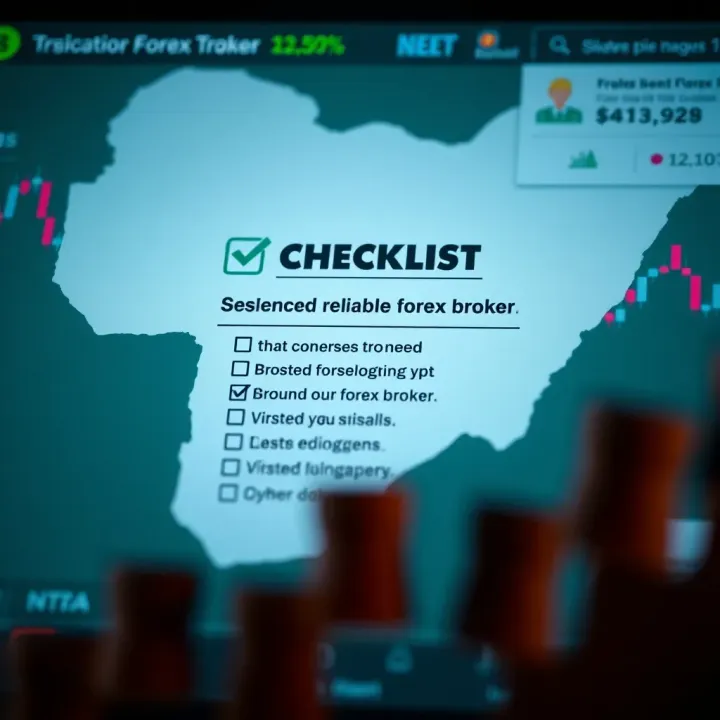
Always verify that your broker is licensed by the Securities and Exchange Commission (SEC) Nigeria or recognised international bodies like FCA or CySEC. Licensed brokers follow strict rules to protect your funds and ensure fair trading. Beware of platforms that lack regulation; they tend to have poor transparency and higher scam risk.
Before depositing money, browse through user feedback on trusted sites and forums. Traders often share real experiences about withdrawal issues, platform reliability, and customer service. Checking reviews helps avoid brokers with hidden fees or poor execution that can cost you profits.
Not all trading platforms are built the same. Try their demo version if available to test navigation, charting tools, and order execution speed. A user-friendly interface with quick support can make decision-making faster, especially during volatile market moments. For example, Nigerian traders often prefer MetaTrader 4 for its simplicity and abundance of indicators.
Taking practical steps like practising on demo accounts, verifying platform licences, and reading real user reviews reduces risk and makes forex trading a more manageable endeavour for Nigerians.
Starting safely ensures you're ready for the complexities ahead and protects you from common traps in the forex world.
Learn when the forex market is most active for Nigerian traders ⏰, including top trading sessions and tips to boost your ₦ trading strategies effectively 📈.
Start your forex trading journey in Nigeria with this practical guide 📈. Learn how to pick brokers, open accounts, manage risks, and trade safely in ₦ easily.
📈 Master forex trading with clear, practical steps tailored for Nigerian traders. Learn market basics, risk control, strategies, and top platforms to trade ₦ confidently 🇳🇬
📈 Discover how profitable forex trading can be in Nigeria. Learn about key factors, risks, strategies, and practical tips to navigate Nigeria's markets effectively and grow your ₦.
Based on 12 reviews