
Best Forex Trading in Nigeria: Practical Tips
🌍 Discover practical tips for forex trading in Nigeria! Learn how to pick trusted brokers, understand local rules, avoid mistakes, and sharpen your skills.
Edited By
Thomas Spencer
Forex trading is buying and selling currencies on the global market to make profits from changes in exchange rates. For Nigerians, this financial activity offers opportunities to grow ₦ by trading popular pairs like USD/NGN, EUR/USD, and GBP/USD. However, understanding how forex works is vital before you dive in.
At its core, forex trading involves exchanging one currency for another. For example, you might buy US dollars with naira if you expect the dollar to strengthen against the naira. Later, when the dollar rises, selling it back to naira yields a profit. The reverse also applies. Traders speculate on currency movements to earn gains, relying on factors such as economic reports, geopolitical events, and market sentiment.
Forex markets operate 24 hours a day, five days a week. This nonstop action means traders must be alert to sudden shifts, especially with Nigeria’s often volatile naira exchange rates.
Unlike stock trading, forex trades typically happen through brokers or online platforms. Nigerian traders can use apps from firms like MT4 (MetaTrader 4), MT5, or local brokers regulated by the Securities and Exchange Commission (SEC). These platforms allow you to open positions quickly, often using leverage which amplifies both profits and risks.
The practical side of forex trading involves understanding these basics:
Currency Pairs: Currencies are always traded in pairs (e.g., USD/NGN). The first currency is the base; the second is the quote.
Spread: The difference between buying and selling price. A tighter spread reduces trading costs.
Leverage: This lets you control a large position with a small amount of money but can result in heavier losses.
Pips: The smallest price movement, which determines profit or loss.
Successful trading demands knowledge, discipline, and good money management. In Nigeria, many beginners jump in without full understanding and lose funds. Additionally, risks like scams and unreliable brokers underline the need for caution and proper research.
This guide will cover practical steps, key terms, and tips tailored to Nigerian traders, helping you trade forex with greater confidence and less guesswork.
Understanding what forex trading means is essential for anyone looking to enter this financial market. For Nigerians, forex trading is more than just swapping currencies; it's about tapping into a global system to potentially grow your ₦, hedge against naira volatility, or even send remittances efficiently. The forex market operates continuously and presents both opportunities and risks that differ distinctly from local financial markets.
Basics of currency exchange: At its core, forex trading involves exchanging one currency for another. Imagine you are travelling from Lagos to London; you need pounds (£) instead of naira (₦). You sell your naira to buy pounds at a particular rate. In trading, these rates fluctuate constantly based on supply and demand, economic news, and political events. Forex traders try to buy currencies low and sell them high to earn profit.
Difference between forex and other financial markets: Unlike the Nigerian Stock Exchange (NGX), which focuses on shares and equities trading during the day, the forex market is global and runs 24 hours on weekdays. It is the largest financial market worldwide, with daily trade volumes exceeding $6 trillion. While shares deal in company ownership, forex trading revolves around currency pairs, offering more liquidity and faster trading but with higher risks due to leverage usage.
Major participants in forex (banks, brokers, traders): Big banks control much of the forex flow, pricing currencies by their buying and selling activities. Brokers act as intermediaries who give individual traders access to the forex market through platforms. Traders in Nigeria use brokers—often international ones—to buy and sell currencies, relying on brokers’ platforms like MetaTrader 4. The involvement of these participants creates a dynamic market environment.
Market hours and liquidity: The forex market spans several global financial centres including London, New York, Tokyo, and Sydney. This cyclical operation ensures liquidity around the clock, giving Nigerian traders flexibility to trade after normal business hours. The London and New York sessions notably see the highest activity, offering tighter spreads and more trading opportunities. However, liquidity can dip during off-hours or certain holidays, influencing price volatility.
For Nigerian traders, understanding that forex is a continuous, highly liquid market helps in planning trading activities around their schedules and market conditions.
This foundation sets the stage for deeper exploration into strategies, risks, and practical steps to start forex trading effectively from Nigeria.
Understanding key concepts in forex trading is essential for navigating Nigeria's dynamic trading environment. These concepts provide the foundation for making informed decisions and managing risk effectively. They help traders interpret market signals, select appropriate currency pairs, and apply strategies with confidence.
Currency pairs represent two currencies traded against each other in the forex market. They fall into major and minor pairs. Major pairs always include the US dollar, such as USD/NGN or EUR/USD. These pairs are typically the most liquid and have tighter spreads, making them attractive for Nigerian traders looking to enter the market with relatively lower costs.
Minor pairs, on the other hand, do not include the US dollar but involve other significant currencies like the British pound (GBP), euro (EUR), or Japanese yen (JPY). For example, GBP/EUR is a minor pair. These pairs tend to have slightly higher volatility, providing opportunities for traders willing to accept more risk for potential higher returns.
Each currency pair has a base currency and a quote currency. The base currency is the first listed currency (e.g., USD in USD/NGN), while the quote currency is the second (e.g., NGN in USD/NGN). The price of a currency pair shows how much one unit of the base currency costs in terms of the quote currency. For instance, if USD/NGN is 800, it means one US dollar equals 800 Nigerian naira. This is crucial because it helps traders understand the exchange rate directly affecting their profit or loss.
Currency values fluctuate based on supply and demand dynamics in the global market. Several factors drive these movements, including trade balances, geopolitical events, and interest rate changes. For Nigerian traders, exchange rates are particularly sensitive to oil price changes since Nigeria heavily depends on oil exports. When oil prices rise, the naira often strengthens, affecting USD/NGN rates.
Economic indicators such as inflation rates, employment figures, and GDP growth also influence currency values. For example, if Nigeria's inflation rate rises faster than expected, the Central Bank of Nigeria (CBN) might adjust its policies, leading traders to expect naira depreciation. Monitoring these indicators helps traders anticipate shifts and position their trades more strategically.
Keeping an eye on major economic reports from Nigeria and global markets is vital for timing trades and managing exposure.
Leverage allows Nigerian traders to control a large position with a relatively small amount of capital. For example, with 50:1 leverage, a trader can control ₦50,000 for every ₦1,000 deposited. This magnifies potential profits but also increases losses.
Margin is the amount of money a broker requires to open or maintain a leveraged position. It's essentially a security deposit. Proper understanding of margin prevents traders from overextending themselves — a common pitfall where losses exceed account balances due to poor risk management.
Using high leverage without proper care can quickly wipe out a trader’s account, especially in volatile conditions typical during embargo changes or political uncertainty in Nigeria. So, while leverage can enhance gains, Nigerian traders must manage it wisely to avoid steep losses.
Grasping these core concepts helps you view forex trading not just as speculation but as a strategic endeavour. Concrete knowledge of currency pairs, exchange rates, leverage, and margin positions you better to navigate the forex market's opportunities and pitfalls confidently.
Starting forex trading in Nigeria requires careful preparation, especially because the market has unique conditions and regulatory frameworks. Getting set up properly ensures smooth trading experiences and safeguards your funds from scams, which are unfortunately common in the Nigerian forex space.
Broker regulation and licences form the backbone of trust in forex trading. In Nigeria, brokers regulated by the Securities and Exchange Commission (SEC) or those licensed in reputable international jurisdictions like the UK’s Financial Conduct Authority (FCA) provide better security. Regulated brokers must adhere to strict rules, which helps prevent fraudulent practices. For example, when you pick a broker that is SEC-registered, your investments are somewhat protected by the Nigerian securities laws.
Local and international brokers accessible to Nigerians offer different advantages. Local brokers familiar with Nigerian market conditions tend to provide customer service tailored to your needs, including support for naira deposits and withdrawals. On the other hand, international brokers usually have access to wider currency pairs and better trading platforms. However, international brokers should be chosen carefully to ensure they allow Nigerian residents and provide transparent funding options. Popular names like FXTM, HotForex, and Exness often serve Nigerian traders well.
To start trading, required documents such as your National Identification Number (NIN) and Bank Verification Number (BVN) are mandatory. Brokers ask for these to comply with Know Your Customer (KYC) regulations and to prevent money laundering. This means you need to have these Nigerian identity numbers ready before registration, providing a seamless onboarding process.
Next, understanding account types and funding options is essential. Brokers typically offer demo accounts for practice, as well as live accounts ranging from standard to VIP types depending on your initial deposit and trading volume. Nigerian traders appreciate funding options that include bank transfers, USSD payments, or popular fintech wallets like OPay and Flutterwave, which support quick and affordable deposits and withdrawals.
Two of the most popular platforms globally, MetaTrader 4 (MT4) and MetaTrader 5 (MT5), dominate the Nigerian forex market. MT4 is well-known for its user-friendly interface and wide range of technical indicators, making it ideal for beginners. MT5 offers additional features like more timeframes and pending order types, giving more experienced traders greater flexibility.
With the high penetration of smartphones, mobile trading apps and features are critical. These apps allow you to trade anytime and anywhere, even in busy Lagos traffic or on a keke ride. Mobile platforms often provide push notifications for price alerts, easy chart analysis tools, and quick trade execution. Brokers tailor their mobile apps to Nigerian traders by supporting local payment methods and sometimes offering customer help in Nigerian languages.
Before diving in, ensure you pick a regulated broker, set up your account with the right documents, and familiarise yourself with trading platforms. Doing this reduces unnecessary risks and opens smoother paths for your forex journey.
Understanding common forex trading strategies is critical for Nigerian traders wanting to trade smart and protect their funds. These strategies guide your decisions on when to enter or exit the market, reducing guesswork and emotional reactions. Knowing the difference between technical and fundamental analysis, plus solid risk management, can set you apart.
Using charts to predict price movements involves analyzing historical price data displayed on charts to forecast future trends. Traders often look for patterns such as 'head and shoulders' or 'double tops' which hint at potential reversals or continuations. For example, if the Nigerian Naira against the US Dollar shows a steady upward trend on a daily chart, a trader might anticipate this momentum continuing and choose to buy.
Charts also help spot support and resistance levels—price zones where the currency pair tends to stall or bounce. Recognising these helps you decide where to place your trades or when to take profits.
Common indicators (RSI, moving averages) complement chart reading by offering quantified signals. The Relative Strength Index (RSI) measures momentum; readings above 70 suggest the asset is overbought, possibly signalling a drop ahead. Moving averages smooth out price data to highlight the market direction more clearly. A trader may watch for the 50-day moving average crossing above the 200-day moving average (known as a golden cross) to signal a buying opportunity. These indicators help filter noise and confirm trade setups.
How economic news affects currencies is central to fundamental analysis. For Nigerian traders, developments like CBN policy changes, inflation data, or crude oil prices directly shape the Naira's value against other currencies. For instance, a positive inflation report or a surge in crude prices tends to strengthen the Naira. Keeping an eye on reliable news sources allows traders to anticipate market moves rather than react after prices shift.
Monitoring Central Bank decisions is equally vital. The Central Bank of Nigeria (CBN) and other global banks influence currency prices through interest rate changes and policy statements. When the CBN raises rates to combat inflation, the Naira might gain appeal to investors seeking better yields. Conversely, loosening policy may weaken the currency. Traders must watch official meeting calendars and statements closely for timely opportunities.
Setting stop-loss and take-profit levels helps guard your capital by automatically closing trades at predefined prices. A stop-loss prevents big losses if the market moves against you, while a take-profit locks in gains once your target price is reached. Suppose you buy EUR/USD at 1.1000 expecting it to rise to 1.1100; placing a stop-loss at 1.0950 limits losses if the market drops instead. This disciplined approach avoids emotional panic during volatile sessions.
Position sizing and diversification involve deciding how much of your trading capital to risk per trade and spreading investments across different currency pairs. For example, risking no more than 2% of your account on a single trade is common advice to avoid blowing up your fund. Also, trading NGN/USD and EUR/USD pairs means if one moves unfavourably, the other might offset losses, balancing your overall exposure. This strategy boosts your chances to survive the unpredictable forex market long term.
Strong strategies grounded in analysis and risk controls make forex trading less of a gamble and more of a business. Nigerian traders who apply these methods carefully will find themselves better equipped for the market’s ups and downs.
Understanding the risks and challenges in forex trading is essential for Nigerian traders aiming to safeguard their investments. Forex market movements can be sudden and unpredictable, and without careful awareness, traders risk significant losses. This section elaborates on key concerns that every forex trader in Nigeria should consider before committing funds.
Sudden price swings in forex result from various factors such as geopolitical events, economic data releases, and central bank policy announcements. For instance, unexpected statements from the Central Bank of Nigeria (CBN) about foreign exchange controls can cause the naira to fluctuate sharply against the dollar. Similarly, global events like the US Federal Reserve adjusting interest rates ripple through currency values worldwide, affecting Nigerian traders.
Market volatility impacts how quickly positions can gain or lose value. The forex market's 24-hour nature means prices can change while Nigerian traders are asleep, exposing them to overnight risk. This unpredictability makes emotional control crucial in forex trading.
Managing emotional responses is a challenge many traders encounter. When markets swing rapidly, fear and greed can prompt rash decisions such as closing positions prematurely or overleveraging. Nigerian traders often face pressures from fluctuating naira exchange rates and economic uncertainty, which can heighten emotional stress. Developing a disciplined trading plan, including stop-loss orders and position limits, helps prevent impulsive moves during high volatility periods.
Nigerian traders remain targets for scams due to a lack of stringent regulation and awareness. Common schemes include fake brokers promising guaranteed profits, unregulated platforms disappearing after deposits, or manipulative software showing false trading results. For example, some fraudulent operators set up convincing-looking websites to lure Nigerians with flashy ads but evade withdrawal requests later.
Verifying broker credibility is vital. Look for brokers regulated by trusted bodies like the Securities and Exchange Commission (SEC) Nigeria or reputable international regulators such as the Financial Conduct Authority (FCA) in the UK. Always confirm if the broker holds valid licences and check for transparent contact details. Nigerian traders should also search for independent reviews and test the withdrawal process before committing significant amounts.
Spreads, commissions, and overnight fees form the core trading costs. The spread is the difference between the buy and sell price of a currency pair, which brokers earn as commission. Some brokers charge additional fixed commissions per trade. Overnight fees, or swap rates, apply when positions stay open past trading hours, which can add up over time.
These costs directly affect profitability. For Nigerian traders, high spreads can erode gains, especially on frequent or low-volume trades. For example, trading the naira-dollar pair with a 5-pip spread means you start with a 5-pip loss that your trade must recover before earning profit. Understanding and comparing brokers’ fee structures ensures traders pick cost-effective options tailored to their strategy.
Forex trading offers opportunities but comes with risks Nigerian traders cannot ignore. Awareness and careful management of market volatility, broker selection, and costs are essential steps towards consistent success.
🌍 Discover practical tips for forex trading in Nigeria! Learn how to pick trusted brokers, understand local rules, avoid mistakes, and sharpen your skills.
💹 Explore forex trading designed for Nigerians! Learn key concepts, spot risks, and get practical tips to trade currencies confidently and smartly.
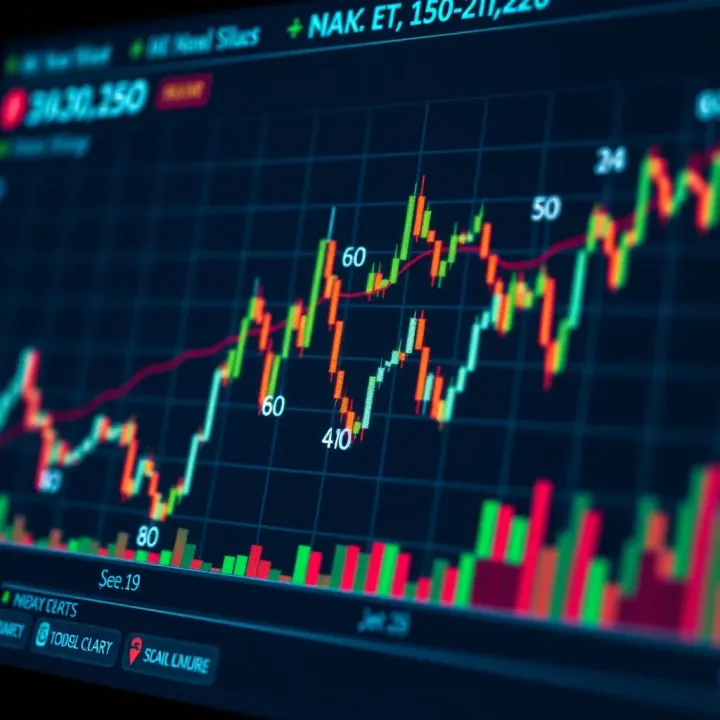
Explore forex trading in Nigeria 🇳🇬 with tips on brokers, strategies, risks, regulations, and market opportunities to trade smarter and safer 💹

Learn forex trading basics 🌍, from market workings to risk tips, tailored for beginners in Nigeria eager to trade currency confidently 💹.
Based on 6 reviews