
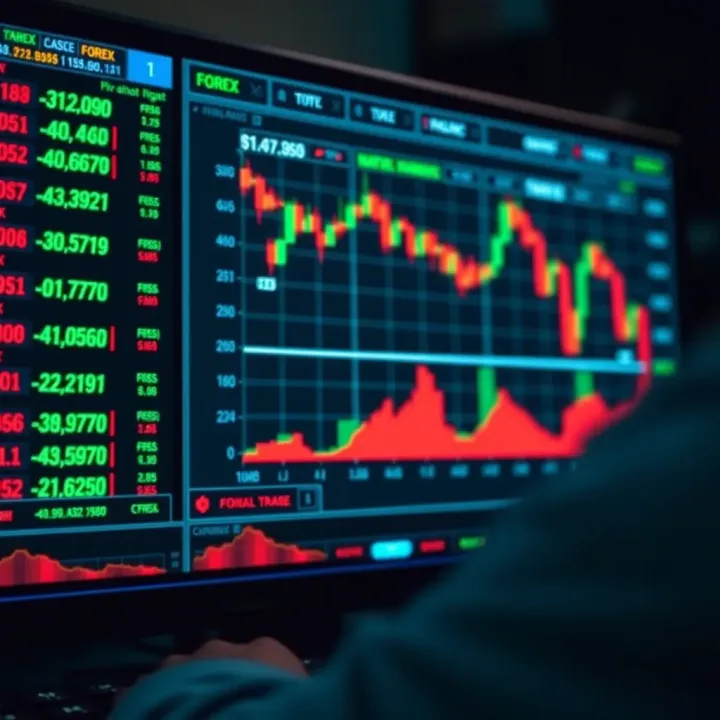
How to Learn Forex Trading in Nigeria: A Practical Guide
Learn forex trading the right way in Nigeria 🇳🇬. Discover key strategies, tools, risk management, and tips to trade confidently and grow your ₦💹 journey.
Edited By
Lucas Bennett
Forex trading has become a popular way for many Nigerians to grow their wealth beyond traditional savings and investments. Yet, understanding the forex market requires more than just knowing exchange rates—it’s about grasping how currencies move, recognising market patterns, and making smart decisions.
The foreign exchange market, or forex, is where currencies from different countries are bought and sold. It operates 24 hours a day, five days a week, offering flexibility for busy Nigerians juggling multiple jobs or businesses. Unlike the stock market, forex trading centres on currency pairs like USD/NGN or EUR/USD, allowing you to profit from the rise or fall of these rates.
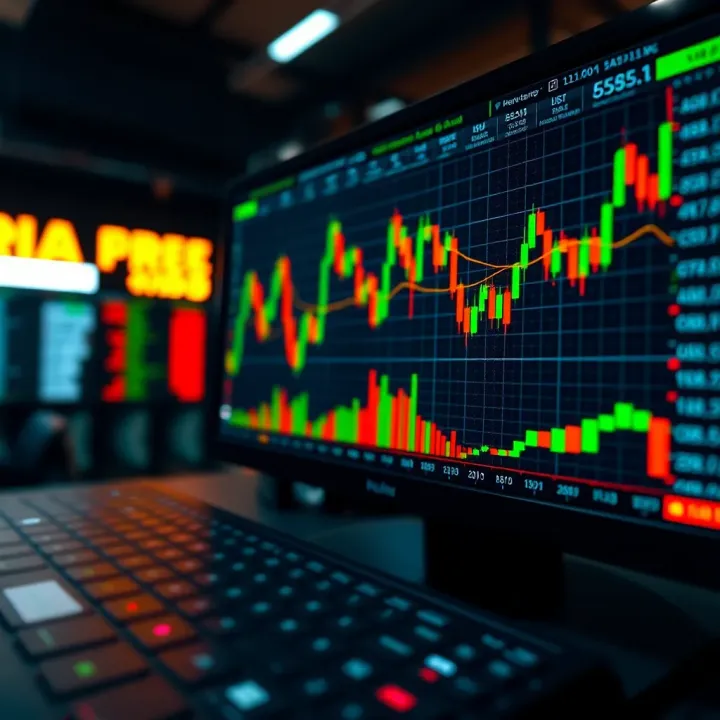
Before diving in with real money, you should first build a strong foundation. This means starting with the basics:
Learn key terms such as pips (smallest price movements), leverage (trading with borrowed funds), and spreads (the cost gap between buying and selling).
Understand market influencers like geopolitical events, interest rates, and economic data – all of which can make the naira or other currencies move sharply.
Familiarise yourself with trading platforms used in Nigeria, such as MetaTrader 4 or 5, which offer tools for analysis and execution.
When you feel ready, test your knowledge with a demo account. Many brokers offer these accounts with virtual money so you can practise without risk. This step is crucial—it's better to make mistakes here than on the live market where real naira is at stake.
Starting small and educating yourself continuously reduces unnecessary risks and builds confidence, which is vital for long-term success in forex trading.
Finally, understand the legal and regulatory environment. Check if your chosen broker is registered with the Securities and Exchange Commission (SEC) Nigeria and compliant with the Central Bank of Nigeria (CBN) rules. This safeguards your funds and ensures fair trading conditions.
By mastering these fundamentals, you set yourself on the right path, avoiding common pitfalls many Nigerians fall into when trying forex trading for the first time.
Grasping the fundamentals of the forex market sets the foundation for any trader, especially for Nigerians stepping into this fast-moving world. Knowing how the market works, what drives currency prices, and key trading terms helps you avoid costly mistakes and spot real opportunities. Without this understanding, trading becomes a gamble rather than a smart financial move.
Forex trading is the act of buying one currency while selling another simultaneously. It's the biggest financial market globally, dealing with trillions of dollars every day. For a Nigerian trader, this means you can exchange your naira (₦) against major currencies like the US dollar ($) or euro (€), aiming to profit from the changes in their exchange rates. Unlike the stock market, forex trades 24/5, giving flexibility outside standard Nigerian stock exchange hours.
Focusing on the right currency pairs helps reduce risk and improve your trading efficiency. The popular pairs include EUR/USD (euro against the dollar), USD/JPY (dollar against Japanese yen), and GBP/USD (British pound against the dollar). For Nigerians, pairs involving the US dollar, like USD/NGN, are particularly relevant because of the frequent impact of dollar fluctuations on the naira’s value. Mastering these pairs first lets you understand typical price movements better.
The forex market opens Monday morning in Asia and closes Friday evening in New York, running across several overlapping sessions: Asia, Europe, and North America. Liquidity—how easily you can buy or sell a currency—peaks when these sessions overlap. For example, between 2 pm and 4 pm WAT, when the London and New York markets overlap, liquidity surges, which means tighter spreads and smoother trades. Understanding these hours can help Nigerians trade at the best times to avoid high costs and slippage.
A pip is the smallest price move a currency pair can make; it's usually the fourth decimal place. For example, if EUR/USD moves from 1.1200 to 1.1201, that’s one pip. Lots describe the volume of your trade, with a standard lot equal to 100,000 units of the base currency. For beginners in Nigeria, starting with mini-lots (10,000 units) or micro-lots (1,000 units) helps manage risk.
Leverage lets you control larger positions with a smaller amount of your own money. A 50:1 leverage means ₦1,000 can control ₦50,000 of currency. While tempting, excessive leverage can wipe out your capital quickly, so use it cautiously.
The spread is the difference between the buying (ask) and selling (bid) price of a currency pair. Think of it as the broker’s fee. For example, if the EUR/USD bid is 1.1200 and the ask is 1.1202, the spread is 2 pips. Low spreads reduce your cost, which matters when trading frequently or scalping.
Margin is the amount of money required to open and maintain a position. If your broker requires a 2% margin and you want to control ₦100,000, you need ₦2,000 as margin. Knowing your margin prevents margin calls, which happen when your funds don’t cover potential losses.
These two prices determine what you pay and receive in the market. The bid price is the highest price buyers offer to purchase a currency, while the ask price is the lowest price sellers accept. When you sell a currency pair, you do so at the bid price; when you buy, it’s at the ask price. Successful trading depends on watching these prices closely since their difference (spread) affects your profit potential.
Understanding these basics is not just academic; it directly impacts your daily trading decisions, risk control, and profitability. As you deepen your grasp of these terms and market mechanics, you become a more confident and informed trader able to navigate the market’s challenges.
Selecting the right forex broker is a key step that can significantly influence your trading success in the Nigerian market. A broker acts as the middleman connecting you to the global forex market, so choosing one that aligns with your needs, offers reliable service, and operates legally is essential. Considering how many brokers are available, focusing on specific criteria helps avoid scams and unnecessary costs, improving your overall trading experience.
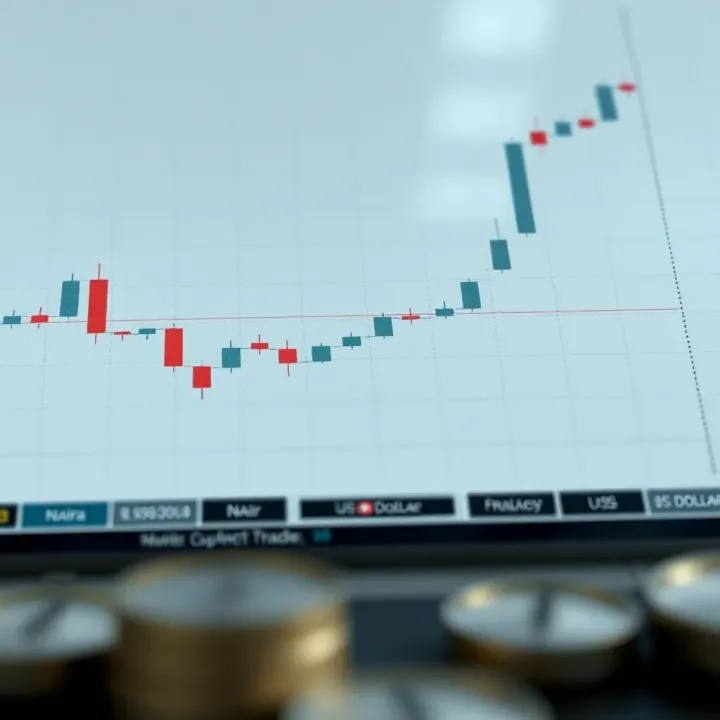
One of the most important factors is the broker’s regulation status. In Nigeria, brokers regulated by recognised bodies like the Securities and Exchange Commission (SEC) Nigeria or international regulators such as the Financial Conduct Authority (FCA) in the UK, or the Cyprus Securities and Exchange Commission (CySEC) offer better protection. Regulation ensures the broker follows certain rules to operate fairly and safeguards clients' funds.
Security also extends to how your money and data are protected. Brokers should keep client funds in segregated accounts and use encryption on their trading platforms. For example, FXTM and Pepperstone, popular amongst Nigerian traders, are regulated internationally and provide good security measures.
The trading platform a broker offers affects how easily you can execute trades. MetaTrader 4 (MT4) and MetaTrader 5 (MT5) are widely used because they’re user-friendly, support automated trading, and provide robust charting tools. However, some brokers also offer proprietary platforms tailored for beginners or those who prefer trading on mobile devices.
For Nigerians, the choice of platform might depend on your internet connectivity and device. For instance, platforms like MT4 work smoothly even with low bandwidth, which is beneficial given the occasional unreliable internet in some parts of the country. It’s wise to test demo accounts on different platforms before deciding.
Costs can eat into your profits if you’re not careful. Look closely at the fees charged by the broker — these include spreads (the difference between buying and selling prices), commissions per trade, and any hidden charges like withdrawal fees.
For instance, a broker offering a low spread of 1.2 pips on EUR/USD might seem attractive, but if they charge high commissions or impose withdrawal fees, your gains will reduce. Some brokers in Nigeria, like HotForex and FXPro, provide competitive spreads and transparent fee structures, which is useful when you plan your trading budget.
Nigerian traders can choose between local brokers regulated by SEC Nigeria and international ones. Local brokers offer convenience in terms of deposit and withdrawal methods, often supporting naira payments directly. However, many Nigerians prefer international brokers licensed by global regulators for better security and access to a wider range of currency pairs.
For example, the local broker Mertex Markets is gaining traction, while international names like OctaFX and Tickmill remain popular for their global presence and trustworthy reputations.
Reliable customer support is non-negotiable. You want quick responses, preferably in local time zones, with support channels like live chat, email, or phone. Brokers offering Hausa, Yoruba, or Igbo language support may provide an added advantage though this isn’t common yet.
Payment methods are equally critical. Nigerian traders look for brokers accepting funds through bank wire transfer, e-wallets like Skrill or Neteller, and even card payments. Some brokers now accept payments via local online platforms like Paystack or Flutterwave, making it easier to fund accounts in naira without heavy conversion fees. Always confirm withdrawal options are straightforward and quick to avoid getting stuck with your funds.
Choosing the right broker isn’t just about low costs or flashy platforms; it impacts your security, ease of trading, and ultimately, your profits. Take time to research and test before committing.
By understanding these factors, Nigerian traders can pick forex brokers that deliver good value, security, and service tailored to the local trading environment.
Building solid forex trading skills is essential if you want to turn occasional trades into consistent profits. Without a clear strategy and practical experience, many traders risk losing their hard-earned ₦. Developing effective trading strategies helps you make informed decisions rather than relying on guesswork or emotions, which often lead to poor outcomes. For Nigerian traders, who face a volatile foreign exchange market and naira fluctuations, mastering skills early gives a real advantage.
A demo account replicates the live forex market but uses virtual funds, making it a risk-free environment to learn. Almost all brokers used in Nigeria, such as FXTM, HotForex, or Alpari, offer demo accounts free of charge. Setting it up involves registering on the broker’s platform and selecting the demo option so you can start practising immediately without depositing real money.
Practising on demo accounts lets you understand how trades execute, how the leverage works, and how price movements affect your position. This hands-on experience builds confidence and helps you familiarise with the trading platform’s tools before risking real naira. Also, it allows you to test different strategies under various market conditions without worrying about losses.
Trend following involves identifying and trading in the direction of the market’s general movement. If the dollar/naira rate has been rising steadily, following that upward trend can be profitable. This strategy requires patience to wait for confirmation that a trend is established and not just a short-term fluctuation. Nigerian traders can combine this with technical indicators like moving averages to confirm trends and decide when to enter or exit a trade.
Range trading happens when forex prices move sideways between two clear levels — support and resistance. For example, if the euro/dollar pair frequently bounces between ₦560 and ₦570, a trader can buy at the lower end (support) and sell near the upper end (resistance). This strategy is practical during quiet market periods when no strong trend is present, especially during low liquidity times like early mornings in Nigeria.
News events like CBN policy changes, GDP releases, or US Federal Reserve announcements can cause sharp currency movements. News-based trading means positioning yourself before or after such news to profit from the market’s reaction. Nigerian traders should watch economic calendars and stay alert to local and global announcements. For instance, a hike in interest rates by the CBN could strengthen the naira temporarily, presenting an opportunity to buy before the market adjusts.
Practising on demo accounts and starting with simple strategies like trend following or range trading are practical ways to build confidence. Combining technical skills with awareness of market news creates a balanced and adaptable trading approach suited to Nigeria’s dynamic forex environment.
Forex trading offers exciting opportunities, but it also comes with risks that traders in Nigeria cannot ignore. Grasping these risks and applying smart risk management techniques is vital to protect your capital and avoid losing more than you can afford. This section breaks down the common risks you might face and practical ways to handle them.
Market volatility refers to how much and how quickly price changes occur in the forex market. Prices can swing widely within minutes, especially around major economic reports or unexpected news. For example, when Nigeria's inflation figures or the Central Bank of Nigeria (CBN) monetary policy announcements drop, currency pairs involving the naira can react sharply. Volatility means there's opportunity but also greater risk—the same price movements that can bring profit may also cause swift losses.
Leverage lets you control a bigger trade size than the money you actually have. While this magnifies gains, it also magnifies losses. If you use 100:1 leverage, a 1% adverse move wipes out your entire deposit. Many Nigerian traders get caught in this trap, especially those chasing quick profits with small accounts. For instance, with ₦20,000 in a trading account, using high leverage might lead to losing the entire sum faster than expected. Using leverage without strict discipline can lead to severe financial damage.
Choosing an unregulated or unreliable broker exposes you to risks like poor trade execution, fund mismanagement, or even outright fraud. Some unlicensed brokers might delay withdrawals or manipulate prices to trigger stop-loss orders. Nigerian traders should prioritise brokers regulated by reputable bodies such as the Financial Conduct Authority (FCA), Cyprus Securities and Exchange Commission (CySEC), or Nigerian Securities and Exchange Commission (SEC). Ensuring your broker follows clear rules safeguards your investment and trading experience.
Stop-loss orders automatically close your trade if the market moves against you to a set level, preventing big losses. Take-profit orders do the same but lock in profit when the price hits your target. For example, if you buy EUR/USD at 1.1000, setting a stop-loss at 1.0950 limits your loss to 50 pips, while a take-profit at 1.1100 secures 100 pips gain. These orders help you stay disciplined and avoid emotional decisions in sudden market swings.
Position sizing means deciding how much money to risk on a single trade based on your account size and risk appetite. A common rule is to risk no more than 1–2% of your trading capital per trade. This way, even if you lose several trades consecutively, your account remains intact to keep trading. For instance, with ₦100,000 in your account, risking ₦1,000–₂,000 per trade is a practical approach for sustainable growth.
Don't put all your eggs in one basket. Trading different currency pairs or strategies spreads your risk. If one pair behaves unpredictably, gains or stability in others can balance losses. For Nigerian traders, besides naira pairs like USD/NGN, consider majors like GBP/USD or EUR/USD. This approach reduces exposure to shocks specific to one currency or economic event.
Understanding and managing risk in forex is not just about protecting money; it’s about building the mindset and habits that keep you in the game longer. Careful planning, clear rules, and patience deliver better results than chasing quick wins.
By recognising these risks and applying proper management techniques, Nigerian traders can improve their chances of success and avoid costly mistakes that harm many beginners.
Continuous learning is key for anyone serious about forex trading, especially in a dynamic environment like Nigeria's. Markets change, economic indicators shift, and new technologies emerge. Staying updated ensures that your trading decisions remain relevant and informed. Without ongoing education, it's easy to fall behind and lose your edge.
Online Courses and Tutorials provide a structured way to build your forex knowledge progressively. Websites like Coursera and Udemy offer courses tailored for beginners through to advanced traders, often with exercises and quizzes to test understanding. Nigerian traders benefit especially from courses that include case studies or examples specific to the local and African markets, helping connect theory to practical scenarios. These courses also give access to video tutorials which make complex topics like leverage or margin easier to grasp.
Webinars and Forex Communities allow you to learn from experienced traders and experts in real-time. Many forex brokers and educational platforms regularly host free or paid webinars covering timely topics such as new strategies or responding to market news. Joining Nigerian forex groups on social media or dedicated forums offers peer support and exchange of ideas. These communities often discuss nuances like how naira fluctuations affect trades or share alerts about economic events like CBN policy changes, making your learning grounded in local reality.
Following Local Market News and Economic Indicators is vital because Nigerian events often have direct impact on currency movements and trading conditions. Keeping track of changes such as inflation updates, fuel subsidy adjustements, or election announcements can help anticipate volatility. Sources like Nigerian newspapers, business websites, and financial news channels provide timely economic data. For example, announcements from the Central Bank of Nigeria (CBN) about interest rates tend to cause significant market reaction, which informed traders can use strategically.
Practising Patience and Discipline is often overlooked but indispensable to long-term success. Forex trading can be quite tempting when sudden price swings happen, but reacting emotionally often leads to losses. A disciplined trader waits for their set strategy to signal entries and exits rather than chasing quick wins. Nigerians, especially new traders, might get drawn into impulsive moves due to FOMO (fear of missing out), but regular practice and mental preparation help curb that urge.
Keeping a Trading Journal serves as a personal record to review what works and what doesn’t. Documenting every trade with details like entry price, exit price, the strategy used, and emotional state helps identify patterns over time. For Nigerian traders facing market irregularities such as exchange rate swings or local broker variations, this journaling becomes even more useful to track adjustments needed. Many successful traders rely on journals to fine-tune their approach and avoid repeating mistakes.
Staying current with forex education and market trends is not just an option in Nigeria—it is a necessity for consistent profitability and growth as a trader.
By integrating these resources and habits, you place yourself on a path to becoming a savvy forex trader capable of navigating both global and local factors effectively.
Learn forex trading the right way in Nigeria 🇳🇬. Discover key strategies, tools, risk management, and tips to trade confidently and grow your ₦💹 journey.
Explore top forex trading platforms for Nigerian traders 📊. Compare fees, security, payment options, and user experiences to pick the best fit for your ₦ trading goals.
Learn when the forex market is most active for Nigerian traders ⏰, including top trading sessions and tips to boost your ₦ trading strategies effectively 📈.
Start your forex trading journey in Nigeria with this practical guide 📈. Learn how to pick brokers, open accounts, manage risks, and trade safely in ₦ easily.
Based on 5 reviews