

Risk Management in Nigerian Businesses Explained
Learn how Nigerian businesses can manage risks like economic uncertainty, power supply issues, and market changes with practical steps to boost resilience 📊🔌🇳🇬
Edited By
Lucas Bennett
Forex trading offers promising returns for Nigerian investors, but it comes with risks that can quickly erode capital if not managed properly. The foreign exchange market is highly volatile, affected by global economic events as well as local issues like naira fluctuations and erratic power supply. Without a solid risk management strategy, traders may find themselves losing more than they expect.
Effective risk management in forex trading boils down to controlling exposure and protecting your investment. This means carefully planning entries and exits, using tools like stop-loss orders, and managing leverage to avoid big losses. By doing so, traders can trade confidently even when markets are choppy.
"Protecting your capital is more important than chasing big profits. Without capital, there is no trading."
In Nigeria, additional challenges such as frequent power outages and unstable internet connections can affect your ability to monitor trades in real-time. This makes having preset risk controls essential, especially for retail traders. Also, naira volatility can influence forex positions, so it’s important to factor in local currency trends when placing trades.
Start by defining your risk tolerance: how much of your total trading capital you're willing to lose on a single trade or in a day. Most experienced traders recommend risking no more than 1–2% per trade. This simple rule helps preserve funds over time and prevents emotional decisions.
Leverage is another critical tool that demands caution. Nigerian brokers often offer high leverage ratios, which amplify both gains and losses. Using leverage responsibly means only borrowing what you can afford to lose and adjusting position sizes accordingly.
To sum up, managing risk in forex trading entails a combination of practical tactics and mindset discipline. The following sections will break down essential strategies like position sizing, stop-loss setting, and how to navigate Nigeria's specific market hurdles. Implementing these will give you a stronger chance to grow your portfolio steadily without falling into common pitfalls.
Knowing the types of risks involved in forex trading is the foundation for protecting your investment. Forex markets can be unpredictable, and recognising where danger lurks helps traders avoid losses that drain capital. This understanding becomes even more vital in Nigeria, where local market factors add to the mix.
Market risk and currency volatility affect the value of currencies every moment. For instance, the Nigerian naira's frequent swings against the dollar show how volatile currency markets can be. These movements happen due to supply and demand shifts, economic data releases, or sudden political news. If a trader ignores this, they may suffer heavy losses when the naira weakens unexpectedly.
Leverage and margin risk are significant because forex platforms often offer high leverage, sometimes up to 1:100 or more. While leverage can amplify profits, it can also multiply losses beyond initial investment. A Nigerian trader who overuses leverage might lose ₦100,000 on what seemed like a small price move, ending up with debt on the account instead of profit.
Liquidity risk refers to the ease with which a currency pair can be bought or sold without affecting its price. Major pairs like USD/EUR tend to be liquid, but exotic pairs including the NGN might face liquidity issues. Low liquidity can cause wider spreads and slippage, meaning traders pay more and get worse prices than expected.
Political and economic factors greatly affect forex movements. Decisions such as fuel subsidy removals, CBN policies on foreign exchange, or election uncertainties in Nigeria can shake currency values sharply. A sudden declaration, such as a new import restriction, often causes the naira to drop, catching uninformed traders off-guard.
The forex market operates 24 hours a day, unlike stocks or bonds traded mainly during fixed hours. This means Nigerian traders can enter or exit trades any time, even overnight. While this offers flexibility, it also increases exposure to sudden market moves when the trader is asleep or away, such as when market-opening events overseas cause sharp price jumps.
Global events hit forex markets harder than many other investments. For example, a trade war announcement or change in US Federal Reserve interest rates can immediately impact currency values worldwide, including the naira. Unlike stocks tied to a single company, currencies react to broad macroeconomic developments, requiring traders to stay updated across multiple global fronts.
Understanding these specific forex risks helps Nigerian investors design strategies that fit their unique market environment and trading styles, thus improving chances for consistent profits while managing potential losses.
Managing risk effectively is the backbone of successful forex trading, especially for Nigerian investors navigating the volatile currency markets. Applying key risk management techniques helps you protect your capital from unexpected market swings and avoid heavy losses. These techniques include using stop-loss and take-profit orders, calculating the right position size, and managing leverage wisely — each with practical benefits and clear rules.
Setting effective stop-loss limits is crucial to control how much you can lose on any trade. By placing a stop-loss order, you instruct your broker to automatically close a trade once the price reaches a certain level, preventing further losses. For example, if you buy EUR/USD at 1.2000 expecting it to rise, you might set a stop-loss at 1.1950 to limit loss to 50 pips. In the Nigerian context, where sudden forex price swings happen, especially around naira devaluations, using stop-loss protects your naira investment from sharp downturns.
Balancing risk and reward means setting take-profit orders realistically while limiting downside risk. A common rule is to aim for at least a 2:1 reward-to-risk ratio — risking ₦10,000 to potentially gain ₦20,000. This approach helps avoid chasing high returns recklessly. For instance, if your stop-loss is 50 pips, your take-profit should be 100 pips or more. This calculated approach improves your chances of overall profitability, even if you win only half the time.
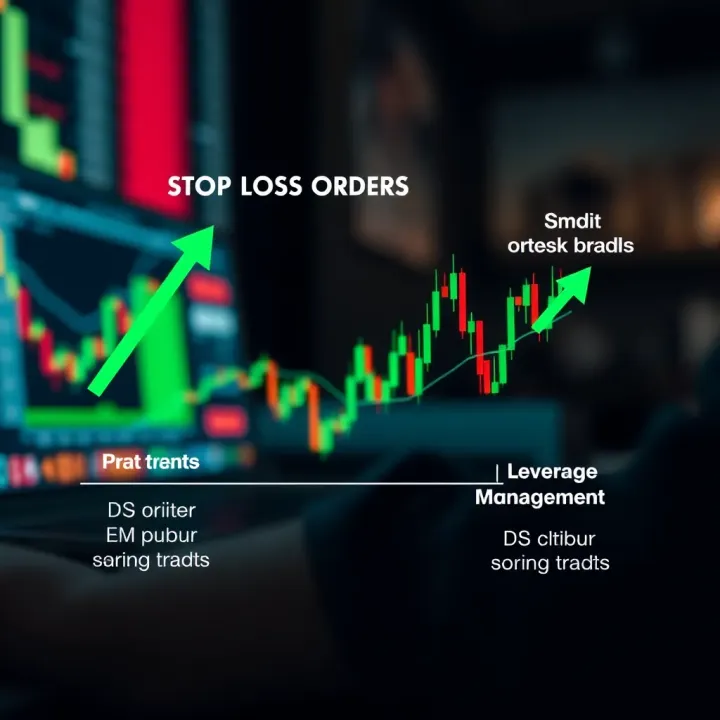
Calculating appropriate trade size ensures you don’t risk too much on a single trade. A standard approach is to risk only 1–2% of your trading capital per trade. If your total fund is ₦500,000, risking 1% means your maximum loss per trade should be ₦5,000. Position sizing depends on stop-loss distance and your risk tolerance; choosing it correctly avoids wiping out your account quickly.
Avoiding overexposure on single trades is about spreading risk. Nigerian traders unfamiliar with this sometimes put too much capital on one trade hoping for big wins. This can be dangerous because a single bad move might drain your funds. By diversifying trades and sticking to small percentages, you keep your portfolio balanced and withstand market shocks better.
Understanding leverage ratios is key before increasing market exposure. Leverage lets you control a large trade size with a small deposit, but it magnifies both profits and losses. For example, a 1:100 leverage means you can control ₦1,000,000 with ₦10,000. While tempting, this can rapidly deplete your capital if the market moves against you.
Using leverage responsibly in the Nigerian context means recognising local risks like volatile naira exchange rates and occasional platform downtimes. Opt for lower leverage ratios such as 1:10 or 1:20 to limit risk exposure. Always assess economic news and CBN policies affecting forex markets before employing high leverage. This cautious practice reduces your chance of margin calls and forced liquidations that many beginner traders face.
Adopting these risk management techniques helps Nigerian forex traders safeguard their investment, trade more confidently, and steadily improve their returns despite market turbulence.
By combining stop-loss orders, wise position sizing, and careful leverage use, you build a solid foundation to weather forex’s ups and downs effectively.
Adapting your forex trading risk strategies to fit Nigerian market conditions is vital for protecting your capital from local economic setbacks and infrastructural challenges. The Nigerian market is distinct, especially with naira fluctuations tied to government policies and structural issues like inconsistent power supply and patchy internet. Ignoring these realities could lead to unexpected losses even if your trading plan seems foolproof elsewhere.
The Nigerian naira experiences frequent swings due to exchange rate policies implemented by the Central Bank of Nigeria (CBN), including interventions like fixed exchange windows, multiple exchange rates, and currency restrictions. These policies, while aiming to stabilise the naira, sometimes cause sharp fluctuations in the offshore and parallel markets. For Nigerian investors trading forex pairs involving naira, ignoring these changes translates to higher risk as the naira’s volatility can suddenly erode profits or deepen losses.
Because the naira is sensitive to oil price changes and foreign inflows, traders must factor in how government policies respond to economic realities. For instance, when the CBN tightens foreign exchange controls to preserve reserves, it often narrows official channels, pushing currency trades onto the less regulated black market, which can have wider spreads and higher volatility.
Strategies to hedge against naira fluctuations include diversifying forex pairs with more stable currencies like the US dollar (USD), euro (EUR), or British pound (GBP). By avoiding over-concentration in naira pairs, you reduce exposure to local currency shocks. Nigerian traders can also use currency futures or options available through select brokers to lock in exchange rates and protect against downside risks.
Putting a portion of capital into assets less affected by naira swings, such as dollar-denominated stocks listed on the Nigerian Exchange (NGX) or offshore investments, further cushions your portfolio. Regularly monitoring CBN announcements and exchange rate trends helps you adjust your strategies before major policy-driven shifts impact the market.
Reliable electricity and uninterrupted internet are cornerstones for successful forex trading. Unfortunately, many Nigerian traders face frequent power outages and inconsistent broadband service, especially outside Lagos or Abuja. These issues can cause missed trading opportunities or failure to execute crucial stop-loss orders, leaving traders vulnerable to bigger losses.
For example, a trader in a city experiencing a sudden NEPA blackout during volatile market hours may not access their trading platform, missing the chance to cut losses. Even with a backup generator, the fuel costs add up, eating into profits. Similarly, spotty internet connection can cause late price feeds or failed order placements, which are dangerous in fast-moving forex markets.
Choosing reliable platforms and brokers becomes essential to mitigate infrastructure risks. Nigerian traders should prioritise brokers approved by the Securities and Exchange Commission (SEC) Nigeria, as these often cater to local needs and provide customer support in local time zones. Many top platforms now offer mobile apps with offline capabilities or low data usage options, helping traders stay active despite poor connections.
Platforms that support fast order execution, have reliable servers located near African data hubs, and offer automated stop-loss and take-profit orders reduce reliance on continuous presence during trading hours. Examples include IG Group Nigeria and some global brokers with strong Nigerian client bases. Always test demo accounts under your local network conditions before trading live to ensure stable access.
Adapting risk strategies to the Nigerian environment means recognising local market nuances like naira swings and infrastructure hurdles, then using appropriate tools and methods to shield your investments.
This practical awareness can impressively reduce the risk of avoidable losses and boost your chance of consistent returns in Nigeria’s unique forex trading landscape.
Having the right tools and resources is a must for managing risk effectively in forex trading. Nigerian investors face unique challenges—from naira volatility to occasional internet disruptions—so relying on proper platforms and educational materials can make a huge difference. These tools help traders control exposure, make timely decisions, and sharpen their risk strategies without relying solely on guesswork.
When selecting a trading platform approved for Nigerian traders, look beyond the flashy interface. The ideal platform should offer features that make risk control straightforward and accessible. For example, clear options for setting stop-loss and take-profit orders allow you to limit potential losses or lock in profits automatically, reducing the danger of emotional decision-making during volatile periods.
Additionally, ensure the platform supports alerts and notifications. Considering Nigeria’s frequent power outages or unstable internet, getting real-time updates on your trades helps you act swiftly when market conditions change. Platforms like Remitano and IG Markets have Nigerian support and offer such risk control features, enabling traders to guard their capital effectively.
Automated risk management tools are increasingly crucial for traders, especially those still building experience. These include algorithmic trading bots that can execute stop-loss orders or close positions based on predefined risk parameters. Such automation protects traders when they step away or face sudden market swings caused by unexpected naira devaluation or global events.
Moreover, some platforms provide built-in tools that calculate the risk percentage per trade based on your capital. This feature prevents placing unusually large bets on a single trade, a common mistake among beginners. In a Nigerian context where the naira's value can fluctuate many times within weeks, such tools can help maintain discipline and avoid wipeout trades.
Demo accounts offer an invaluable space to test your risk management strategies without risking real money. Nigerian traders should take advantage of these to practice setting stop-losses, leverage use, and position sizing. By simulating live market conditions, demo trading builds confidence and reveals how different forex pairs react to news and economic shifts.
Beyond practice, risk calculators are practical aides to determine risk-to-reward ratios and position sizes precisely. Several Nigerian forex educational platforms provide calculators tailored to the capital sizes common among local traders. Combining these with journal keeping—recording every trade’s entry, exit, emotional state, and outcome—helps identify patterns to improve strategies systematically.
Keeping a forex journal is not just a formality; it sharpens your self-awareness and discipline, curbing impulsive decisions that often lead to losses.
Together, these educational resources and assessment tools form the backbone of a smart, risk-resilient trading approach, equipping Nigerian investors to navigate forex markets prudently while protecting their ₦ investments.
Creating a trading plan that can withstand the ups and downs of the forex market is vital for Nigerian investors. Such a plan helps you avoid reckless decisions and protect your capital even when the market behaves unpredictably. It should clearly outline your approach to managing risk, including how much you’re ready to lose, when to step back, and how to adjust your moves when conditions change.
Knowing how much loss you can tolerate before closing a trade is crucial. Many traders set a fixed percentage of their trading capital as the maximum loss per trade—usually between 1 and 3%. For example, if you have ₦500,000 as your trading capital, risking more than ₦15,000 on a single trade can expose you to unnecessary danger. This practice helps prevent a single bad trade from wiping out your funds.
Setting clear loss limits keeps emotions in check. When losses hit your pre-set point, you exit the trade without hesitation, preventing small setbacks from snowballing into big disasters.
Markets don't stay the same; they shift with news, economic reports, and geopolitical activities. For Nigerian traders, local factors like naira fluctuations and CBN policies also play a role. Adjusting your trading plan regularly ensures you stay fit for the current market environment.
For instance, during periods of high naira volatility, you might reduce your position sizes or tighten stop-loss levels to limit risk. Conversely, in calmer markets, you might allow slightly wider stops or increase trade sizes just a bit. Such flexibility keeps your trading plan responsive, not rigid.
Forex trading in Nigeria can be stressful, especially when prices swing wildly or internet issues disrupt trades. Emotional stress often leads to poor choices like holding losing positions too long or increasing risk recklessly.
Maintaining psychological discipline means sticking to your trading plan even when your gut says otherwise. Traders who control their emotions tend to stay consistent and avoid costly mistakes. Techniques like meditation, exercise, or simply taking breaks during intense market sessions can keep your mindset sharp.
Impulsive trading—jumping into a trade because of a tip or sudden urge—can wreck your risk management efforts. Nigerian investors sometimes fall into this trap due to tips from friends or the pressure of fast-moving markets.
Avoid impulse trades by always reviewing your plan before executing. Ask yourself if the trade fits your strategy and risk limits. Using demo accounts to test new ideas can prevent unnecessary losses. Remember, the goal is steady growth, not quick wins that might blow your account.
A risk-resilient trading plan combines clear rules and emotional control. It’s your shield against the unpredictable elements of forex trading, especially in a market as dynamic as Nigeria’s.
Learn how Nigerian businesses can manage risks like economic uncertainty, power supply issues, and market changes with practical steps to boost resilience 📊🔌🇳🇬

📊 Learn how Nigerian businesses can spot and handle risks effectively, from identifying dangers like power fluctuations and fuel hikes to tracking solutions for a safer ₦-wise operation.
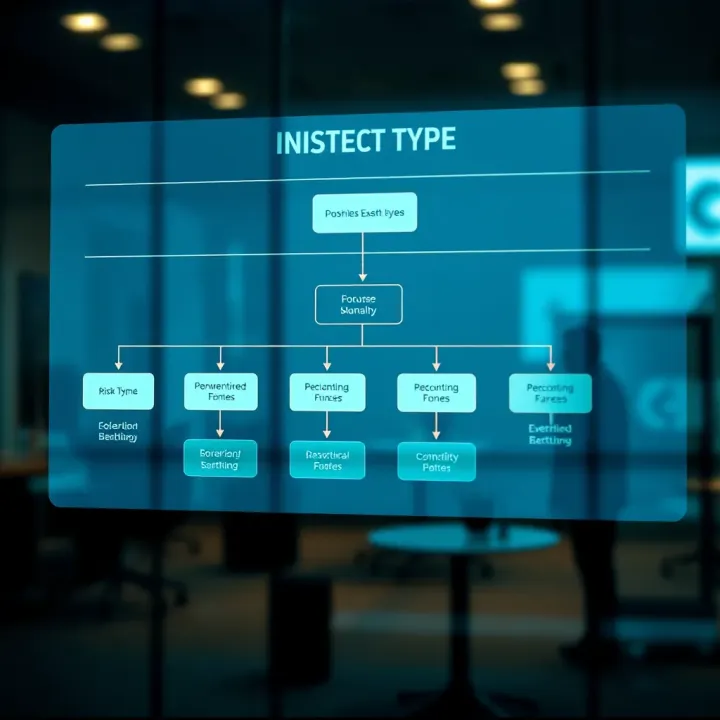
Discover how Nigerian firms can build integrated risk management plans that reduce losses, improve choices, and boost resilience using practical, local methods 📊🇳🇬.

Learn how Nigerian businesses can identify, evaluate, and tackle risks to protect assets and comply with regulations. Stay steady despite infrastructure and economic challenges 📊⚙️
Based on 15 reviews