

Key Steps in Risk Management for Nigerian Businesses
Learn practical steps of risk management for Nigerian businesses 🇳🇬, covering hazard identification, assessment, and monitoring to protect against economic and security threats.
Edited By
Emily Watson
Risk management in Nigerian businesses is not just about ticking regulatory boxes; it’s a practical necessity. With challenges such as inconsistent power supply, currency fluctuations, and unpredictable market conditions, companies have to be proactive in identifying and handling risks.
The risk management process involves a series of steps businesses take to foresee problems and reduce their impact. It ensures assets are protected, operations stay steady, and compliance is maintained even in Nigeria’s sometimes volatile economic environment.

Nigerian businesses face unique risks including infrastructure problems, security concerns, and regulatory changes that can affect profit margins and operational continuity.
By applying a clear risk management framework, traders, investors, and finance analysts can anticipate potential pitfalls. For example, a Lagos-based manufacturing firm might assess the risk of power outages leading to production delays. They could then invest in generators or solar power to mitigate this.
Understanding risk management starts with these key steps:
Risk Identification: Listing out all potential threats, from supply chain issues to cyber security risks.
Risk Evaluation: Measuring how likely these risks are and what damage they could cause.
Risk Treatment: Deciding on actions to minimise or eliminate risks, such as insurance, new technology, or staff training.
This process keeps the business alert and ready to adjust. For instance, a financial broker monitoring currency volatility would use risk data to adjust trading strategies quickly, protecting investments.
Practical methods tailored for Nigeria include regular market analysis and scenario planning based on local economic indicators to stay ahead of changes. These steps also help ensure compliance with standards set by bodies like the Central Bank of Nigeria (CBN) and Securities and Exchange Commission (SEC).
In summary, risk management is an ongoing cycle critical for surviving and thriving within Nigeria’s business climate. It turns uncertainty into manageable challenges through diligent planning and timely action.
Risk management is not just a buzzword for Nigerian companies; it's a necessary approach to keep businesses afloat amid unpredictable challenges. For businesses operating here, it means actively identifying, assessing, and handling risks that could disrupt operations or cause financial loss. Take a Lagos-based manufacturing firm, for example. Frequent power outages force them to run costly generators, increasing operational expenses. By having a risk management plan, they can budget for fuel, explore alternative power sources like solar, or negotiate with DISCOs to minimise downtime.
Risk management involves spotting potential threats to a business and taking steps to reduce their impact. These threats could be internal, like employee fraud or system failures, or external, such as fluctuating currency rates or unstable infrastructure. The primary purpose is to protect company assets, ensure regulatory compliance, and maintain smooth operations. In practice, a trader on the Nigerian Stock Exchange (NGX) might assess market volatility risks and adjust investment strategies to prevent losses during economic downturns. Similarly, a fintech startup could implement cybersecurity measures to prevent data breaches that might erode customer trust.
Nigeria's economy presents unique challenges that make risk management essential. The naira's volatility, constant power supply issues, and regulatory changes can quickly affect any business. For example, an agribusiness might face delays from poor road infrastructure during the rainy season, risking spoilage of perishable goods. Without planning for these risks, losses mount rapidly. Moreover, compliance with bodies like the Federal Inland Revenue Service (FIRS) and the Nigerian Communications Commission (NCC) demands organised record-keeping and timely filings. Failure to manage these risks exposes companies to fines and reputational damage.
In Nigeria's dynamic environment, risk management becomes a shield, enabling businesses to anticipate problems and respond effectively rather than react haphazardly.
By embedding risk management into daily operations, Nigerian organisations can remain competitive, attract investors, and grow sustainably despite the economic headwinds. Whether it's a small mama put stall or a large multinational, understanding risk and preparing for it is not a luxury but a practical necessity.
Understanding and following clear steps in the risk management process helps Nigerian businesses act systematically against uncertainties. This approach ensures risks are not overlooked and response plans are practical, timely, and effective. Particularly in Nigeria’s dynamic commercial environment—characterised by frequent power outages and currency volatility—applying these steps keeps operations smoother and reduces loss.
Internal risks arise from within the organisation and often relate to weaknesses in processes or behaviour. For example, operational inefficiencies such as poorly maintained inventory systems at a Lagos-based trading firm can cause stockouts, leading to loss of clients and revenue. Fraud cases—whether payroll fraud or vendor-related corruption—are unfortunately common and can drain company funds quietly if left unchecked.
Identifying such internal risks means the business regularly reviews its internal controls, audits processes, and encourages whistleblowing. A frequent problem in many small-to-medium Nigerian businesses is lack of proper segregation of duties, making them vulnerable to embezzlement or errors.
External risks lie outside the company’s direct control but can greatly impact business continuity. Consider fuel price hikes or naira depreciation; these can hike input costs for manufacturers and traders alike. A business that imports raw materials may suddenly face increased costs from FX scarcity, hitting margins hard.
Power outages remain a top external risk for Nigerian firms. A bakery in Ibadan experiencing daily NEPA (power supply) interruptions will find it challenging to meet production targets without investing heavily in generators and fuel. Thus, businesses must identify these risks upfront, knowing they require different coping strategies compared to internal ones.
Businesses can measure risks qualitatively or quantitatively depending on available data and resources. Qualitative methods rely on descriptive scales like high, medium, or low risk. For a start-up in Abuja without much historical data, gut feeling and expert judgment can guide early risk ratings.

Quantitative methods, on the other hand, use numbers—probabilities and potential financial impacts. A bank assessing loan default risks will calculate expected loss percentages based on borrower credit scores and economic trends. This method suits organisations with access to good data and analytical tools.
Evaluating the probability of an event and its impact lets businesses prioritise which risks need more attention. For instance, although flooding during rainy season in Lagos is common, the chance of severe damage to a well-located office might be low, while power outage impact is almost always high. The company would then choose to invest more in backup power solutions than flood-proofing.
This evaluation enables efficient allocation of limited resources—focusing on risks that occur frequently and cause significant harm.
Avoidance means steering clear of activities that expose the business to certain risks. A food exporter may decide not to enter a region with unstable security conditions to avoid loss of goods and personnel.
Reduction strategies aim to minimise risk likelihood or impact. Installing solar panels to reduce reliance on erratic grid power or implementing strict inventory controls are typical examples. These approaches work well when the risk cannot be fully avoided but manageable with effort.
Risk transfer shifts the burden to third parties, commonly through insurance or outsourcing. A Lagos-based logistics company might insure its fleet against theft and accident, transferring potential financial strain.
Acceptance involves recognising that some risks cannot be eliminated economically. A small retailer may accept marginal losses from occasional shoplifting as part of doing business. Knowing which risks to accept requires clear understanding of business tolerance and cost-benefit trade-offs.
Documented policies guide employees on how to handle risks consistently. For example, a bank’s anti-fraud policy demands multiple approvals for large transactions, reducing chance of internal theft.
Clear procedures ensure everyone understands the steps to manage risks day-to-day. Nigerian businesses often face challenges when procedures are informal or unknown, so formalising these can improve control and accountability.
Employees are frontline risk managers. Regular training on risk awareness—like cybersecurity practices or health and safety rules—helps build resilience. When staff understand why each control matters, compliance improves.
Besides formal sessions, frequent reminders or sharing real-life cases keep risk management alive in organisation culture.
Risks evolve, especially in Nigeria’s shifting business landscape. Continuous monitoring allows early detection of new threats or changes in existing risks. For instance, after new foreign exchange controls, import-dependent firms must update currency risk assessments regularly.
Technology can assist with real-time monitoring, but even simple regular risk team meetings can help keep tabs on emerging issues.
Feedback loops are essential. If a policy is routinely bypassed or a training session met with confusion, adjustments are needed. A Nigerian telecom company may revise its fraud controls after discovering loopholes through audits.
This adaptive approach ensures risk management stays relevant and effective rather than a paper exercise.
Effective risk management in Nigerian businesses demands a proactive, stepwise approach from initial risk identification to ongoing review. Handling risks systematically prevents surprises and positions firms for steadier growth despite local challenges.
Nigerian businesses rely heavily on various tools and techniques to navigate the complex risk environment typical of the local market. Effective risk management depends on not just recognising risks but also organising that information clearly. The right tools help firms prioritise risks, allocate resources wisely, and make sound decisions that protect both assets and operations. Let's explore the practical utilities of key tools such as risk registers, matrices, and digital platforms.
A risk register acts like a ledger where businesses list all identified risks, describing their nature, causes, potential impacts, and current control measures. For Nigerian companies, especially SMEs operating with limited manpower, this register provides a central point to track risks from security issues to supply chain delays. For example, a small Lagos-based manufacturer might list power outages and erratic fuel supply as pressing risks.
Complementing this, risk matrices help visualise these risks based on their likelihood and impact, usually plotted in a simple grid format. This makes it easier for decision-makers to spot high-priority risks quickly. Consider a financial services firm in Abuja that uses a risk matrix to rank foreign exchange fluctuations higher than minor operational hiccups, guiding where to focus mitigation efforts.
Together, these tools facilitate a hands-on, manageable way to grasp where threats lie and how urgent they are.
Several Nigerian startups and fintech companies offer cost-effective risk management solutions tailored to small and medium enterprises (SMEs). These platforms often integrate basic risk registers, incident reporting, and compliance checks. For instance, a platform like RiskGuard Nigeria allows businesses to input company-specific data, flag potential risks, and generate reports in formats suitable for regulatory agencies such as the Nigerian Investment Promotion Commission (NIPC).
These local options are especially useful for businesses with tight budgets or those new to formal risk frameworks. The software is generally priced in affordable tiers and offers Nigerian-specific features like regulatory compliance alerts for the NSE or CBN monetary policy changes.
Larger Nigerian firms and multinationals often rely on globally recognised risk management software like LogicManager or Resolver. These platforms are adaptable, allowing for localisation to align with Nigerian laws, business customs, and specific risk factors such as political uncertainty or forex volatility.
International tools come with advanced analytics, automated dashboards, and integration with enterprise resource planning (ERP) systems. One Lagos-based oil and gas company, for example, has implemented such software to monitor environmental risks while ensuring compliance with both Nigerian regulations and international standards.
Employing a mix of traditional registers and modern digital platforms gives Nigerian businesses robust ways to stay ahead of risk, optimise time, and meet reporting demands effectively.
Choosing the right tools involves balancing cost, complexity, and organisational needs. But whether it’s a manual risk register or a sophisticated software solution, these tools are essential pillars supporting risk management efforts across Nigeria's diverse business landscape.
Nigerian businesses operate in an environment with distinct hurdles that shape how they manage risks. Understanding these challenges is key to developing realistic and effective risk management strategies tailored to local conditions. This section explores three main obstacles: infrastructure and power supply issues, regulatory complexities, and financial constraints.
Power supply remains a serious headache for many Nigerian businesses. Frequent outages force companies to rely on generators, which increase operating costs significantly. For instance, a manufacturing firm in Lagos might spend over ₦200,000 monthly on diesel just to keep production running when the national grid falters. This unpredictability disrupts supply chains, delays deliveries, and can even damage sensitive equipment. Besides power, poor road networks and unreliable internet connectivity also raise operational risks. Businesses must factor these infrastructural weaknesses into their risk assessments and consider solutions like solar power or backup internet systems to maintain continuity.
Nigeria's regulatory environment is multi-layered and often confusing. Firms must navigate requirements set by bodies such as the Corporate Affairs Commission (CAC), Federal Inland Revenue Service (FIRS), Nigerian Communication Commission (NCC), and sector-specific regulators like NAFDAC or SEC. Compliance demands regular updates to policies, timely filings, and strict adherence to tax laws. Missing deadlines for tax returns or licensing can result in hefty fines or operational restrictions. For example, fintech startups frequently struggle with evolving guidelines from the Central Bank of Nigeria. Keeping track of shifts in regulation requires constant vigilance and sometimes legal support, which is a significant risk for smaller enterprises with limited resources.
Limited access to finance is a widespread challenge. Many Nigerian businesses, especially SMEs, operate on tight budgets with scarce reserves for unforeseen risks. Whether it's cushioning against market shocks, upgrading infrastructure, or training staff on compliance, available funds are often insufficient. During the recent foreign exchange scarcity, import-dependent businesses faced soaring costs, putting their survival at risk. Without robust financial buffers or credit access, companies end up accepting higher risks by cutting corners or deferring critical investments.
Nigerian firms face a complex mix of infrastructural, regulatory, and financial challenges that demand tailored risk strategies rather than off-the-shelf solutions.
Addressing these obstacles means building flexibility into operations and fostering relationships with stakeholders like regulators, financiers, and service providers. Nigerian businesses that do so are better positioned to weather uncertainties and grow sustainably despite the local constraints.
Building a strong risk culture is a vital step Nigerian businesses must take to ensure effective risk management. In Nigeria's complex economic and infrastructural landscape, organisations benefit immensely when all stakeholders, from top leaders to frontline employees, share a clear understanding of risks and their potential impact. A robust risk culture fosters transparency, encourages proactive behaviour, and helps companies avoid costly surprises like sudden market shifts or regulatory penalties.
Strong leadership sets the tone for risk culture. When senior management visibly prioritises risk awareness, it sends a clear message across the organisation. Nigerian companies that embed risk accountability in leadership roles tend to navigate uncertainties better. For example, a Lagos-based fintech startup can mitigate fraud risk by having the CEO and board members regularly review risk reports and approve control measures. Leaders should also ensure responsibility for specific risks is clearly assigned, with measurable targets and consequences. This accountability helps prevent the common Nigerian business pitfall of shifting blame when problems arise.
Employees are frontline defenders against many risks; engaging them actively is crucial. Training sessions tailored to local realities — such as handling power outages or understanding cyber threats in the Nigerian context — empower workers to spot and report issues early. Financial institutions like GTBank often conduct regular workshops to familiarise staff with compliance requirements and fraud detection techniques. Making risk management a shared responsibility creates an environment where staff feel valued and involved, rather than overwhelmed by rigid procedures. Practical training also reduces errors caused by miscommunication or lack of knowledge.
Risk culture is not static; it requires constant refinement based on lessons learned and emerging threats. Nigerian businesses should adopt a mindset of continuous improvement, regularly reviewing risk policies against actual incidents and near misses. For instance, after a data breach or supply chain disruption, management should analyse what went wrong and adjust controls accordingly. Companies that encourage open dialogue about failures and successes help break down fear of reporting problems, leading to better responses next time. In sectors like oil and gas, this approach often saves millions of naira by preventing repeated mistakes.
A strong risk culture helps Nigerian businesses stay agile and resilient, especially amid challenges like regulatory changes and unstable power supply. When leadership leads by example, employees are trained well, and continuous learning takes place, risk becomes manageable rather than overwhelming.
By focusing on leadership, engagement, and continuous learning, Nigerian organisations can build risk cultures that shield them from shocks, protect value, and foster sustainable growth.
Learn practical steps of risk management for Nigerian businesses 🇳🇬, covering hazard identification, assessment, and monitoring to protect against economic and security threats.

📊 Learn how Nigerian businesses and public institutions can spot risks early, set clear goals, and build strong foundations for managing risks effectively.
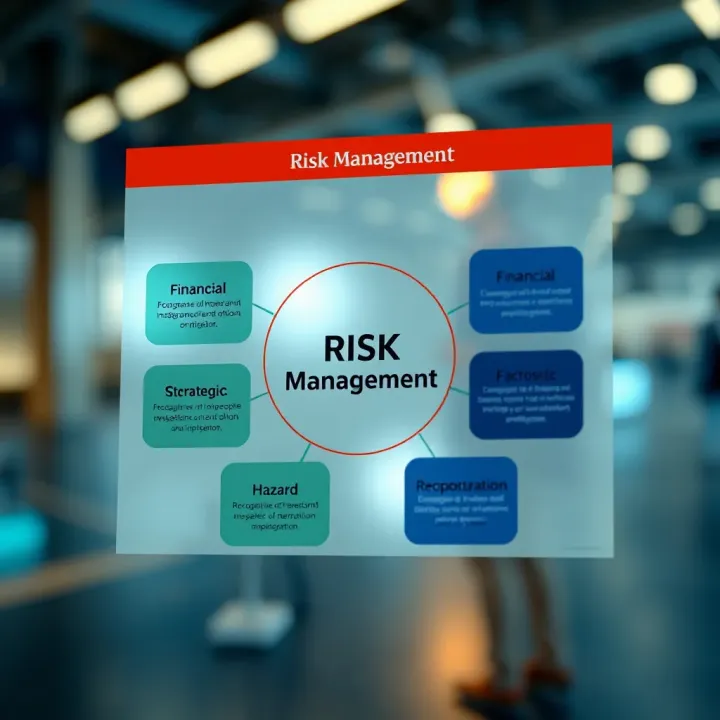
Explore types of risk management📊 like financial, operational, and compliance risks, plus how Nigerian businesses can apply them to protect profits and reputation effectively🔐.

📊 Discover how risk management in project management stops surprises and boosts success. Learn practical steps Nigerian projects use to spot, assess, and control risks.
Based on 9 reviews