

Risk Management Process for Nigerian Businesses
Learn how Nigerian businesses can identify, evaluate, and tackle risks to protect assets and comply with regulations. Stay steady despite infrastructure and economic challenges 📊⚙️
Edited By
Emma Collins
Every Nigerian organisation faces risks — from currency volatility and regulatory changes to infrastructure challenges and market fluctuations. Integrated Risk Management (IRM) Planning offers a structured way to manage these risks together rather than in isolation. This approach helps organisations avoid costly surprises and make smarter decisions.
Unlike focusing only on individual risks like foreign exchange or power supply, IRM planning combines financial, operational, strategic, and compliance risks into a single plan. This holistic view allows companies to prioritise resources effectively and respond quickly when issues arise.
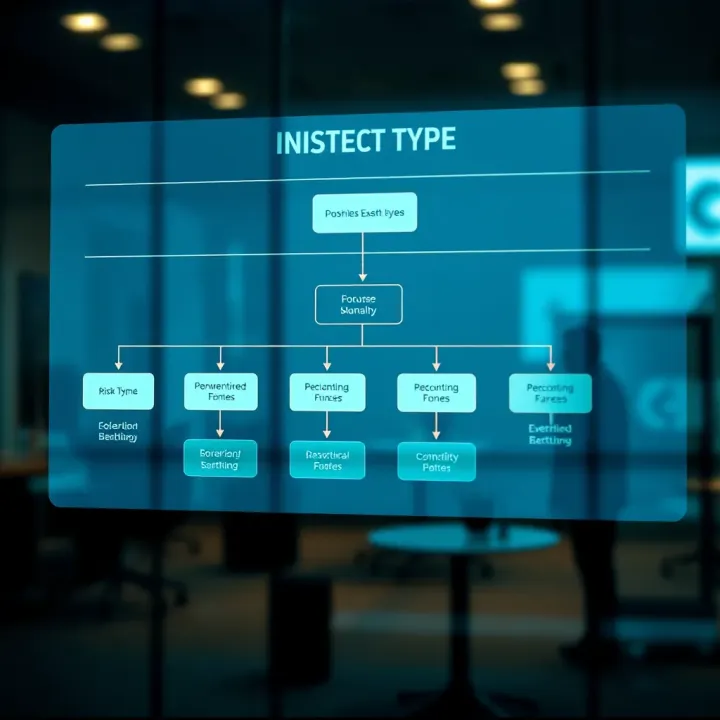
For example, a Lagos-based manufacturer might face disruptions from erratic power supply and naira depreciation simultaneously. Instead of treating these risks separately, an integrated plan would assess their combined impact on production costs and export competitiveness, proposing measures like investing in solar power and hedging foreign currency exposure.
Key benefits of integrated risk planning include:
Reduced losses by anticipating and mitigating risks before they escalate
Improved decision-making through better visibility of interlinked risks
Stronger resilience against shocks such as fuel scarcity or policy shifts
It's essential for Nigerian firms to embed IRM in their strategic processes, involving cross-department collaboration and continuous monitoring. Practical tools such as risk registers, scenario analysis, and dashboard reporting adapt well to local contexts. Also, integrating data from sectors like banking (BVN usage), telecoms, and logistics enables comprehensive risk insights.
An integrated risk plan is not a one-off exercise but a living document that evolves with the business environment, especially in Nigeria where uncertainties shift fast.
In the upcoming sections, we will unpack the components of robust IRM plans, realistic assessment techniques suitable for Nigerian companies, and step-by-step guidance to build and maintain effective risk management frameworks that safeguard assets and enhance competitive advantage.
Knowing what integrated risk management (IRM) entails is key for Nigerian businesses aiming to strengthen their resilience against multiple threats. IRM pulls different risk types together into one clear strategy, helping organisations avoid a patchwork of responses that often leave gaps in security or financial stability. For example, a Lagos-based manufacturing firm might face operational risks like machine breakdowns alongside financial risks from naira fluctuations. IRM helps such a firm see the bigger picture and prepare in a balanced way.
Integrated risk management means combining all risk areas — operational, financial, regulatory, strategic, environmental, and social — into one coordinated plan. Instead of treating each risk as a separate problem, IRM considers how they overlap and affect one another. This reduces duplication of effort and helps allocate limited resources more effectively.
Nigeria’s complex business environment requires a joined-up approach. Firms often juggle regulatory demands from CBN or SEC, currency volatility, operational hiccups from power outages, and social expectations within communities. Without integration, efforts to solve one problem may worsen another. For instance, pushing to meet new finance rules without checking operational capacity can cause workflow breakdowns. Integration ensures decisions weigh all risk angles.
Operational risks come from everyday processes and systems that keep a business running. This includes supply chain hiccups, machinery failure, or staff strikes. In Nigeria, power outages remain a major operational risk, forcing firms to rely on generators that put pressure on margins due to fuel costs. Proper IRM means anticipating such disruptions and building backup plans, like setting fuel budgets or partnering with alternative suppliers.
Financial risks cover threats to an organisation’s cash flow, profitability, and assets. Nigerian firms face currency devaluation, inflation, and delayed payments from clients due to economic instability. For example, a trader depending on imported goods might suddenly face inflated costs from Naira depreciation. Integrated risk planning helps identify these financial pressures early and develop hedging or credit management strategies to safeguard operations.
Navigating Nigeria’s changing regulatory landscape poses challenges. Businesses must comply with CBN guidelines, tax laws from FIRS, and sector-specific rules like NAFDAC’s food safety codes. Failure can lead to fines or licence revocations. Integrated risk management ensures ongoing monitoring of regulatory changes and aligns business activities to meet all requirements cohesively.
Strategic risks arise from decisions affecting long-term direction. For Nigerian companies, this might mean expanding into regions with political instability or adopting new technology without sufficient testing. Through integrated risk assessment, such risks can be mapped alongside financial and operational factors, ensuring strategies align with the firm’s risk appetite.
Environmental factors like flooding during the rainy season or social unrest impact Nigerian business continuity. Moreover, community relations matter deeply, especially for businesses in the Niger Delta or other sensitive regions. IRM incorporates these social and environmental risks into planning, encouraging proactive engagement and risk reduction strategies rather than reacting after crises hit.
Effective integrated risk management helps Nigerian organisations move beyond firefighting towards forward-looking resilience. It transforms risk from an obstacle into a manageable part of doing business.
An effective integrated risk management plan is foundational for Nigerian organisations aiming to handle uncertainties better. The plan brings together various risk types – from operational hiccups to regulatory challenges – into a single, manageable framework. This approach makes it possible to spot interconnections, reduce blind spots, and allocate resources efficiently. For example, a Lagos-based manufacturing company might use such a plan to simultaneously manage supply chain delays, fluctuating foreign exchange rates, and compliance with the Nigerian Export Promotion Council (NEPC) regulations.
Identifying risks is the first step and involves recognising anything that could disrupt business objectives. Nigerian firms must classify these risks into categories such as operational, financial, compliance, strategic, or environmental. Concrete examples include power outages impacting factory production (operational), naira volatility affecting foreign transactions (financial), or new tax guidelines from the Federal Inland Revenue Service (FIRS) (compliance). Proper categorisation aids in tailoring responses to the nature and impact of each risk.
Qualitative methods rely on subjective judgement, often gathered from workshops or expert opinions within the company. They help evaluate risks based on likelihood and impact without heavy reliance on numerical data. For Nigerian SMEs lacking extensive data resources, qualitative assessments help prioritise issues such as security threats during ember months or risks associated with unreliable suppliers. This method creates a clear narrative for decision-makers to act on promptly.

Quantitative approaches use data and statistical techniques to measure risk in numerical terms. Firms with access to reliable data can estimate probable losses using models or simulations. For instance, a bank might use historical default rates and stress testing to quantify credit risks. In Nigeria, quantitative methods support better capital allocation and insurance coverage decisions, even though some sectors may face challenges finding consistent, quality data.
Avoidance means steering clear of activities or investments linked to high risk. Nigerian companies, for example, may avoid expanding into regions with frequent civil unrest or highly volatile currencies. While sometimes costly, this option removes the risk source entirely and suits firms that cannot afford risk exposure.
Mitigation reduces risk impact without eliminating the risk entirely. Practical steps include installing backup power generators to offset NEPA/DISCO power failures or diversifying suppliers to manage logistics disruptions. Mitigation strikes a balance between cost and safety, which is critical in Nigerian environments where certain risks cannot be fully avoided.
Transferring risk involves shifting it to a third party, usually through insurance or outsourcing. Nigerian businesses often buy insurance against fire hazards or theft, or subcontract critical functions to expert firms. While transfer doesn’t remove the risk, it shifts the financial or operational burden, providing some relief.
Acceptance happens when the cost of mitigating a risk outweighs the potential losses. Some risks, like minor daily fluctuations in foreign exchange rates, may be accepted as part of normal business operations. Companies should clearly define which risks they accept and monitor them regularly to avoid surprises.
Continuous monitoring keeps the risk management plan alive and responsive. Nigerian firms can use periodic risk reviews, audits, and real-time dashboards to track risk exposure. Transparent reporting to leadership ensures that risk remains a priority and that new threats are quickly addressed. For instance, a petrol retail company might regularly report fuel supply risks arising from NNPCL and pipeline disruptions.
A well-structured risk management plan does not end with planning—it demands ongoing scrutiny and adjustment, especially in the dynamic Nigerian business climate.
In summary, understanding and applying these key components ensures Nigerian organisations manage risks effectively, protecting their bottom line and building resilience in a challenging economic environment.
Developing and implementing an integrated risk management (IRM) plan is vital for Nigerian organisations navigating complex business environments. This process brings together diverse risk types into a single framework, helping firms make better decisions and respond proactively to challenges like currency fluctuations, regulatory changes, or supply chain disruptions.
Getting leadership on board is critical. Without support from top management, risk initiatives tend to stall. Leaders provide direction, allocate resources, and set the tone for risk culture. For example, a Lagos-based manufacturing firm that involves its board early can avoid bottlenecks during implementation and ensure that IRM aligns with the company’s strategic goals, such as expanding export markets or improving operational efficiency.
Clear objectives must be defined upfront. These objectives should be specific, measurable, and grounded in the organisation’s real needs. Whether it's mitigating foreign exchange risk on imported machinery or managing compliance risks from evolving Nigerian laws, setting tangible goals guides the entire risk management process.
A dedicated risk team ensures responsibility and accountability. Ideally, this team should cut across departments—finance, operations, compliance, and IT—reflecting all risk areas. Take, for instance, a fintech startup that assembles a cross-functional team to handle fraud risks, regulatory compliance, and tech vulnerabilities simultaneously. This diversity enables a fuller understanding of interlinked risks.
Team members must have clear roles and the authority to influence risk decisions. Without this, risk management efforts become fragmented.
Engaging employees through workshops helps uncover risks that might not appear in reports. Workshops encourage candid discussions where workers share experiences, such as disruptions caused by fuel scarcity or vendor delays. Collecting reliable data during these sessions and through business records ensures risk assessments rest on facts.
In Nigerian organisations, where data quality may be uneven, combining qualitative insights from workshops with quantitative metrics sharpens risk visibility.
Risk treatment should suit the organisation's capacity and appetite. For example, a company facing unpredictable power outages might mitigate risk by investing in solar energy instead of relying solely on costly generators. Alternatively, it may transfer risk through insurance against fire or theft.
Controls must be practical and integrated into daily operations. Overly complex procedures risk poor compliance.
Lastly, effective communication keeps risk management alive. Regular training—tailored to different teams—builds awareness and equips staff to spot early warning signs. A bank, for instance, might run quarterly workshops on cybersecurity risks to address phishing attacks prevalent in Nigeria.
Consistent communication also ensures the organisation adapts as risk landscapes change, especially in dynamic sectors like oil and gas or telecommunications.
Strong leadership support, a skilled risk team, robust data collection, thoughtful risk responses, and ongoing communication form the backbone of effective integrated risk management. Nigerian organisations that follow these steps stand better chance at safeguarding their assets and sustaining growth in uncertain times.
Technology plays a vital role in enhancing risk management, especially within Nigerian organisations where complexities like fluctuating market conditions and regulatory changes are common. The right tools enable firms to identify, assess, and respond to risks more efficiently, ultimately reducing losses and improving resilience. These tools range from specialised software platforms to data analytics and cybersecurity solutions tailored to the local business environment.
Nigerian companies increasingly adopt locally developed risk management software designed with our unique market challenges in mind. These platforms often integrate compliance tracking with local regulations such as those set by the Central Bank of Nigeria (CBN) and the Securities and Exchange Commission (SEC). For instance, platforms like Soteria Risk and Brimtek specifically cater to Nigerian financial institutions, supporting credit risk assessments that consider Nigeria’s economic volatility and currency fluctuations.
Besides regulatory compliance, these local tools usually offer modules that address infrastructural risks like intermittent power supply—commonplace in Nigerian offices. Such software might integrate generator downtime data to forecast operational disruptions, offering more context-aware risk assessments than general global tools.
Global risk management platforms such as LogicManager, Resolver, and MetricStream have broad functionalities that Nigerian businesses can customise. These tools often feature advanced analytics, dashboards, and workflow automation that suit larger corporations with complex operations. However, applying them requires adjustments to local contexts, including customising regulatory compliance checklists or adapting for Nigeria’s varied business cultures.
For example, multinational corporations operating in Nigeria use these global tools integrated with local consultancy services to navigate sector-specific risks like oil price shocks in the energy industry or supply chain challenges due to border closures. While they may come at a higher cost, these platforms bring robust features that local solutions might lack, especially in advanced forecasting and scenario analysis.
Data analytics serves as the backbone for informed risk decisions. Nigerian firms harness analytics to sift through operational, financial, and market data, uncovering patterns that signal emerging threats or opportunities. For example, banks analysing transaction data can detect fraudulent activities early, protecting customers and reducing losses.
Risk modelling goes a step further by simulating different risk scenarios, such as changes in fuel prices affecting logistics companies or policy shifts impacting agricultural exports. These predictive models help management prepare contingency plans based on quantitative evidence rather than gut feeling. Tools accessible via platforms like SAS or IBM SPSS are increasingly used in Nigerian academia and large commercial firms for such purposes.
With digital transformation accelerating, cybersecurity now ranks high on Nigerian organisations’ risk agendas. Cyber threats range from data breaches to ransomware attacks, which can cripple operations and damage reputations. For example, several Nigerian banks have experienced attempted cyberattacks targeting customer data.
Effective risk management must include continuous monitoring of cybersecurity threats and the deployment of protective technologies such as firewalls, intrusion detection systems, and secure access controls. In Nigeria, the growing reliance on mobile banking and fintech apps like Kuda and OPay makes cybersecurity indispensable. Organisations also need staff training programmes to recognise phishing or social engineering attacks, given that human error remains a critical vulnerability.
Integrating technology into risk management is not just about adopting the latest software, but tailoring those tools to the realities of Nigerian business environments. Whether using local platforms or global solutions, data analytics or cybersecurity measures, success depends on practical adaptation and regular updates to keep pace with evolving risks.
Integrated risk management (IRM) in Nigerian organisations often faces hurdles that can weaken its effectiveness. Recognising and tackling these challenges is essential for building a practical and resilient risk framework.
Many Nigerian organisations operate on tight budgets, making it difficult to invest sufficiently in comprehensive risk management systems. For instance, a small manufacturing firm might find it hard to afford advanced risk software or hire dedicated risk officers. Yet, skipping these investments risks unchecked exposures that could cripple operations. One practical approach is prioritising spending on cost-effective technologies, such as locally developed risk assessment tools, and training existing staff rather than hiring new specialists.
Employees and management sometimes view new risk management initiatives as extra work or unnecessary interference, especially if they are used to traditional ways. This resistance slows adoption and weakens integration. To counter this, organisations should involve staff early through workshops and clear communication emphasising how IRM protects jobs and stabilises the business. An example can be drawn from banks like GTBank, which successfully rolled out IRM by linking it to credit risk controls and rewarding compliance.
Accurate data is the backbone of effective risk analysis, but many Nigerian firms struggle with incomplete or inconsistent data due to poor record-keeping or outdated systems. For example, retailers tracking inventory risk may lack up-to-date sales figures, leading to poor forecasting. Addressing this challenge requires upgrading digital record systems and embedding data quality checks into operations. Additionally, partnering with fintech platforms offering real-time insights can improve data reliability without massive upfront costs.
Navigating Nigeria’s regulatory environment is often complex due to overlapping agencies and evolving rules. For sectors like oil and gas, frequent changes in environmental regulations require constant IRM updates. Firms risk penalties when compliance is missed amid these dynamics. Staying ahead involves allocating dedicated compliance teams and leveraging intelligence from professional bodies like the Securities and Exchange Commission (SEC) and the Central Bank of Nigeria (CBN). Moreover, maintaining open channels with regulators helps organisations anticipate changes rather than react late.
Efficient integrated risk management demands understanding these local hurdles and adapting strategies accordingly. Nigerian organisations that face these challenges head-on tend to build stronger resilience and gain competitive advantage.
Addressing these issues is not a one-off task but a continuous process that calls for commitment at all levels, from top management to operational staff. By steadily improving resources, fostering a culture open to change, strengthening data governance, and keeping compliance sharp, companies position themselves well to manage uncertainties in Nigeria’s dynamic business environment.
Measuring success and fostering continuous improvement are vital parts of integrated risk management for Nigerian organisations. Without clear metrics and routine evaluation, risk plans can become outdated or ineffective, especially given the dynamic business environment here. Continuous improvement helps organisations respond to new threats, regulatory changes, and evolving market conditions, ensuring risk management remains proactive rather than reactive.
Key Performance Indicators (KPIs) provide a quantifiable way to track how well risk management efforts are delivering results. For example, a bank in Lagos might measure the frequency of operational disruptions caused by system failures or fraud incidents. Another KPI could be the average time taken to resolve compliance issues in regulated sectors like oil and gas. Nigerian firms often track metrics such as reduction in financial losses, incident response times, risk mitigation effectiveness, and employee training completion rates. These indicators give tangible proof of progress or pinpoint areas that need more attention.
Regular review cycles and feedback loops keep the risk management framework aligned with current challenges. Typically, organisations set quarterly or biannual reviews where risk registers, controls, and response plans undergo thorough assessment. These sessions incorporate feedback from staff, risk owners, and management to sharpen the approach. Consider a manufacturing company in Aba that updates its supplier risk assessment after every major procurement cycle, using lessons learnt to tweak vendor criteria. Through timely feedback, companies improve agility and reduce blind spots.
Continuous assessments ensure risk management adapts before small issues become costly disasters, especially in sectors with unpredictable environments like fintech or agriculture in Nigeria.
Some Nigerian firms illustrate successful integration of these practices. For instance, a leading telecom firm in Abuja implemented monthly risk indicator dashboards linked to performance reviews, enabling quick interventions when network disruptions rose above a threshold. Another example is a Lagos-based fintech startup which institutionalised quarterly risk workshops that engage technical and compliance teams, resulting in a 30% drop in compliance violations over one year. These practical steps demonstrate how continuous measurement drives effective risk control and strengthens organisational resilience.
Measuring success and fostering improvement are not once-off tasks; they demand commitment and structured processes. Nigerian businesses that embed these principles stand a better chance at managing risks effectively, protecting assets, and enabling sustainable growth.
Learn how Nigerian businesses can identify, evaluate, and tackle risks to protect assets and comply with regulations. Stay steady despite infrastructure and economic challenges 📊⚙️

Learn practical steps of risk management for Nigerian businesses 🇳🇬, covering hazard identification, assessment, and monitoring to protect against economic and security threats.

Explore types of risk management📊 like financial, operational, and compliance risks, plus how Nigerian businesses can apply them to protect profits and reputation effectively🔐.

📊 Learn how Nigerian businesses and public institutions can spot risks early, set clear goals, and build strong foundations for managing risks effectively.
Based on 9 reviews