

Risk Management Process for Nigerian Businesses
Learn how Nigerian businesses can identify, evaluate, and tackle risks to protect assets and comply with regulations. Stay steady despite infrastructure and economic challenges 📊⚙️
Edited By
James Ellsworth
Risk management means spotting potential problems that could disrupt a business and taking steps to reduce their impact. For Nigerian businesses, this involves understanding the local environment—like power outages, fuel price fluctuations, and transportation challenges—that can affect day-to-day operations.
At its core, risk management follows several clear steps: identifying risks, assessing their likelihood and impact, implementing controls, and then monitoring how effective those measures are. This cycle helps businesses stay prepared and reduce losses.

Spotting risks means looking beyond obvious issues to include less visible threats. For example, a small Lagos-based retail shop might consider not only theft but also frequent electricity cuts that drive up generator fuel costs. Similarly, an investor might watch for currency value shifts (naira volatility) that could affect returns.
Not every identified risk carries the same weight. Businesses must assess risks based on how likely they are to happen and what damage they could cause. For instance, power fluctuations might happen often but cause minor disruptions, while a sudden spike in fuel price could severely increase operational expenses.
Using a simple risk matrix helps rank these effectively. The most pressing risks demand immediate attention, while low-impact ones might only need occasional checks.
Handling risk could mean installing backup power systems, diversifying suppliers to avoid import delays, or securing proper insurance coverage. Nigerian SMEs might also rely on fintech platforms like Paystack or Flutterwave for secure payments to reduce fraud risk.
Example:
A hospitality business in Abuja investing in a solar power system to fight irregular NEPA supply.
Traders using Naira-denominated contracts to hedge against forex losses during import transactions.
Risk management isn’t a one-time event. After putting controls in place, businesses must regularly check if those measures are working. This involves tracking costs saved, incidents avoided, or operational uptime.
Continuous review ensures that risk strategies evolve with changing business realities and new threats, especially in uncertain environments like Nigeria’s.
By understanding and following these steps, traders, investors, and analysts can better protect their investments and operations. Effective risk management means preparing for the unexpected while keeping business goals firmly on track.
Identifying and understanding risks is the foundation of effective risk management. Without clear insight into potential hazards, businesses and individuals cannot plan properly to mitigate adverse outcomes. This step helps pinpoint where vulnerabilities lie, allowing for targeted interventions instead of broad, unfocused efforts. For traders and investors, recognising risks early can protect portfolios from sudden shocks, while analysts gain a better grasp of factors affecting market stability.
Internal risks within organisations refer to threats that arise from within a company’s operations or structure. These include poor management decisions, employee errors, system failures, or inadequate procedures. For example, a Lagos-based fintech firm might face internal risks if its software deployment has bugs, leading to transaction errors. These risks affect daily activities and, if unchecked, can cripple business continuity and reputation.
External risks including economic and environmental factors come from outside the organisation. They range from market volatility, inflation spikes, and regulatory changes to environmental issues like flooding or power outages in Nigerian cities. Such risks are often less predictable and harder to control but must be accounted for. For instance, rising fuel prices can escalate transport costs for manufacturers, impacting product pricing and profit margins.
Specific risks faced by Nigerian businesses include infrastructural challenges like unreliable electricity supply, currency fluctuations, and security concerns. Many businesses grapple with generator running costs due to frequent power cuts, squeezing cash flow. Political instability and unforeseen regulatory actions can also suddenly disrupt operations. Understanding these localised risks helps ensure risk management approaches suit Nigeria’s unique business climate.
Brainstorming and expert consultation allow organisations to tap into collective wisdom. Gathering team members or industry experts to discuss possible threats encourages diverse perspectives. For example, a broker house might convene experts to forecast how a new government policy could affect stock performance. This participatory method uncovers less obvious risks and sharpens preparedness.
Checklists and historical data review involve systematically inspecting past records and documented risks to identify recurring patterns. Nigerian businesses can examine past financial reports or incident logs to spot frequent risk triggers, like seasonal market dips during ember months. Such data-driven review supports evidence-based decision-making, avoiding repetition of past mistakes.

Use of technology and software tools enhances risk detection with speed and accuracy. Tools like risk management software can analyse vast datasets to flag anomalies or emerging threats. Platforms integrated with real-time updates help traders monitor market risks continuously, reducing reaction times. Nigerian companies investing in technology, such as OPay or Paystack, exemplify how digital tools facilitate managing complex risk environments effectively.
Knowing where risks come from and how to spot them early sets the stage for controlling losses and safeguarding growth. As risks evolve, so must the methods used to identify them.
This section highlights practical, concrete steps that traders, investors, and analysts can apply, especially within the Nigerian market context, to build solid risk management foundations.
Assessing the nature and impact of risks is a vital step in managing them effectively. Without a clear understanding of both how likely a risk event is and what consequences it may bring, organisations make poor decisions that drain resources or leave them exposed. This step helps traders, investors, and finance analysts focus on threats that could have serious effects on their operations or portfolios.
Risk evaluation can be approached in two ways: qualitative and quantitative. A qualitative assessment relies on descriptive measures such as low, medium, or high likelihood and impact. This approach is often used when precise data is lacking, such as estimating the risk of political unrest affecting investments in certain Nigerian states. On the other hand, quantitative assessment uses numerical data and statistical models to gauge probabilities and potential losses. For instance, an investor calculating the chance of currency depreciation against the dollar might apply quantitative methods using past exchange rate volatility.
Understanding the impact of risks goes beyond mere financial loss. Operational setbacks, such as disruptions from frequent power outages common in Nigerian businesses, can halt production and damage machinery. Reputational damage is another critical factor — a bank involved in fraudulent activities can lose customer trust, leading to a decline in deposits and reduced market share. Thus, assessing different aspects of impact guides a more comprehensive risk response.
Weighing probability and severity involves balancing how often a risk may occur against the damage it could cause. A risk with a low chance but catastrophic consequences, like a cyberattack on a stockbroker’s platform, demands attention alongside risks with higher frequency but less severe outcomes. This balance helps allocate resources efficiently by focusing on risks that could cripple an organisation's operations or finances.
Risk matrices and scoring approaches provide structured ways to rank risks. A risk matrix plots likelihood against severity in a grid, helping decision-makers visualise which risks need urgent attention. For example, a SME in Lagos might score fuel price hikes as high severity and medium likelihood, positioning it as a priority over less damaging issues. Numeric scoring can further refine priorities by assigning values to frequency and impact, facilitating objective comparison.
Cost-benefit considerations ensure that risk management measures make economic sense. If mitigating a risk costs more than the expected loss from the risk itself, a business may opt to accept the risk or share it through insurance. For instance, a trader assessing security upgrades must weigh installation and maintenance costs against potential losses due to theft or fraud.
Aligning risk appetite with business objectives means understanding how much risk an organisation is willing to tolerate while pursuing growth. A fintech startup may accept higher operational risks to innovate rapidly, whereas a large bank may have a lower appetite due to regulatory scrutiny and customer base. Clear risk appetite helps prevent overexposure and supports decisions that match the organisation’s strategic goals.
Effective risk assessment sharpens focus on the threats that matter most, enabling smarter investment of time and money in controls that shield organisations from costly surprises.
By mastering how to evaluate and prioritise risks, Nigerian traders, investors, and finance professionals can protect their interests amid the country's unique economic and environmental conditions.
Developing strategies to manage risks is the bedrock of any effective risk management effort, especially for Nigerian businesses navigating a complex environment. This stage involves choosing how to deal with recognised risks by analysing options, setting priorities, and outlining clear methods to limit potential harms. It provides businesses a practical way to shield operations from shocks like power outages, currency fluctuations, or supply chain disruptions.
Risk control starts with deciding whether to avoid, reduce, share, or retain a risk. Avoidance means steering clear of activities that expose the business to certain threats. For example, a company might avoid importing from unstable countries to reduce currency risk and supply delays. Reduction involves taking steps to lower the likelihood or impact of risk, such as installing backup generators to handle NEPA power cuts. Sharing risk refers to distributing the impact through partnerships or outsourcing. A Lagos retailer might share theft risk by using secure third-party delivery services. Retention means accepting some risks when the cost of control outweighs the benefit, often for minor or low-probability threats.
Implementing safety protocols and policies ensures that the risk control options are effective and standardised. Clear procedures on equipment maintenance, staff safety training, and emergency response protect employees and assets alike. For instance, a manufacturing firm in Aba must enforce strict machine usage rules to prevent accidents. This consistency reduces downtime and financial losses, creating a culture where safety is a shared responsibility.
The role of insurance and financial hedging provides a financial cushion against risks that can't be fully controlled. Nigerian businesses frequently face risks from fluctuating exchange rates or volatility in fuel prices. Insurance products like fire or theft insurance protect physical assets, while hedging through forward contracts or futures can stabilise costs in volatile markets. This approach spreads risk and ensures the business isn’t left stranded after unexpected losses.
Establishing contingency plans is vital for being prepared when risk events unfold. These contingency plans define clear steps and backup solutions to keep things running. For example, a bank facing potential cyber-attacks should have a data recovery plan and alternative systems ready. Such planning reduces panic and accelerates recovery when problems strike.
Detailing responsibilities and timelines sharpens the response process. Assigning specific roles to team members with deadlines ensures that each part of the plan is actioned promptly. In a manufacturing crisis, knowing who handles supplier communications versus who manages internal safety checks avoids confusion when every minute counts.
Communication strategies during risk events are essential to control narratives and maintain trust. Swift, transparent updates to staff, customers, and partners prevent rumours and build confidence. Whether a transport company is responding to a danfo strike or a factory is handling contamination, well-planned communication helps stakeholders understand the situation and expected resolution times.
Planning and strategic risk management are not just formalities; they are crucial tools Nigerian businesses need to operate steadily amid uncertainty and challenges unique to our local context.
By weaving together thoughtful risk control options and response planning, businesses can shield themselves from shocks and sustain operations through tough times.
Implementing risk management measures forms the backbone of a solid risk management system. Without putting well-planned actions into place, even the best risk assessments amount to mere paperwork. For Nigerian businesses, where challenges like frequent power outages and fuel price hikes disrupt operations, the actual application of risk controls can spell the difference between survival and loss.
Defining leadership and accountability is critical to ensuring that risk management efforts do not falter. Clear leadership means appointing individuals responsible for driving risk management programmes, ideally someone with authority to influence decisions. For instance, a risk manager in a financial institution must have the power to enforce compliance with security protocols. Accountability ensures that when risks materialise or controls fail, it is clear who must review and revise the approach. This avoids the common Nigerian business pitfall where no one takes ownership, leading to confusion and repeated mistakes.
Involving teams across departments widens the lens on risk exposure because risks rarely sit neatly within a single unit. Take a manufacturing company in Lagos: the procurement team faces supply chain risks, the finance team deals with currency fluctuations impacting costs, while the operations team manages physical and technical hazards. Cross-department collaboration helps in sharing vital information and coordinating responses effectively. This also fosters a risk culture where everyone, not just specialists, understands and contributes to managing potential threats.
Training and capacity building ensures staff are equipped to recognise and react to emerging risks. For example, bank employees trained regularly on fraud detection techniques and digital security protocols can reduce cyberattack risks dramatically. Capacity building goes beyond initial training—it involves refresher courses and drills to keep risk awareness fresh. Nigerian firms benefit from this by reducing dependence on a few key individuals and building organisational resilience to unexpected challenges.
Budgeting for risk prevention and controls requires allocating funds upfront to reduce costly failures later. Nigerian SMEs often shy away from spending on preventive measures, viewing them as expenses rather than investments. However, budgeting for essentials like generator maintenance to mitigate power outages or insurance premiums to protect against theft can save far more during crises. A firm that allocates part of its annual budget for risk controls is better positioned to reduce operational interruptions and financial losses.
Utilising technology and tools enhances risk management by providing real-time data and automated controls. Companies using platforms like Paystack or Flutterwave gain better visibility of payment risks and fraud attempts. Similarly, tools that monitor environmental conditions in warehouses prevent spoilage of perishables. For Nigerian businesses that are rapidly digitising, investing in appropriate technology can reduce human error and speed up response times when risks arise.
Monitoring compliance with measures safeguards that risk controls remain effective over time. Regular internal audits, spot-checks, and performance reviews ensure that safety protocols or financial controls are not ignored or circumvented. For example, a logistics company in Abuja may perform monthly checks on vehicle maintenance records to ensure roadworthiness. This discipline keeps potential failures in check before they escalate into losses.
Assign clear responsibilities and fund preventive controls wisely to turn risk plans into effective shields for your business. Implementation is where risk management moves from ideas to action.
Monitoring and reviewing risk management efforts help ensure that the measures put in place remain effective and relevant over time. Given the dynamic nature of business environments, especially in Nigeria where economic and infrastructural factors change frequently, this ongoing process keeps organisations alert and ready to tackle emerging risks. A company could implement a safety policy today, but if not reviewed regularly, it may fail to address new concerns like fuel price surges or power fluctuations.
Setting measurable performance metrics is vital for tracking how well risk controls work. These metrics must be clear, specific, and linked directly to identified risks. For example, a manufacturing firm might set targets for reducing equipment downtime due to power outages—the fewer the hours lost, the better the risk controls perform. This approach changes guesswork into concrete data, enabling decision-makers to spot gaps early.
Regular inspections and audits provide practical checks to confirm procedures are followed and controls stay in place. In Nigerian businesses, where compliance can be inconsistent, scheduled audits help maintain discipline. For instance, an audit of inventory security measures in a warehouse can reveal vulnerabilities to theft, prompting swift corrective action before major losses occur.
Alert systems and feedback mechanisms act as early warning tools that notify teams when risk thresholds are crossed. A financial services company might use software to flag unusual transactions, signalling possible fraud. Equally, feedback channels encourage employees to report near misses or risky practices without fear, creating a culture where problems are dealt with before escalating.
Learning from near misses and incidents helps organisations fine-tune their risk strategies. When a Lagos logistics company narrowly avoids a fuel shortage, reviewing the circumstances can highlight weaknesses in supply chain planning. These lessons are cheaper and less painful than responding after a full-blown crisis takes place.
Updating risk assessments regularly acknowledges that conditions shift, especially in volatile markets. If a retail business ignores the steady rise in inflation, its earlier risk evaluation becomes less useful. Frequent reassessment ensures strategies reflect current realities like currency fluctuations or changing consumer behaviour.
Adjusting strategies to changing environments means staying flexible and responsive. For example, when Nigerian banks introduced stronger digital security protocols following rising cyber threats, it showed willingness to adapt. Businesses must similarly pivot when facing new challenges, using fresh insights to refine controls and methods.
Continuous monitoring and periodic review transform risk management from a one-off exercise into a dynamic process that shields organisations against surprises while boosting resilience.
By embedding these practices, traders, investors, and finance analysts can protect assets and build confidence among stakeholders. The processes are not just technical steps; they create a practical framework essential for success in Nigeria's complex business scene.
Learn how Nigerian businesses can identify, evaluate, and tackle risks to protect assets and comply with regulations. Stay steady despite infrastructure and economic challenges 📊⚙️

Learn practical steps of risk management for Nigerian businesses 🇳🇬, covering hazard identification, assessment, and monitoring to protect against economic and security threats.
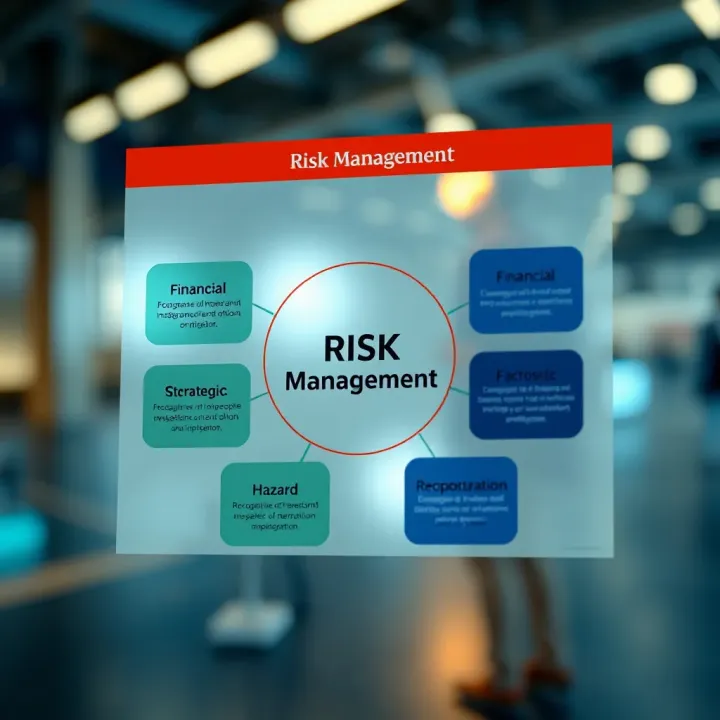
Explore types of risk management📊 like financial, operational, and compliance risks, plus how Nigerian businesses can apply them to protect profits and reputation effectively🔐.

📊 Learn how Nigerian businesses and public institutions can spot risks early, set clear goals, and build strong foundations for managing risks effectively.
Based on 15 reviews