
Forex Trading Companies in Nigeria: Key Facts
Explore key insights on forex trading companies in Nigeria 🇳🇬. Learn how to spot legit brokers, understand licensing, and avoid common scams. Stay informed and trade smart with this guide.
Edited By
Henry Morgan
Forex trading companies provide the platforms and tools that allow traders to exchange one currency for another. In Nigeria, these firms play an important role in connecting local and international markets. They serve individuals, businesses, and investors looking to profit from fluctuations in foreign exchange rates.
Most forex companies offer online trading software where you can buy and sell currencies like the US dollar, euro, or pound sterling against the naira. These platforms typically include real-time price charts, order execution facilities, and account management features. For example, a trader might use the platform to exchange ₦500,000 into US dollars when the exchange rate looks favourable.
Understanding how these companies operate helps you make more informed decisions when choosing a trading partner. Legitimate firms are usually regulated by authorities such as the Securities and Exchange Commission (SEC) Nigeria and ensure client funds are securely held. Beware of unregistered companies offering unrealistic returns or pressure tactics; such firms can cause significant financial loss.
Forex companies earn mainly through spreads—the difference between buying and selling prices—and sometimes through commissions on trades. Their success depends on reliable technology, tight spreads, and trustworthy customer relations.
Choosing the right forex trading company is crucial for protecting your capital and improving your chances of success.
In this article, we will explore the types of services forex companies offer, how to identify legitimate operators in Nigeria, key factors that affect trading outcomes, and the risks you must consider. This knowledge will equip you with practical advice to navigate the forex space confidently, especially given the challenges in the local market, such as naira volatility and regulatory shifts.
Whether you are a student learning about forex or a seasoned investor seeking clarity, understanding these basics is the first step towards engaging in Nigeria's fast-evolving forex trading environment.
Forex trading companies act as critical players in the currency market. They make it possible for individuals and businesses to buy and sell foreign currencies by providing reliable platforms and services. Without these companies, traders would find it difficult to access the complex foreign exchange (forex) markets, which operate 24/7 and involve numerous currency pairs.
At their core, forex trading companies bridge the gap between buyers and sellers of different currencies. This is especially useful for Nigerian traders who want to access dollars, euros, pounds, or other currencies without visiting banks or official bureaux de change. For example, a company like Oanda or ForexTime (FXTM) offers real-time currency conversion at competitive rates, allowing users to act quickly when the naira-dollar exchange rate fluctuates. This facilitation extends to providing liquidity, ensuring that even smaller retail traders can enter the market without difficulty.
Beyond currency exchange, these companies offer specialised trading platforms. These platforms—such as MetaTrader 4 and 5 or their own proprietary software—serve as the workspace where traders analyse charts, execute orders, and manage their positions. Nigerian traders benefit from platforms that work well on both desktop and mobile, fitting into the on-the-go lifestyle common in Lagos or Abuja. Good platforms offer fast execution speeds and a range of tools, such as real-time pricing, multiple chart types, and demo accounts, to help users trade wisely.
Forex companies often supply market insights to inform trading decisions. This includes daily or weekly reports highlighting currency trends, economic indicators, and geopolitical events influencing exchange rates globally and locally. For instance, knowing how Central Bank of Nigeria (CBN) monetary policy adjustments might affect the naira can help traders adapt their strategies. Some firms provide live webinars and news feeds to keep traders updated, helping reduce guesswork and improve timing.
One key service is offering leverage, which means traders can control larger currency positions than their initial capital. For example, a leverage of 1:100 allows a trader to open a ₦100,000 position with just ₦1,000. While this magnifies potential profits, it also increases risk substantially. Nigerian traders must understand that margin trading demands careful money management to avoid heavy losses—especially because the currency markets can be quite volatile during periods of economic uncertainty or political events.
Many forex companies recognise that trading is challenging for newcomers. To support beginner traders, they provide educational materials like video tutorials, eBooks, and interactive courses explaining basics such as currency pairs, trading strategies, and risk management. Demo accounts, which simulate real trading without risking actual money, allow beginners in Nigeria to practise trading with naira or virtual funds. This hands-on learning builds skill and confidence before committing real capital.
Forex trading companies do more than just connect you to currency markets—they equip you with the tools, knowledge, and support needed to trade effectively in a challenging market.
Understanding what these companies do helps Nigerian traders to select suitable platforms and services that fit their goals and risk appetite.
Understanding how forex trading companies work is vital if you want to make informed decisions as a trader or investor. These companies act as intermediaries between you and the global currency markets, offering various services that affect your trading cost, speed, and security. Knowing their business models and the technology they use can help you choose the right partner, avoid hidden fees, and leverage tools effectively.
Most forex trading companies make money through spread and commission fees. The spread is the difference between the buying (ask) and selling (bid) price of a currency pair. For example, if the EUR/USD pair is quoted at 1.1700/1.1702, the spread is 0.0002, or 2 pips. Companies either charge this spread directly or add commissions on top of tighter spreads. Nigerian traders should compare brokers because some may advertise zero commission but with wider spreads, meaning you pay indirectly.
Alongside spreads and commissions, swap and rollover charges apply when a trader holds a position overnight. These fees reflect the interest rate differences between the two currencies involved. Say you buy USD/NGN and keep the trade open past 5 pm WAT, your broker may either credit or debit your account based on the swap rate. It's practical for traders planning to hold positions longer to factor these charges into their strategies to avoid unexpected costs.
Additional service fees can come in various forms: account maintenance fees, deposit or withdrawal charges, or fees for accessing premium research or signals. Some companies may impose inactivity fees after extended periods without trading. For instance, a broker might charge ₦2,000 monthly if your account remains dormant for 90 days. Always check the fee schedule before opening an account to avoid surprises.
Trading platforms are the frontline tools traders use daily. Globally popular software like MetaTrader 4 and MetaTrader 5 remain widely available in Nigeria, offering essential features like charting, technical indicators, and automated trading through Expert Advisors. Some companies also develop proprietary platforms tailored for specific client needs, integrating local payment methods or news feeds relevant to the Nigerian market. Choosing a company with a reliable, user-friendly platform affects your ability to respond quickly to market changes.
Mobile and desktop accessibility is another key factor. Many traders in Nigeria rely on mobile devices due to frequent power outages and internet fluctuations. Companies offering well-optimised apps allow seamless trading on the go, whether via smartphone or tablet. Desktop platforms often provide more analytical tools and faster execution, preferred by experienced traders. Access across multiple devices ensures you are not locked out of your account during crucial market moves.
Security measures for client funds are non-negotiable. Reliable forex companies separate client money from operational funds, often holding deposits in reputable Nigerian or international banks. They employ encryption technology and two-factor authentication (2FA) to protect accounts. Given the rise of scams and fraudulent schemes in Nigeria, verifying these protections before trading can shield your capital from theft or loss.
Always insist on transparency about fees, platform capabilities, and security when picking a forex company. This knowledge helps you trade confidently without falling prey to hidden charges or scams.
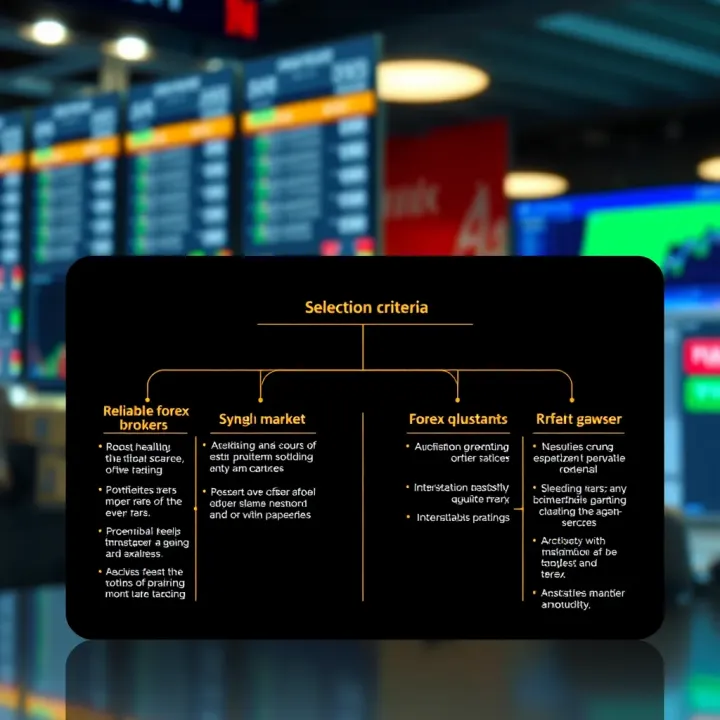
Picking a trustworthy forex trading company is vital for anyone entering Nigeria's forex space. With the rise in online platforms, the risk of encountering unregulated or fraudulent companies has also grown. Choosing a reliable firm ensures your funds are safe, the trading conditions are fair, and you have access to proper support when needed. For instance, a trader who used a regulated company like FXTM or HotForex Nigeria experienced fewer hiccups than others who went with an unlicensed broker. It also impacts the ease of withdrawals and the clarity of trading terms, both essential for smooth operations.
Regulation serves as the backbone for trust in forex trading. In Nigeria, the Securities and Exchange Commission (SEC) plays a key role in licensing forex companies. SEC Nigeria requires firms to meet strict criteria before they can legally operate, such as submitting financial reports and proving sufficient capital reserve. This protects traders from fraudulent activities and ensures companies follow legal standards. A company approved by SEC offers a visible assurance that your money is in safer hands.
The Central Bank of Nigeria (CBN), meanwhile, sets policies that directly affect forex trading operations. Although CBN restricts official forex dealings to licensed banks and authorised dealers, many forex companies operate through partnerships or overseas regulatory frameworks. Traders must understand CBN’s rules on foreign exchange controls and capital flows to avoid running foul of currency regulations, especially during periods of naira volatility where the CBN often adjusts intervention strategies.
User reviews and testimonials provide a valuable insight into a forex company’s real-world performance. Traders should check forums, social media, and independent review sites to see how others rate their trading experiences. Positive feedback on fast withdrawals, fair spreads, and platform reliability are strong indicators of a reputable company. Conversely, many complaints about delayed payments or unexpected fees are red flags.
Having local customer service is another important factor. Nigerian traders often need quick answers in their time zone, preferably with staff who understand local contexts like the country’s banking delays or internet challenges. A reputed company usually offers phone support, email, and live chat tailored for Nigerian clients. Without reliable customer care, problems can escalate and lead to unnecessary losses or frustrations.
Transparency in fees and operations rounds out the evaluation process. Companies must clearly disclose all charges, including spreads, commissions, and rollover fees, before you start trading. Some firms bury crucial information in the fine print or advertise low spreads that widen during volatile periods. Nigerian traders benefit from companies that provide clear terms and regularly update trading conditions, as unexpected costs can quickly eat into profits.
Always take time to research and ask questions before committing your funds. The right forex company will not just offer a platform but will stand behind it with solid regulation, good support, and transparent practices.
Forex trading offers exciting profit potential, but it carries serious risks that every trader in Nigeria should understand. Knowing these risks helps you prepare, manage your expectations, and avoid costly mistakes. Many traders jump in without thinking about market swings or shady operators, only to lose piles of money or fall victim to scams. This section will highlight the key hazards, so you can tread with caution.
Currency prices react sharply to global developments. For example, if the US Federal Reserve changes interest rates, the naira-dollar exchange rate might shift quickly. Political instability, like tensions in the Middle East, also causes sudden price swings. Traders must watch world news closely because these events affect demand for currencies. During Nigeria's 2023 election period, foreign investors’ uncertainty caused naira volatility, reminding traders how local politics also sway forex markets.
Leverage lets you control big amounts with a small deposit, increasing both profit and risk. Say you invest ₦10,000 with 50:1 leverage; you effectively control ₦500,000. A 2% drop wipes out your capital fast. Many beginners get tempted to use high leverage without proper risk control, ending up with deep losses. It’s common for new traders to blow accounts after a few bad trades because they didn’t manage leverage wisely. Using stop-loss orders and limiting leverage ratios reduce these dangers.
Unfortunately, the booming interest in forex attracts rogue operators who exploit unsuspecting Nigerians. Genuine forex trading firms must be licensed by the Securities and Exchange Commission (SEC) Nigeria. Companies claiming massive returns without SEC registration are red flags. For instance, some unlicensed platforms promise daily double returns but vanish with investors’ funds. Before trading, confirm the company’s regulatory status on SEC’s official list to avoid fraudulent firms.
Scammers use tricks like aggressive cold calls, fake testimonials, or promising guaranteed profits. Another popular scam is “signal selling” where supposed experts charge hefty fees for useless trade tips. Some fraudulent companies delay withdrawals or create complex procedures to hold onto traders’ money longer. Always beware of platforms asking for unusually high initial deposits or pushing you to trade impulsively. Trusted companies offer clear terms, easy withdrawals, and education to build your skills rather than push you into risky deals.
Always check regulatory approval, manage leverage carefully, and stay alert for scams. Forex trading can be rewarding, but only when you understand the risks and protect yourself from pitfalls.
With these risks in mind, you’re better equipped to choose the right forex company and trade more safely in Nigeria’s dynamic market.
In forex trading, success doesn't come by luck alone; several key factors influence how well traders perform. Understanding these factors helps traders in Nigeria make informed decisions, manage risks better, and improve their chances of making consistent profits. This section focuses on two critical areas: trader education and skill development, and the effective use of trading tools.
Utilising educational materials and tutorials is fundamental for anyone serious about forex trading. Reliable trading companies often provide access to webinars, video tutorials, eBooks, and market analyses that simplify complex concepts. These resources help traders grasp how currency pairs move, what influences exchange rates, and how to read economic indicators. For example, a beginner learning with GTBank’s forex platform might start with their tutorial videos, gaining solid grounding before putting real money on the line.
Besides theory, practical exposure is crucial. The importance of demo accounts for practice cannot be overstated. Demo accounts simulate real-market conditions without risking actual funds, allowing traders to test strategies and familiarise themselves with the platform. Take OPay’s demo feature: it allows a trader to navigate live charts and practise placing buy or sell orders. This hands-on experience builds confidence and prevents costly mistakes when real money is involved.
Technical indicators and charting software give traders an edge by providing visual cues for market trends and possible entry or exit points. Common tools include Moving Averages, Relative Strength Index (RSI), and Bollinger Bands. Nigerian traders frequently use MetaTrader 4 or 5 platforms, which support these tools and offer customizable charts. For instance, a trader spotting a rising RSI could infer an overbought market and decide to sell before prices drop.
Alongside analysis tools, risk management features and stop-loss orders protect traders from severe losses. A stop-loss order automatically closes a trade once it hits a set price, limiting downside in volatile markets. For example, setting a stop-loss when buying EUR/USD can cap losses if the naira weakens unexpectedly due to local political events. Trading companies like Access Bank’s forex desk provide easy ways to set and adjust stop-loss orders, helping traders stick to their risk tolerance.
Mastering education and using tools wisely helps traders navigate the complexities of forex markets. Without these, even the best trading company cannot guarantee success.
Overall, investing time in learning and effectively applying trading tools increases a trader’s chances of profitability and sustainability in Nigeria’s dynamic forex environment.
Explore key insights on forex trading companies in Nigeria 🇳🇬. Learn how to spot legit brokers, understand licensing, and avoid common scams. Stay informed and trade smart with this guide.
🌍 Discover practical tips for forex trading in Nigeria! Learn how to pick trusted brokers, understand local rules, avoid mistakes, and sharpen your skills.
💹 Explore forex trading designed for Nigerians! Learn key concepts, spot risks, and get practical tips to trade currencies confidently and smartly.
Explore forex trading in Nigeria 🇳🇬 with tips on brokers, strategies, risks, regulations, and market opportunities to trade smarter and safer 💹
Based on 5 reviews