
Best Forex Trading in Nigeria: Practical Tips
🌍 Discover practical tips for forex trading in Nigeria! Learn how to pick trusted brokers, understand local rules, avoid mistakes, and sharpen your skills.
Edited By
Emma Collins
Forex trading has gained significant attention in Nigeria, especially among young investors and tech-savvy traders seeking alternative income streams. Yet, understanding how forex trading companies operate locally is essential before putting your money on the line.
Most forex trading companies in Nigeria act as intermediaries, connecting individual traders to global currency markets through online platforms. They offer access to pairs like USD/NGN, EUR/USD, and GBP/USD, allowing users to speculate on currency price movements.
These companies typically provide a trading platform, leverage options, market analysis, and customer support. Popular platforms used in Nigeria include MetaTrader 4 (MT4), MetaTrader 5 (MT5), and proprietary apps developed by brokers such as FXTM, HotForex, and InstaForex.
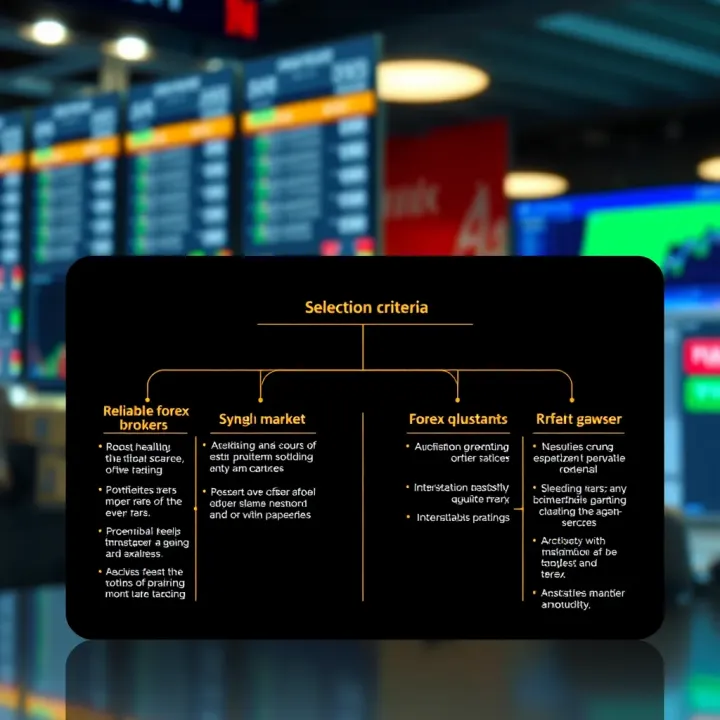
Licensing: Ensure the company is registered with the SEC Nigeria or holds a credible international licence (e.g., from FCA UK or CySEC). A tracker of SEC-regulated brokers is essential to confirm legitimacy.
Trading Conditions: Scrutinise spreads, leverage limits, and minimum deposit requirements. Nigerian forex traders often prefer brokers offering low initial deposits — some as low as ₦5,000 — and reasonable leverage, typically capped at 1:100.
Withdrawal Process: A common complaint involves delays or denial of withdrawal requests. Always check customer reviews to verify the broker's reliability in processing payments.
Customer Support: Access to responsive local support matters, especially considering time zone differences and communication barriers. Brokers with Nigerian-based offices or helplines offer an advantage.
Educational Material: Top-tier companies provide tutorials, webinars, and market insights tailored for Nigerian traders, helping beginners avoid common pitfalls.
Choosing the right forex trading company in Nigeria requires more than chasing big profits. Verify credentials, understand fees and policies, and never risk more than you can afford to lose. The forex market can be rewarding if approached wisely and cautiously.
Forex trading companies serve as bridges between individual investors and the global foreign exchange markets. For Nigerians interested in forex trading, understanding these companies helps in making informed choices that protect investments and maximise chances for profit. Many Nigerians see forex trading as a way to diversify income, especially with the naira’s volatility and the challenges in local markets.
Forex trading companies provide platforms and tools for buying and selling currencies. They offer access to currency pairs like USD/NGN, EUR/USD, and GBP/USD. Besides executing trades, they sometimes provide market analysis, educational resources, and customer support tailored to Nigerian traders’ needs. For example, a company may offer training materials explaining how CBN’s monetary policies influence forex rates.
These firms act as intermediaries, maintaining liquidity and ensuring orders are matched either directly on global markets or within their internal systems. Some local brokers may aggregate trades and send combined orders to international markets, while international brokers may allow Nigerians direct access to broader markets. Importantly, they manage funds securely and offer leverage options—though leverage comes with increased risk.
Nigerian investors start by opening trading accounts with forex companies, funding them typically via bank transfers, USSD codes, or digital payment platforms like Paystack. Trades are placed on currency movements, aiming to profit when a currency strengthens or weakens against another. For instance, if a trader expects the naira to weaken against the dollar due to economic factors, they might buy USD/NGN currency pair to benefit.
Trading platforms provided by these companies—often MetaTrader 4 or 5—display real-time market prices and allow placing various order types: market orders, stop-loss, and take-profit. These features help investors limit losses or lock in profits amid the fast-moving forex markets.
Nigerian traders must understand that forex trading involves risks, especially due to unpredictable events like political shifts or Central Bank intervention. Hence, choosing credible forex companies, understanding trading mechanics, and risk management are critical.
In summary, knowing how forex trading companies operate enhances your ability to navigate Nigeria’s forex scene, avoid scams, and use the right tools and strategies to improve your trading outcomes.
Regulation and licensing define the legitimacy and safety of forex trading companies in Nigeria. Without proper oversight, traders risk falling victim to scams or unreliable brokers that might mishandle their funds. Understanding how forex brokers are regulated helps investors choose firms that operate transparently and in line with local laws.
The Securities and Exchange Commission (SEC) Nigeria is the primary regulator for forex brokers operating within Nigerian borders. SEC Nigeria’s role includes vetting brokers, ensuring they have adequate capital, maintain proper accounting standards, and safeguard clients’ funds separately from the company's operating capital. The commission also enforces compliance with anti-money laundering (AML) rules. For example, in recent years, SEC Nigeria has cracked down on unlicensed forex firms that promised unrealistic returns but ultimately defrauded investors. This enforcement protects traders and raises the overall credibility of the Nigerian forex market.
SEC Nigeria requires all forex brokers to obtain a licence to legally offer trading services in the country. This licence acts as a confirmation that the broker meets regulatory standards, making it safer for Nigerian traders to engage without fear of sudden company collapse or fund theft. Traders can verify a broker’s registration status via SEC’s official publication or website, which helps weed out dubious companies.
Licensing offers practical benefits to you as a trader. First, it assures you that the broker must adhere to minimum operational standards. These include transparent pricing, fair trading execution, and protection against conflicts of interest. For instance, licensed brokers cannot manipulate quotes to trigger unwarranted losses on your trades.
Second, licensed brokers are often required to participate in investor compensation schemes. This means if the broker collapses, your deposited funds might be partially recoverable. This kind of protection is rare with unregulated entities.
Third, licensing means brokers are more likely to provide local customer support and comply with Nigerian tax and reporting rules. This adds a layer of convenience and legal compliance that benefits Nigerian traders.
Always check for a valid SEC licence number before opening an account. Avoid brokers promising guaranteed profits or excessive leverage beyond regulatory limits (usually capped at 1:50 in Nigeria).
In summary, choosing a licensed forex broker is a necessary step to minimise risks, secure your investment, and trade on a platform with accountable governance. Forex trading is risky enough without adding the uncertainty of unregulated companies into the mix. Protecting your capital starts with identifying brokers who have proper SEC accreditation.
Understanding the landscape of popular forex trading companies in Nigeria helps investors make smart decisions. These companies provide the platform, tools, and sometimes education needed to trade currencies. Recognising reputable firms offers protection against scams and poor trading experience. This section breaks down key players into local brokers rooted in Nigeria and international firms that Nigerians can access.
Local brokerage firms operate within Nigeria’s regulatory framework, often registered with the Securities and Exchange Commission (SEC). These brokers understand the unique challenges Nigerian traders face, such as naira volatility and restricted access to foreign platforms during tough exchange rate periods.
Examples of well-known local brokers include Profectus Capital Markets and CardinalStone Securities. These firms often provide services beyond forex, such as investing in stocks and fixed income, but have growing forex trading arms. One practical advantage of local brokers is easier naira deposit and withdrawal processes, typically through local banks like GTBank or Access Bank.
Local firms also tend to offer customer support that speaks your language and time zone, and sometimes host physical offices or trading seminars in Lagos or Abuja. However, these brokers might offer fewer currency pairs or less advanced platforms compared to international firms.
International brokers have long been popular among Nigerian traders for offering a wide range of currencies, advanced charting tools, and leverage options. Popular brokers such as XM, FXTM, and HotForex accept Nigerian traders and cooperate with Nigerian banks or fintechs to ease deposits and withdrawals.
These brokers often provide MetaTrader 4 and 5 platforms, known for their comprehensive analysis tools. They may also feature lower spreads and more flexible trading conditions, making them attractive for both beginners and experienced traders.
However, international brokers usually operate outside Nigerian regulation, so Nigerians bear the responsibility to verify their reputation, licensing in other jurisdictions, and avoid unsolicited calls from unverified agents.
Choosing between local and international brokers depends on your trading style, desired features, and risk appetite. Never rush; always verify licences, test demo accounts, and be cautious of brokers promising unrealistic returns.
Local brokers offer ease with deposits/withdrawals and local customer service
International brokers typically provide more currency options and advanced platforms
Always verify licensing status, whether Nigerian SEC or reputable global bodies
Start with demo accounts to test platforms before committing funds
By knowing the offerings and limitations of both local and international firms, Nigerian forex traders can select companies that suit their needs and trading goals effectively.
Forex trading platforms are the backbone of every trader’s experience. In Nigeria, the choice of platform can significantly impact how smoothly you access the forex market, execute trades, analyse trends, and manage risk. Beyond just connecting to brokers, reliable trading platforms come with tools and features that influence your decision-making and ultimately your success.
MetaTrader 4 (MT4) and MetaTrader 5 (MT5) remain the most popular forex trading platforms used by Nigerian traders. Their widespread adoption is due to user-friendly interfaces combined with powerful charting and analytical tools. MT4, launched in 2005, is favoured for its simplicity and wide broker acceptance, especially among beginners and intermediate traders.
MT5, introduced later, offers more advanced features like more timeframes, additional order types, and an economic calendar. These enhancements allow for more sophisticated trading strategies, which some experienced Nigerian traders prefer. Despite MT5’s upgrades, MT4 still holds strong, mainly because many local and international brokers offer it and most Nigerian traders are already comfortable with its layout.
Both platforms support automated trading through Expert Advisors (EAs), which can execute trades on your behalf after being programmed with your strategy. This automation is particularly appealing in Nigeria, where volatile market conditions can make manual trading stressful.
When selecting a trading platform, Nigerian traders should prioritise features beyond just price charts. Look for:
Ease of Use: The platform should have an intuitive interface, avoiding needless complexity that could hamper quick decision-making.
Speed of Execution: Delays can mean lost opportunities. Choose platforms with fast order execution to respond effectively to market moves.
Security: Ensure the platform has robust encryption and data protection mechanisms. Nigerian traders often face cyber threats, so security is not just a bonus but a necessity.
Mobile Accessibility: With many traders depending on smartphones, the platform should have a dependable mobile app that provides full functionality.
Diverse Asset Access: Apart from forex pairs, some platforms offer CFDs on stocks, commodities, and indices. If you want to diversify your portfolio, this feature is useful.
Analytical Tools: Indicators, drawing tools, and real-time news feeds help with informed trading decisions.
Customer Support: Local brokers often provide direct support, but if using international platforms, 24/7 support is valuable.
Choosing the right platform is as important as selecting a reliable broker. It shapes your entire trading experience from start to finish.
In Nigeria’s dynamic forex market, combining a trusted broker with a capable trading platform like MT4 or MT5 can give you the edge needed to trade confidently and effectively. Whether you are a new entrant or a seasoned investor, understanding and leveraging these platforms will help you stay on top of the game.
Forex trading in Nigeria offers opportunities to grow wealth, but it's not without risks. Understanding these risks and taking proper precautions help protect your capital and avoid common pitfalls. Many newbie traders rush in without fully grasping the dangers, putting their hard-earned money on the line. This section highlights key hazards and precautions unique to Nigeria's forex market, helping you trade smarter.
Scams in the forex space have become widespread, especially targeting Nigerians eager to invest. One popular trick involves fake forex brokers who lure traders with promises of guaranteed profits. They often disappear after receiving funds or manipulate trading platforms to show false gains. Another scheme is the infamous Ponzi or pyramid structure disguised as forex investment, which collapses once recruiting slows down.
To steer clear of scams, always verify if the forex company is registered with the Securities and Exchange Commission (SEC) Nigeria. Also, check for user reviews and credible testimonials. Be wary if a broker pressures you to deposit large sums quickly or guarantees massive returns. A genuine broker will be transparent about risks and will not rush your decisions.
Keep all communication records and avoid sharing sensitive information like your BVN and bank details unnecessarily. Scammers can use this data for fraudulent activities.
Choosing a trustworthy forex company requires deliberate research and caution. Start by confirming the broker’s regulatory status with SEC Nigeria. Regulated brokers comply with local laws, making them more accountable.
Next, evaluate the trading conditions such as spread costs, leverage limits, and withdrawal processes. A reliable broker provides clear, fair terms without hidden fees. Additionally, select companies offering popular trading platforms like MetaTrader 4 or 5, as these are tested and widely used in Nigeria.
Customer support is another critical factor. Reliable brokers offer prompt, responsive service through multiple channels. It helps when you encounter challenges or require market insights. Also, ensure the broker provides educational materials or demo accounts, which are vital for building skills safely.
Lastly, consider recommendations from seasoned Nigerian forex traders or financial analysts. Their experiences provide practical insights that raw data might not reveal.
Taking these precautions not only safeguards your investment but also helps foster confidence in your trading journey. Forex trading isn’t a quick ticket to riches, but with the right partner and knowledge, you can reduce risks and build steady gains over time.
🌍 Discover practical tips for forex trading in Nigeria! Learn how to pick trusted brokers, understand local rules, avoid mistakes, and sharpen your skills.
💹 Explore forex trading designed for Nigerians! Learn key concepts, spot risks, and get practical tips to trade currencies confidently and smartly.
Explore forex trading in Nigeria 🇳🇬 with tips on brokers, strategies, risks, regulations, and market opportunities to trade smarter and safer 💹
📈 Discover how to trade forex live from Nigeria, master strategies, choose top platforms, understand risks, and maximise profits in Nigeria's unique market environment.
Based on 15 reviews