
Best Forex Trading in Nigeria: Practical Tips
🌍 Discover practical tips for forex trading in Nigeria! Learn how to pick trusted brokers, understand local rules, avoid mistakes, and sharpen your skills.
Edited By
Isabella Foster
Live forex trading refers to actively buying and selling currency pairs in real time through an online trading platform. Nigerian traders interested in live forex should understand that unlike traditional investing, forex trading requires quick decisions based on market movements that can change within seconds.
It offers access to the global market 24 hours a day, which suits Nigerians juggling other commitments.
Low initial capital is needed compared to stocks or real estate.
The possibility of profit even in a declining market through short selling.
However, live forex trading is not a get-rich-quick scheme. Successful trading depends heavily on proper strategies, disciplined risk management, and continuous learning. The fast pace means mistakes can cost real money instantly.
Understand the basics before you start trading live. It’s wise to start on demo accounts offered by platforms such as Olymp Trade, FXTM, or IG before risking real funds.
Key points for starting live forex trading in Nigeria:
Choose a regulated and reliable forex broker: Look for brokers registered with global or Nigerian financial authorities. Verify their track record and customer service.
Learn market fundamentals and technical analysis: Grasp how economic indicators like the naira exchange rate, oil prices, or global interest rates impact currency pairs.
Use proper risk management tools: Always set stop-loss and take-profit levels to limit losses and secure gains.
Start small with your trading capital: Many brokers allow you to trade with as little as ₦20,000, which is enough to begin practising safely.
Be mindful of trading hours: Forex markets operate 24/5 globally, but the best trading activity for pairs involving the naira usually aligns with the London and New York sessions.
In sum, live forex trading offers exciting opportunities for Nigerians ready to commit time and effort. It demands discipline, patience, and an understanding that losses are part of the learning curve. With the right approach, local traders can navigate this market to complement their income or investment portfolio.
Grasping the concept of live forex trading is essential for anyone looking to succeed in Nigeria’s dynamic financial landscape. Unlike theoretical knowledge or demo trading, live trading involves interacting with real money and constantly changing market conditions. This understanding helps traders manage risks better and adapt strategies to the fast-moving forex market.
Live forex trading means buying and selling currency pairs using real money in a market that operates 24 hours on weekdays. Unlike demo accounts, where you trade with virtual funds in a simulated environment, live trading exposes you to actual profits and losses. It’s a step up in seriousness because emotions and money are involved.
This practice has practical relevance because decisions made during live trading impact your investment directly. For instance, a Nigerian trader investing ₦100,000 in EUR/USD pair must be ready for sudden price swings that could either earn or erode this amount within minutes.
Real-time market engagement is crucial in live forex trading. Traders respond to live price movements, which depend on global economic events or sudden shifts in market sentiment. Nigerian traders who stay alert can exploit these quick changes to make beneficial trades instead of relying on outdated information.
In practice, this means constantly monitoring your trading platform for updates, news releases, or market indicators. Missing a key announcement—such as the Central Bank of Nigeria’s (CBN) policy changes—can lead to unexpected losses.
Forex trading happens via currency pairs; every trade involves buying one currency while selling another. For example, in USD/NGN, you’re speculating on how many Nigerian Naira one US dollar can buy. Prices are quoted as bid (sell) and ask (buy) values.
Understanding this matters because interpreting these quotes correctly helps traders spot good entry and exit points. If the USD/NGN pair is quoted at 460.50/460.70, buying at 460.70 means you expect the dollar to strengthen against the naira.
Market hours relevant to Nigerian traders align with major forex sessions worldwide—Asian, European, and US markets. The London and New York sessions overlap during Nigerian daytime hours, making afternoon trading more active and liquid.
This timing matters because liquidity affects spreads and the ease of executing trades. For example, trading USD/NGN during London session hours often offers tighter spreads compared to the quiet Asian session, improving profitability.
Focusing your live forex activities around active market hours increases your chances of smoother transactions and better price movements to capitalise on.
Understanding these basics lays the foundation for moving forward into deeper strategies and practical setups tailored to Nigeria’s unique forex environment.
Before diving into live forex trading, setting up properly is vital for success. This stage lays your foundation: the right broker, platform, and account type can make the difference between smooth trading and constant headaches. For Nigerian traders, these decisions must consider local market realities, including currency fluctuations, regulatory environment, and access to payment methods.
When selecting a forex broker, Nigerians should prioritise features that suit their specific needs. Key elements include tight spreads, fast order execution, and the availability of the Nigerian Naira (₦) as a funding option. For instance, brokers that support local bank transfers or mobile wallets reduce delays and extra costs. Also, platforms with 24-hour customer support across different Nigerian time zones help tackle issues promptly, especially amid volatile market hours.
Safety is another major concern. Opt for brokers who offer negative balance protection to ensure traders don't lose more than their deposited capital. Moreover, look for straightforward user interfaces simplify managing open positions, account balances and trade histories. Prominent brokers operating in Nigeria often provide features tailored to local traders, such as educational resources on naira currency pairs.
Regulatory considerations and safety cannot be overlooked. While the Nigerian forex market is not directly regulated by the Central Bank of Nigeria (CBN), many Nigerian traders use brokers registered with globally recognised authorities like the Financial Conduct Authority (FCA) in the UK or the Cyprus Securities and Exchange Commission (CySEC). Such licenses indicate adherence to investor protection standards, including segregated client funds, regular audits, and dispute resolution mechanisms.
Avoid unregulated brokers, as scammers often exploit naive traders with unrealistic promises. Always verify broker credentials and check reviews from other Nigerians. Some brokers also provide KYC (Know Your Customer) procedures that align with local regulations, adding a layer of security.
Popular trading platforms among Nigerian traders include MetaTrader 4 (MT4), MetaTrader 5 (MT5), and cTrader. These platforms are favoured for their reliability, ease of use, and support for automated trading through Expert Advisors (EAs). They also work well on mobile devices—a crucial factor for many Nigerians who primarily trade via smartphones.
Aside from platform choice, the availability of advanced charting tools and technical indicators plays a critical role. These features help traders analyse price action, identify trends, and time entries or exits more effectively. For example, MT4 offers dozens of built-in indicators like moving averages and RSI, with options to add custom scripts. Having these tools at your disposal, especially during Nigeria’s typical market swings and naira volatility, allows more informed and timely decisions.
Forex brokers generally offer several account types: standard, mini, and micro. Standard accounts require higher minimum deposits (often starting at $1,000), suited for traders with more capital and who want to trade larger volumes. Mini accounts trade smaller lot sizes and accept lower deposits (from about $100 to $500), making them accessible for many Nigerians testing the waters. Micro accounts come with the smallest lot sizes and minimum deposits as low as $10; they’re ideal for beginners wanting to understand live trading without risking much.
Regarding leverage options and margin requirements, brokers may offer leverage ranging from 1:50 up to 1:500 or higher. Leverage lets you control larger positions with relatively small capital, but it amplifies both gains and losses. In Nigeria, given the naira’s fluctuations and sudden swings, caution is critical. For example, a leverage of 1:100 means you can trade ₦100,000 worth of currency using ₦1,000 of your money. However, this can drain your account fast during unexpected market movements.
Always use leverage responsibly and understand margin calls, which happen when your account equity falls below the required level. Smaller accounts benefit from lower leverage and prudent position sizing to prevent swift losses.
Setting up correctly isn’t just ticking boxes; it shapes your entire trading experience. For Nigerian forex traders, picking the right broker, platform, and account type helps manage risks and maximise opportunities in this fast-moving market.
Trading forex live in Nigeria requires not just knowledge but also sharp strategies to navigate the market. Effective strategies help you make informed decisions, manage risks, and maximise profits in a market that can be quite unpredictable due to local economic factors and global shifts. Nigerian traders must blend fundamental and technical approaches with sound risk management to thrive.
Economic data releases like GDP growth rates, inflation figures, and employment statistics can move currency prices significantly. For Nigerian traders, paying attention to these figures—from both domestic sources like the National Bureau of Statistics and international reports—is critical. For example, if Nigeria's inflation spikes unexpectedly, the naira could weaken, offering traders opportunities or warning signals to adjust their positions.
News events also affect forex markets rapidly. Political developments, election outcomes, or changes in oil prices often shake the currency markets in Nigeria. A trader who follows news closely can anticipate price movements and position accordingly to avoid losses or seize gains.
The Central Bank of Nigeria (CBN) has a strong influence on the naira's value through monetary policies such as interest rate adjustments and forex interventions. When CBN raises its Monetary Policy Rate (MPR), it often supports a stronger naira by attracting foreign investment. Conversely, forex restrictions or changes in official exchange rates can stir volatility.
For example, in the past, when CBN tightened forex supply to conserve reserves, naira's parallel market rate diverged sharply from the official rate. Traders aware of these policy moves use this to their advantage, timing entries or exits with the help of official statements and policy announcements.
Support and resistance are crucial price levels where the market tends to pause or reverse. For instance, if the USD/NGN pair repeatedly bounces back from ₦460, this level acts as support. Recognising these points helps traders set entry or exit orders more strategically.
Knowing when the price breaks through resistance or support can indicate strong trends forming. For Nigerian traders, marking these levels on charting platforms like MetaTrader or TradingView provides practical cues amid the market noise.
Following trends ensures you move with the market rather than against it. Indicators like Moving Averages (MA) help smooth price data, revealing upward or downward trends over days or weeks.
Momentum indicators, such as the Relative Strength Index (RSI), reveal whether a currency pair is overbought or oversold. For example, if the naira is oversold against the dollar (RSI below 30), a trader might expect a rebound and consider buying. These tools give Nigerian traders a timely picture for smarter trade decisions.
Managing how much of your capital you risk on a single trade (position sizing) protects against huge losses. Nigerian traders often risk between 1% to 3% of their account per trade to avoid blowing their funds during volatile sessions.
Stop-loss orders automatically close a trade at a predetermined level to limit loss. For example, if you buy EUR/USD at 1.1000, setting your stop-loss at 1.0950 caps your loss at 50 pips.
Using these tools keeps your trading sustainable, especially when the Nigerian market adds its own twists.
Volatility in Nigeria forex trading can stem from factors like sudden fuel price changes or geopolitical tensions affecting the naira. This volatility means prices may swing wildly within short periods.
To handle this, traders use wider stop-loss limits or reduce leverage during high-risk periods. Also, avoiding trading during major local events or at market open and close times can reduce exposure to erratic moves.
Successful live forex trading in Nigeria mixes solid fundamental understanding, clear technical signals, and strict risk control. Strategies tailored to local realities make all the difference between rising profits and unexpected losses.
Live forex trading is not without its hurdles, especially in the Nigerian context where unique factors add complexity. Understanding common challenges prepares you to navigate risks better, protect your capital, and improve your chances of consistent profits. This section focuses on key difficulties traders face and practical ways to manage them.
Nigeria's forex market often experiences sharp swings due to factors like fluctuating oil prices, regulatory announcements by the Central Bank of Nigeria (CBN), and socio-political developments such as election cycles or security issues. For instance, a sudden change in CBN's monetary policy rate can cause the naira to move unpredictably against the dollar. Similarly, exchange rate policies like the introduction or removal of multiple exchange rates create uncertainty, impacting forex prices.
External shocks, like shifts in global crude oil prices, also heavily influence the naira. Since Nigeria relies significantly on oil exports for foreign reserves, any dip in oil can tighten forex liquidity, causing wide price swings. Traders must track these local and global triggers closely or risk being caught on the wrong side of fast market moves.
To shield your trades from sudden volatility, using stop-loss orders is essential. Place stop-loss levels based on technical support or resistance points rather than arbitrary percentages. This helps contain losses when the market turns sharply. Also, consider reducing trade sizes during periods of expected uncertainty, such as just before elections or major economic announcements.
Diversifying your trades across different currency pairs can reduce exposure. For example, if you usually trade USD/NGN, include pairs like EUR/USD or GBP/USD to balance risks. Lastly, keeping an eye on offshore currency markets and global economic indicators helps anticipate price swings before they hit the Nigerian market.
Live forex trading can stir strong emotions, such as fear when the market dips or greed during quick gains. These feelings often push traders to make impulsive decisions—like exiting too early or chasing losses—which erode profits. Nigerian traders sometimes fall into these patterns, particularly beginners who may lack a robust trading plan.
To manage this, set clear entry and exit rules before trading and stick to them strictly. Using a trading journal to note your emotional state during trades helps identify triggers leading to rash choices. Over time, this awareness improves discipline and decision-making.
Staying disciplined means following your strategy even if the market gets tempting or frustrating. In Nigeria, distractions such as intermittent power supply or internet outages can disrupt focus. Being ready with backup power sources and reliable data connections is vital.
Another aspect is resisting the urge to overtrade just because a losing streak occurs. It’s better to pause, review what went wrong, and adjust rather than keep trading blindly. Developing patience and a methodical approach increases long-term success. Regularly reviewing your trades also helps maintain focus and refine your strategies effectively.
Staying calm and disciplined matters more than having a fancy strategy because forex markets can be unpredictable but a steady mind improves your edge.
In summary, addressing common challenges like volatility and psychological pressures with practical tools and strategies keeps your live forex trading experience in Nigeria sustainable and profitable.
Success in live forex trading requires more than just knowledge of currency pairs and market analysis. It demands discipline, patience, and smart decision making tailored to the unique challenges Nigerian traders face. This section focuses on practical tips that can help you build a strong foundation and avoid common pitfalls.
When beginning your live forex trading journey, it’s wise to start with a small capital. This conserves your resources while you sharpen your trading strategy and understand the market’s rhythm. For instance, instead of risking ₦100,000 on your first trades, beginning with ₦10,000 reduces exposure while letting you experience real-time market swings. As you gain confidence and consistent profits, you can increase your trading size gradually. This approach prevents emotional distress from big losses early on and builds a sustainable growth pathway.
Maintaining detailed records of all trades is key to long-term success. Track entry and exit points, position sizes, and reasons behind each trade. Also, note the outcome and your emotional state during trading sessions. Regularly reviewing these records reveals patterns in your behaviour and identifies which strategies work best. For example, you might find that trading around Central Bank of Nigeria announcements requires extra caution or that particular currency pairs respond well to your chosen technical indicators. Over time, this self-review sharpens your edge and helps avoid repeating costly errors.
Forex scams remain a big concern among Nigerian traders. Frauds often promise guaranteed returns, secret formulas, or insider tips that sound too good to be true. Pyramid schemes disguised as forex investments sometimes pop up on social media or WhatsApp groups targeting desperate or uninformed individuals. An example includes fake brokers who disappear once they collect clients’ funds or platforms that manipulate prices to cause losses purposely. Knowing these warning signs protects you from losing your capital unfairly.
Before funding any forex trading account or joining an investment scheme, carry out thorough checks. Confirm the broker’s regulation status with local bodies like the Nigerian Securities and Exchange Commission (SEC) or international regulators. Read reviews from other Nigerian users and test the platform using a demo account first. Be cautious with unsolicited offers, especially those demanding upfront payments or promising overnight profits. By taking time to investigate and verify, you lower the risk of scams and invest confidently in legitimate opportunities.
Consistent small steps, careful records, and vigilant checks against scams are the building blocks for successful live forex trading in Nigeria. These tips anchor you firmly as you navigate the dynamic forex market.
🌍 Discover practical tips for forex trading in Nigeria! Learn how to pick trusted brokers, understand local rules, avoid mistakes, and sharpen your skills.
💹 Explore forex trading designed for Nigerians! Learn key concepts, spot risks, and get practical tips to trade currencies confidently and smartly.
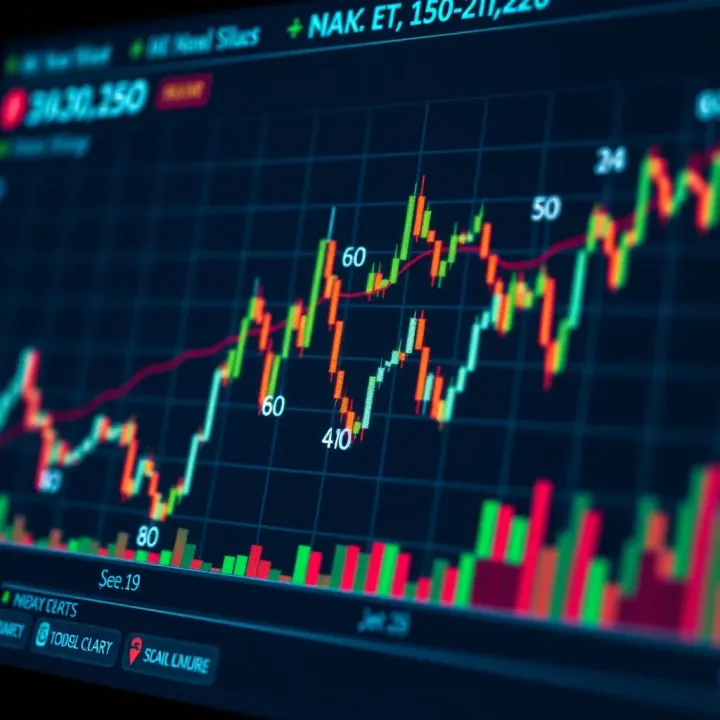
Explore forex trading in Nigeria 🇳🇬 with tips on brokers, strategies, risks, regulations, and market opportunities to trade smarter and safer 💹
Explore forex trading in Nigeria 🇳🇬 with this practical guide covering currency trades, strategies, risks, and tips to grow your ₦ safely in global markets 📈.
Based on 5 reviews