
How to Learn Forex Trading: A Guide for Nigerians
📈 Learn forex trading in Nigeria with clear steps on market basics, choosing reliable brokers, smart strategies, and managing risks safely for ₦ gains.
Edited By
Benjamin Hayes
Forex trading is more than just buying and selling currencies; it’s a culture of visuals and signals that guide decisions constantly. Nigerian traders, whether in Lagos or Kano, rely heavily on understanding these visual dynamics to navigate the often volatile currency market. This section breaks down the main components you’ll encounter on your trading screen and why they matter.
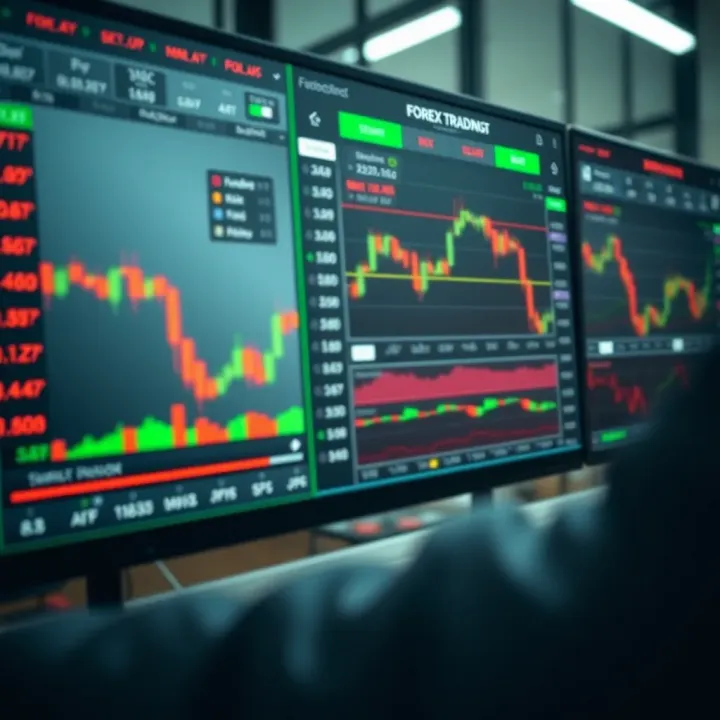
Charts are the heart of forex trading. The most common types are:
Line charts: Easy to understand, they connect the closing prices over a period. Think of it as tracking the daily naira-dollar rate at a glance.
Bar charts: Show more detail by displaying opening, closing, high, and low prices. Picture a mama put’s price tag fluctuating over a trading day in Abuja.
Candlestick charts: Popular among seasoned traders, these use coloured “candles” to represent price movement and momentum. A green candle could mean a strong push for the naira’s strength against the dollar.
Traders watch patterns formed on these charts to spot trends or reversals — a bit like reading a news headline before deciding to buy newspapers.
Platforms like MetaTrader 4, MetaTrader 5, or local platforms such as Cassava FX provide the interface where all the magic happens. They offer tools to draw trendlines, set alerts, and execute trades. Nigerian traders often prefer platforms that work well even with spotty internet, given power and connectivity issues.
Indicators help interpret price movements. Some common ones are:
Moving Averages (MA): Smooth out price data to identify direction.
Relative Strength Index (RSI): Measures market momentum to show if a currency is overbought or oversold.
Bollinger Bands: Indicate volatility by setting upper and lower trading bands.
Such tools are like weather forecasts: while not always perfect, they prepare you for what might come.
Understanding and interpreting visuals in forex is essential—not just for making trades but for protecting your capital in the unpredictable world of currency markets.
Most traders use a combination of charts, indicators, and timeframes:
Short-term scalpers watch 1-minute to 5-minute charts to capitalise on tiny price moves.
Swing traders might focus on 4-hour to daily charts, looking for bigger trends.
Position traders hold for weeks, relying on weekly charts and fundamental analysis.
Each approach comes with different visual demands on the trader’s screen, but mastery of these basics helps sharpen insight and sharpen trading decisions.
By getting familiar with these visual elements and how they interplay, you’re not just clicking buttons—you’re reading the pulse of the forex market like a pro, adding to your confidence and improving your ₦ trading game.
The visual elements in forex trading form the backbone of how traders analyse data and make decisions. Without clear visuals, the constant flow of currency prices and market news would be overwhelming. Understanding what’s on your screen helps you act fast and avoid costly mistakes. This is especially true for Nigerian traders who may face volatile market swings driven by both local economic factors and global events.
Forex trading typically involves multiple screens showing live price updates, detailed charts, and news feeds. A trader's workspace can range from a simple laptop window to a multi-monitor setup. Most platforms display a price ticker that updates every second, giving real-time reflection of currency pairs like USD/NGN or EUR/USD. These screens often include order execution buttons, a watchlist of currency pairs, and access to economic calendar events that impact market direction.
For example, a Nigerian trader using MetaTrader 4 (MT4) might see a chart window alongside an ‘Experts’ tab showing automated trading advice and an economic calendar highlighting upcoming Central Bank of Nigeria (CBN) announcements. These interfaces are designed to organise complex info into digestible chunks.
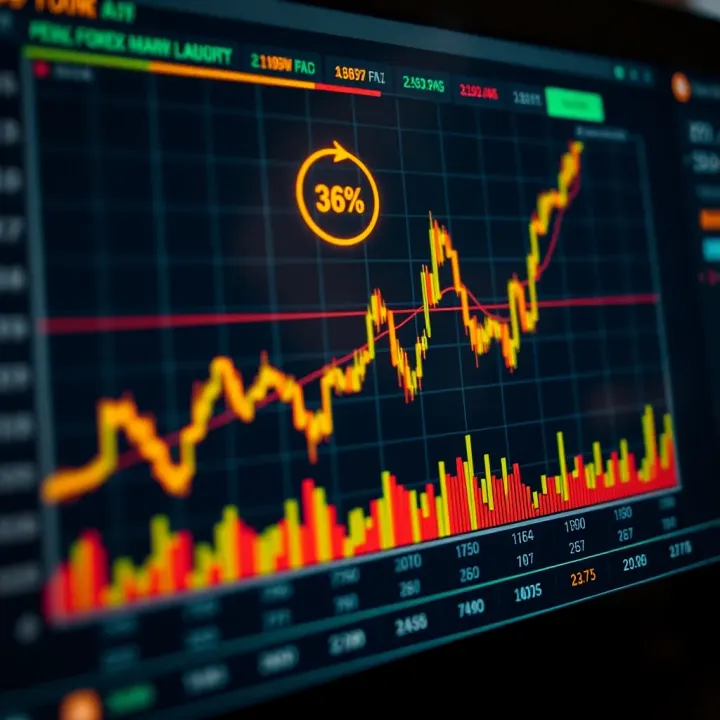
Charts are the heart of forex trading visuals. They translate numbers into trends and patterns you can follow at a glance. For instance, candlestick charts visually summarise price movements in a way that highlights trends and reversals, making it easier to spot buy or sell opportunities. Graphs also allow traders to overlay indicators like moving averages or Bollinger Bands, which help interpret price momentum.
Charts also enable Nigerian traders to react quickly to sudden changes in naira's value against other currencies. A sudden drop in the ₦/US$ chart might prompt immediate action before prices worsen. Thus, charts serve as practical tools to anticipate market direction rather than just historical records.
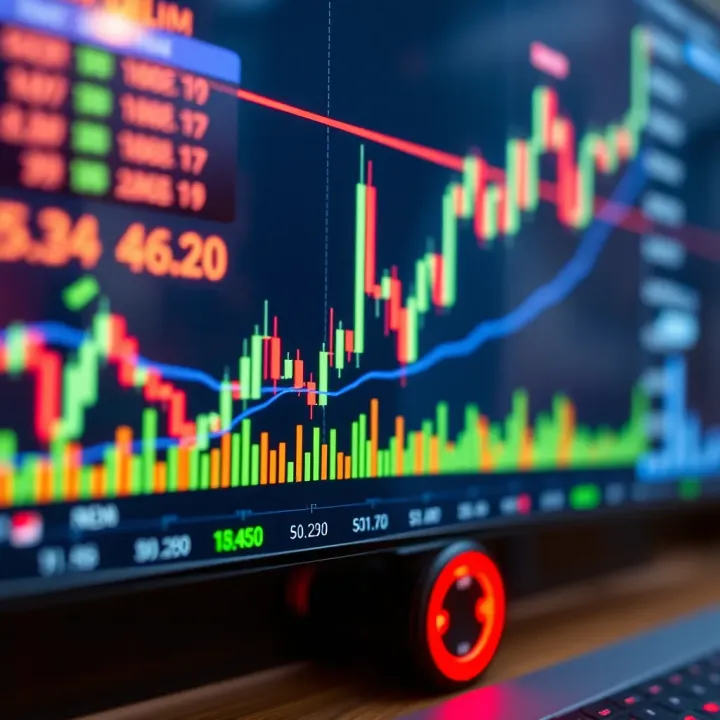
Market data floods in continuously, and visuals help distil this into manageable insights. Effective charts and dashboards allow traders to scan important signals within seconds. Instead of reading through pages of numbers, a glance at a chart can summarise if the market is trending up, down, or sideways.
In practical terms, this speed in interpretation can be the difference between gaining a profit or suffering loss, since forex markets move rapidly. Nigerian traders, juggling between forex and other commitments, depend heavily on visuals to stay informed with limited time.
Trends indicate the general direction of the market and spotting them is key. Visual tools help traders recognise patterns like 'head and shoulders', support and resistance levels, or breakouts. For instance, a clear upward trend on a USD/NGN chart might encourage a trader to buy the dollar early, expecting higher returns.
Visual trend recognition is especially useful in the Nigerian market, where external shocks such as oil price changes or policy decisions often trigger sharp currency movements. Learning to ‘read’ these trends through charts equips traders with the foresight to adjust their positions timely.
Clear, well-structured visuals in forex trading are not mere decoration; they are essential guides making the difference between informed decisions and guesswork.
Understanding the screens, charts, and how to interpret them quickly forms the first step towards confident trading in Nigeria’s forex market.
Forex charts are the backbone of technical trading, giving visual clues to the market's mood and potential moves. Nigerian traders rely heavily on these charts to make quick, informed decisions in a market that moves fast. Understanding the meaning behind each chart style helps you spot opportunities and manage risks effectively.
A candlestick chart displays individual price movements within a specific time frame, using shapes called "candlesticks". Each candlestick has four key elements: the opening price, closing price, and the highest and lowest prices reached during that period. The body of the candlestick shows the range between opening and closing prices, while thin lines above and below, called wicks or shadows, mark the high and low points.
The visual structure of candlesticks helps traders grasp price action at a glance. For example, a long body with no wicks might indicate strong momentum in one direction. In Nigerian markets, especially with volatile naira movements, such clarity aids traders in catching timely entry or exit points.
Bullish and bearish signals are fundamental to interpreting candlestick charts. A bullish candlestick forms when the closing price is higher than the opening price, often coloured green or white, signalling buying pressure. In contrast, a bearish candle, usually red or black, shows the closing price below the opening, indicating selling pressure. Recognising these signals quickly can be the difference between profit and loss in fast-moving forex transactions.
Line charts differ from candlesticks by connecting closing prices over time with a simple line. They strip back detailed price information to offer a cleaner view of the market's general direction. Bar charts, meanwhile, display the opening, closing, high, and low prices as vertical bars with horizontal ticks to denote opening and closing prices. Though less popular than candlesticks, they still show key market data visually but require more practice to read effectively.
Traders choose line or bar charts for specific reasons. Line charts are helpful when the focus is on trend direction rather than intraday price changes — say, when analysing the naira/dollar exchange over weeks or months. Bar charts suit traders who want a balance of detail without too much complexity, offering insights on price volatility and momentum.
Understanding which type of chart to use and how to interpret its signals equips you to react smartly in Nigeria's dynamic forex environment. The right chart can bring intuition and analysis together, improving your trading outcomes.
In practice, many Nigerian traders switch between these chart types depending on their strategies, market conditions, and the platform they use. Learning to read candlestick, line, and bar charts broadens your toolkit and sharpens your market sense.
Popular trading platforms form the backbone of any forex trader's daily workflow. Their visual features directly impact how effectively a trader can evaluate market movements and make decisions quickly. Recognising what each platform offers helps traders pick tools that suit their style and improve their chance of success.
Customisable charts on MT4 (MetaTrader 4) and MT5 (MetaTrader 5) stand out as a key feature for traders who rely heavily on visual data. You can adjust chart timeframes, colours, and styles to match your preferences, helping you read and analyse price movements clearly. For example, Nigerian traders focusing on short-term scalping might set charts to 1-minute intervals with bright, contrasting colours that highlight price spikes. This flexibility streamlines pattern recognition and keeps your workspace uncluttered.
The ability to save customised chart templates means you don’t have to rebuild layouts every time you log in. You can quickly switch between different currency pairs or assets, applying your preferred setup instantly.
Indicators and tools available on MT4 and MT5 extend the platform's visual capabilities. Both support a wide range of technical indicators like Moving Averages, MACD, Bollinger Bands, and Relative Strength Index (RSI). These tools overlay charts, offering visual clues about market momentum, overbought or oversold conditions, and potential reversal points. For serious traders, this reduces reliance on raw numbers, letting them see signals clearly and act faster.
Moreover, MT5 includes more advanced order types and an economic calendar view, giving additional context to price movements. Nigerian traders can track local and global economic events directly within the platform, integrating fundamental analysis into their visual setup.
Mobile trading apps have gained massive popularity in Nigeria, driven by increasing smartphone penetration and improved internet access. Platforms such as OANDA, IG, and local apps like Bamboo offer sleek mobile interfaces that bring full trading functionality to your palm. These apps often feature simplified chart views and essential indicators optimised for smaller screens, making them practical for traders on the move or those without full desktop access.
They also push real-time alerts and notifications, so you don’t miss sudden market swings even when commuting in Lagos traffic or attending to daily businesses. Mobile trading ensures you can respond instantly to market changes, an advantage in volatile forex markets.
Integration with fintech services enhances the trading experience further. Platforms increasingly connect with Nigerian fintech solutions such as Paystack, Flutterwave, or local banks for fast deposits and withdrawals. This seamless flow between funding accounts and trading platforms removes barriers that traditionally slowed down trading activities.
For example, instantly funding an MT4 account using a bank app or Paystack-powered transfer cuts waiting times and lets you seize market opportunities without delay. Some platforms also integrate with fintech wallets, enabling easier management of profits and losses.
Having accessible, feature-rich trading platforms with strong fintech links significantly boosts the confidence and efficiency of Nigerian traders. These platforms do more than just show charts; they offer an end-to-end trading environment tailored to local needs.
Choosing the right platform, therefore, means evaluating not just visual tools but how well it fits into your daily trading routine and local financial ecosystem.
Forex market indicators provide vital clues on price movements and potential trading opportunities. Understanding these indicators visually helps traders react swiftly to market changes. Instead of relying solely on numbers, seeing how indicators play out on charts reveals momentum shifts, overbought or oversold conditions, and volatility levels. For example, a trader using Moving Averages can instantly spot if the market trends upwards or downwards by watching how these lines behave on the chart.
Visualising these indicators boosts decision-making accuracy, especially when combined with other tools and news. Nigerian traders often face volatile market swings due to global events and local economic factors. Clear, quick interpretation of these indicators prevents costly delays or mistakes. In practical terms, knowing at a glance whether the Relative Strength Index (RSI) signals an overbought state or the Bollinger Bands show price breakout can tip a trade from profitable to loss.
Simple Moving Average (SMA) and Exponential Moving Average (EMA) are the backbone of many forex strategies. The SMA calculates the average price over a fixed period, providing a smooth line that shows overall trend direction. EMA, on the other hand, gives more weight to recent prices, reacting faster to current market changes. For example, a 20-day EMA will reflect shifts quicker than a 20-day SMA.
This difference matters when markets are volatile, as EMA helps traders catch early turns, while SMA smooths out the noise for longer-term trends. Nigerian traders often combine both to see a fuller picture.
Moving averages highlight market momentum by illustrating whether bulls or bears are in control. When a short-term moving average crosses above a longer-term one, it visually signals a possible upward momentum—a bullish crossover. Conversely, when it crosses below, it suggests downward momentum, or a bearish crossover. This crossover method helps traders time entry and exit points without overcomplicating analysis.
For example, during a volatile week influenced by foreign exchange policy announcements, watching the 50-day and 200-day moving averages for crossovers can signal whether the naira is strengthening or weakening, guiding trading decisions effectively.
The Relative Strength Index (RSI) measures the speed and change of price movements to detect overbought or oversold conditions. Plotted as a line between 0 and 100, an RSI above 70 typically indicates the market is overbought and may soon correct downward. Below 30 suggests oversold conditions and potential upside.
Visualising RSI allows traders to avoid jumping into trades at peak prices or selling too early. For instance, if the USD/NGN pair RSI hits 75, a trader might hold back from buying more naira since a reversal could follow.
Bollinger Bands consist of a moving average line with two bands plotted above and below, showing price volatility. When the bands widen, it indicates increased volatility, while narrowing bands suggest consolidation.
Traders watch for price to touch or break the bands as a sign of momentum shifts or potential reversals. For example, if the price breaches the upper Bollinger Band during a period of stable economic indicators, it may hint at a strong bullish trend in the forex market. However, understanding whether this breakout will continue or fail requires combining Bollinger Bands with other indicators and price action for confirmation.
Forex indicators are not foolproof but offer visual shorthand that sharp traders use daily to make sense of shifting market dynamics. Combining them carefully helps reduce guesswork and improves timing.
In sum, mastering these key forex indicators visually strengthens your market reading skills and complements your trading strategy for better outcomes, especially in Nigeria’s fast-moving forex environment.
Traders’ setups differ widely, but the way they organise their screens and physical space deeply affects decision-making speed and accuracy. A clear, well-arranged workspace reduces screen clutter and distraction, making it easier to spot crucial signals. In Nigeria, where power supply can be irregular, having backup power options integrated into the setup is also a big consideration.
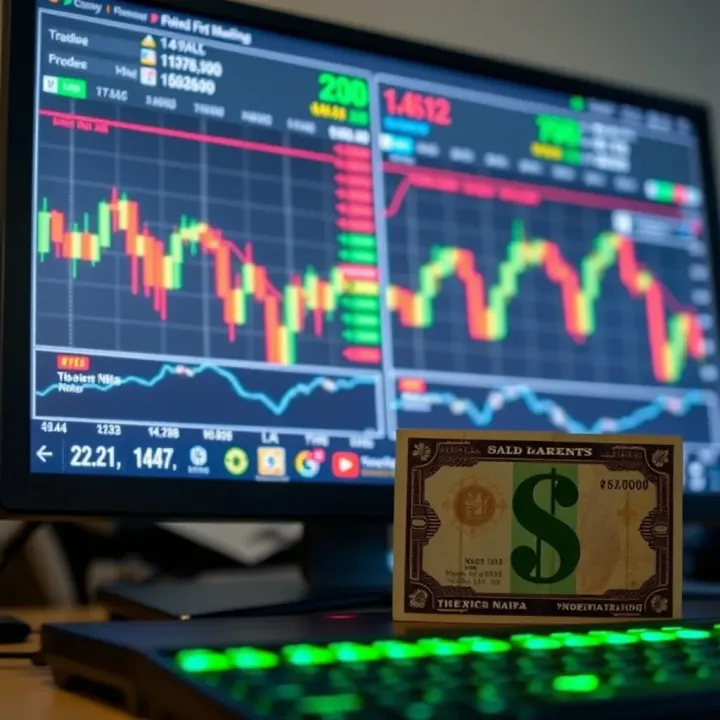
Many serious forex traders rely on multi-chart displays to track different currency pairs or timeframes simultaneously. This setup might include two to four monitors showing various charts, with each focused on different trading windows, such as 15-minute, hourly, and daily views. For example, a trader might monitor USD/NGN on one screen and EUR/USD on another. This spread helps traders quickly compare movements and identify short-term trades without constantly switching tabs.
Besides charts, news and economic calendar panels are crucial for understanding market-moving events. Having live news feeds or economic calendars beside trading windows allows traders to anticipate how events like CBN interest rate decisions or Nigerian inflation reports could impact currency pairs. For instance, when important announcements are imminent, traders keep these panels visible to adjust positions or pause trading and avoid sudden losses.
Essential hardware includes reliable desktops or laptops with good processing power since trading platforms like MetaTrader 4 or 5 demand solid performance to handle real-time updates and multiple indicators. Many traders also invest in uninterruptible power supplies (UPS) and backup internet options such as data from multiple telcos (MTN, Airtel) to sustain operations during outages. A high-definition screen with anti-glare features can reduce eye strain during long trading sessions.
Beyond hardware, comfort and ergonomics play a big role, especially for traders spending hours observing charts. Adjustable chairs and desks help maintain posture, while the right keyboard and mouse improve ease of use. Without proper ergonomics, traders risk fatigue or repetitive strain injuries which can affect focus and trading quality. Some Nigerian traders incorporate small personal touches, like a fan or familiar décor, to create a calming environment that helps withstand the stress of volatile markets.
A well-planned trading space sharpens focus, reduces errors, and improves reaction time essential for forex trading success.
Modern Nigerian traders know that combining practical gear with organised screen layouts equips them better for the fast-moving forex market, improving their chances of consistent profits and lower stress.
📈 Learn forex trading in Nigeria with clear steps on market basics, choosing reliable brokers, smart strategies, and managing risks safely for ₦ gains.
Explore top forex trading platforms for Nigerian traders 📊. Compare fees, security, payment options, and user experiences to pick the best fit for your ₦ trading goals.
Learn when the forex market is most active for Nigerian traders ⏰, including top trading sessions and tips to boost your ₦ trading strategies effectively 📈.
Start your forex trading journey in Nigeria with this practical guide 📈. Learn how to pick brokers, open accounts, manage risks, and trade safely in ₦ easily.
Based on 10 reviews