
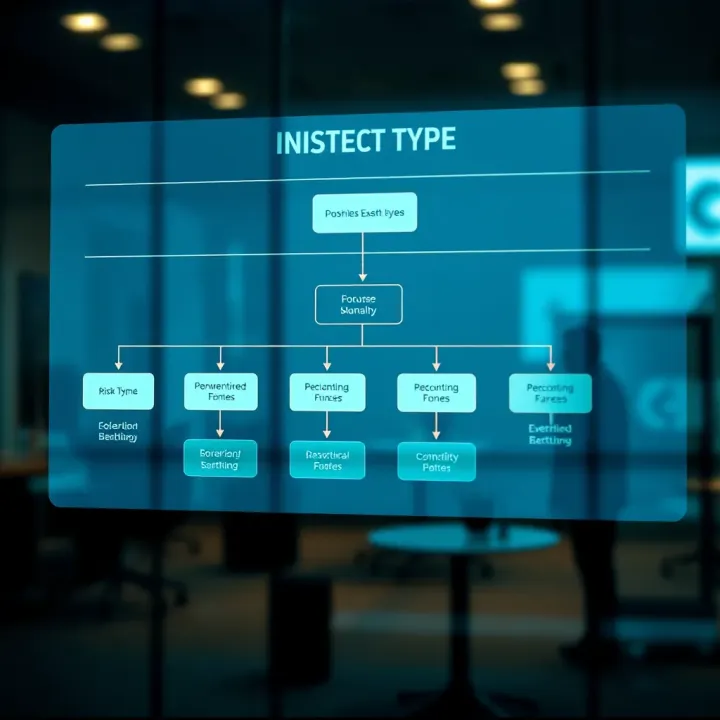
Integrated Risk Management Planning for Nigerian Firms
Discover how Nigerian firms can build integrated risk management plans that reduce losses, improve choices, and boost resilience using practical, local methods 📊🇳🇬.
Edited By
Benjamin Hayes
Risk management is not a new idea, but many Nigerian organisations still deal with it in bits and pieces rather than a united front. The integrated risk management procedure brings everything together, allowing companies to spot risks from different angles and handle them systematically. This approach helps businesses, from banks and manufacturing firms to fast-growing fintech startups, to make better decisions and meet regulatory expectations like those from the Central Bank of Nigeria (CBN).
Unlike traditional risk management that treats financial, operational, or compliance risks separately, integration combines all these categories into a single process. For example, a Nigerian oil company might link its environmental risks with operational challenges and regulatory compliance into one framework, improving efficiency and response time.

An integrated approach means organisations don’t just react to problems but anticipate them, creating strategies to minimise impact on profits and reputation.
The procedure starts with identifying risk across departments and activities, which could range from naira volatility affecting purchasing power to supply chain delays caused by transport strikes or fuel scarcity. Next comes assessing risk severity—how likely and damaging a risk might be—and prioritising them.
Then, organisations design controls or mitigation strategies. In Nigeria, that could mean hedging foreign exchange exposure, implementing stricter regulatory compliance systems, or investing in generator backup to handle power outages affecting production.
Finally, constant monitoring and review ensure the risk framework adapts to new threats or changes in the business environment. Given Nigeria’s fast-evolving economic conditions and regulatory landscape, this step is especially important.
By adopting an integrated risk management procedure, Nigerian businesses not only protect themselves but also gain a competitive edge through clearer insights and stronger governance. This practical approach builds resilience, ensuring you’re not caught off guard during economic shocks or unexpected events.
Understanding this procedure helps traders, investors, and finance professionals evaluate companies better, knowing which organisations manage risks effectively. For students and analysts, it offers a real-world example of risk principles applied in the Nigerian context.
In the upcoming sections, we will break down each step of the procedure and share practical tips tailored for Nigerian organisations aiming for solid risk control and compliance.
Integrated Risk Management (IRM) is a strategic practice that brings together different types of risks across an organisation into a single, coherent framework. For Nigerian organisations, understanding IRM means recognising that risks are interconnected and require a unified approach to control and monitor them effectively. Unlike risk management in silos, IRM ties risks from finance, operations, regulatory compliance, and even external factors like political instability into one manageable system. This helps businesses anticipate and react to challenges cohesively.
The practical importance of IRM lies in how it prevents risk oversight. For example, a bank in Lagos might face currency fluctuation risk while also battling cyber threats that could expose customer data. An IRM approach will integrate these risks, allowing the institution to devise controls that cover these varied threats simultaneously rather than separately managing them.
In simple terms, Integrated Risk Management involves combining all risk-related activities—identification, assessment, mitigation, and monitoring—into a structured process that reflects the entire organisation's exposure. This means risks are not only assessed in isolation but in how they affect and amplify each other. Nigerian companies adopting IRM move beyond just ticking compliance boxes; they embed risk thinking into daily decisions.
A practical example is a manufacturing firm in Ogun State that incorporates supply chain risks (like delays due to poor Lagos ports handling) alongside operational hazards such as electricity outages. By managing these in conjunction, the firm boosts resilience against disruptions that are common in the Nigerian business terrain.
Traditional risk management often handles risks department by department, leading to gaps or overlaps. IRM ensures consistency and clarity by unifying all risk information, enabling leadership to prioritise based on overall impact, not just isolated incidents. This integrated view makes resource allocation smarter and response times faster.
For instance, an insurer with an IRM system can see how emerging risks, like regulatory changes combined with rising claim fraud, affect capital reserves and adjust premiums swiftly. This flexibility is less common when risks are compartmentalised.
Nigeria’s business environment is complex, with risks ranging from infrastructural challenges and regulatory shifts to macroeconomic pressures and security concerns. IRM helps organisations connect these dots rather than treating them separately. This holistic perspective is especially vital in sectors like oil and gas or banking, where a single event can trigger cascading impacts.
Take the example of a Nigerian energy company facing fluctuating crude prices, pipeline vandalism, and foreign exchange instability. An IRM approach allows the company to evaluate how these risks interact and decide on comprehensive strategies, such as diversifying supply sources or implementing hedging instruments.
Compliance demands in Nigeria are intensifying, with agencies like the Central Bank of Nigeria (CBN) and Securities and Exchange Commission (SEC) sharpening their oversight. IRM supports companies in meeting these regulations by embedding controls and continuous monitoring, reducing chances of penalties or reputational damage.
Moreover, an integrated risk framework enhances governance. Boards and executives receive consolidated reports that clarify risk exposure and mitigation efforts, strengthening accountability. For example, a listed company on the Nigerian Exchange (NGX) that applies IRM can better prepare for statutory audits and demonstrate commitment to best practices.
Nigerian businesses that understand and adopt Integrated Risk Management are better positioned to navigate the country’s complex risks and regulatory demands, leading to sustained growth and resilience.
Integrated Risk Management (IRM) relies on a clear, step-by-step procedure to ensure risks across all parts of an organisation are identified, assessed, controlled, and monitored continuously. For Nigerian businesses, where challenges range from regulatory shifts to infrastructural issues, following core IRM steps helps to avoid surprises and reduces potential losses meaningfully.
Risk identification forms the foundation. Practical tools such as workshops, checklists, and brainstorming sessions enable cross-functional teams to spot potential threats early. For example, a manufacturing plant in Lagos might use process mapping to identify bottlenecks or unsafe work practices that could cause accidents or delays.
Beyond traditional methods, Nigerian firms increasingly use software tools for real-time data monitoring. Business Intelligence (BI) platforms can flag operational anomalies, while feedback mechanisms capture issues from frontline staff — crucial in sectors like banking where fraud risk is high.
Because local conditions heavily influence risks, it's vital to include industry specifics and environmental challenges. Take agriculture in northern Nigeria, for instance. Drought periods and soil degradation are significant risks that must be factored into planning.
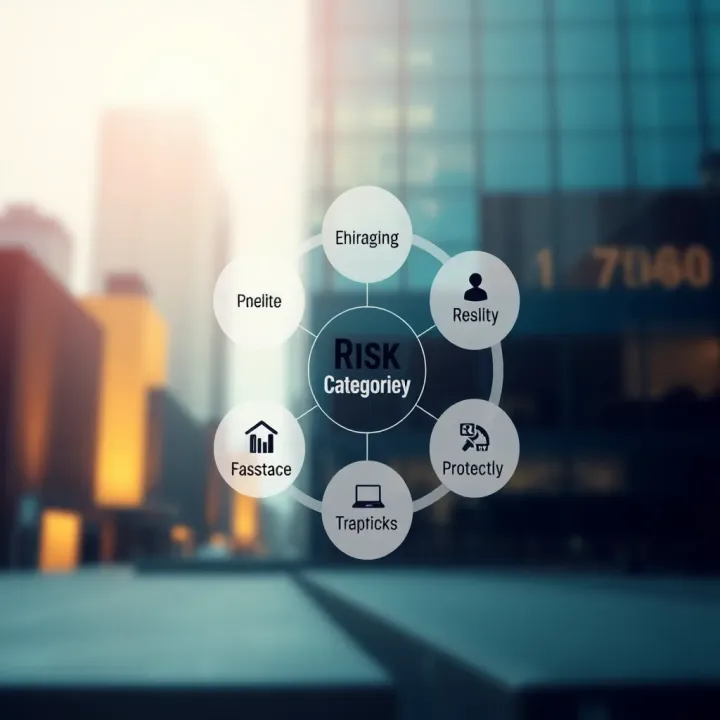
Similarly, the transportation sector faces unique pressures such as traffic congestion and fuel scarcity. An organisation ignoring these factors may find its risk management plan incomplete or impractical. Customising risk detection to local realities aligns the risk portfolio with what truly matters.
After identification, understanding the chance a risk will occur and its potential damage ranks threats effectively. A retail company in Abuja might face frequent power outages (high likelihood), severely affecting transactions (high impact), so this risk must be addressed urgently.
Classifying risks by likelihood and impact helps allocate scarce resources to where they count most, preventing unnecessary focus on low-priority risks while ignoring critical ones.
Visual tools like risk matrices and heatmaps offer quick clarity. They plot likelihood against impact, using colours or shading to show risk severity. This makes communication simpler, especially when briefing board members or investors unfamiliar with technical jargon.
In Nigerian businesses, such visual aids assist in explaining why certain risks deserve more budget or attention—say, cyberattacks in fintech firms versus minor supplier delays.
Effective risk control blends prevention (stopping risks from happening) with correction (responding swiftly if they occur). For example, a bank might implement multi-factor authentication (preventive) alongside a fraud response team (corrective).
This combination ensures resilience. For Nigerian businesses, which face frequent operational shocks like market volatility or infrastructure failures, integrating both approaches reduces downtime and loss.
Reality bites: no business has unlimited funds or manpower. Risk controls must balance thoroughness with feasibility. Investing ₦2 million in a high-tech surveillance system might not make sense for a small-scale merchant with limited turnover.
Assess control costs against the value of what’s protected, and tailor solutions to fit operational capacity. Sometimes, simple measures like better staff training or improved inventory checks offer good risk reduction at manageable cost.
Monitoring is ongoing. Leading indicators—early warning signs—track emerging risks before they escalate. Dashboards summarise these signals, showing trends in financial, operational, or compliance areas.
For instance, a manufacturing firm might track machine downtime or incident reports daily. Having this data ready means quicker reaction times and informed decision-making.
Risk is not just the concern of risk managers. Engaging departments, leadership, regulators, and even suppliers keeps everyone aligned. Regular meetings, reports, and updates foster a risk-aware culture.
In Nigeria, where business environments shift fast, ongoing dialogue ensures IRM stays relevant and responsive. It also builds trust—key in sectors where transparency and governance remain top concerns.
A practical IRM procedure marries systematic steps with local realities. Nigerian organisations that master these core steps stand better chance to manage risks, safeguard assets, and boost stakeholder confidence.
Integrating a risk management strategy across Nigerian organisations encounters several obstacles unique to the local business environment. Identifying these challenges is necessary to devise solutions that fit Nigerian realities. Overcoming these hurdles ensures companies make effective use of integrated risk management (IRM), reducing surprises from unforeseen risks.
Many Nigerian firms, especially small and medium enterprises, struggle with a basic lack of understanding of risk concepts. Training focused on IRM is often absent or superficial, leaving staff unaware of holistic risk identification and assessment techniques. For instance, a manufacturing company in Aba might neglect supply chain risks due to insufficient training on how political instability or fuel scarcity can abruptly disrupt operations. This gap prevents proper risk ownership among employees, limiting the effectiveness of risk procedures.
Moreover, existing employees may view risk management as the sole job of a compliance or audit department, not recognising it as a daily operational necessity. This results in fragmented efforts, where some risks stay hidden until they escalate. Providing continuous, tailored risk awareness sessions using case studies from Nigerian sectors can help bridge this gap and boost practical understanding.
IRM relies heavily on data to identify and prioritise risks. Unfortunately, Nigerian organisations often face challenges with data completeness, accuracy, and timeliness. For example, a Lagos-based logistics company may have outdated records of vendor performance affected by irregular data entry or limited use of digital tools. This lack of reliable data can skew risk evaluations and lead to ineffective control measures.
Besides, companies in Nigeria sometimes lack access to industry-wide risk data or benchmarks, hindering the comparison of internal vulnerabilities with wider market trends. Without robust data systems, IRM loses precision, increasing dependency on assumptions rather than evidence. Investing in digital record-keeping and data validation processes helps organisations develop a factual basis for risk decisions.
A major challenge in implementing IRM lies in breaking down silos within organisations. Departments often operate independently with limited risk communication, which decreases risk visibility and complicates coordinated responses. For Nigerian banks, for example, credit risk teams may not fully share insights with fraud prevention units, missing an opportunity to detect emerging threats early.
Encouraging regular interdepartmental meetings and creating unified risk forums allows knowledge sharing and comprehensive risk profiling. Clear leadership support signalling the value of collaboration can turn silos into interconnected units acting on consolidated risk intelligence.
Instilling a true risk-aware culture demands more than policies; it requires embedding risk thinking into everyday decisions at every organisational level. In many Nigerian companies, fear of blame or lack of incentives discourage open reporting of risks, leading to avoidable surprises.
Promoting transparency about mistakes and near misses, rewarding proactive risk management behaviours, and cascading risk responsibility beyond risk officers helps to normalise risk awareness. For instance, a telecom firm that recognises employees who identify cybersecurity threats before incident fosters vigilance that protects customer data and brand reputation.
Effective integrated risk management in Nigeria demands confronting local challenges head-on. With dedicated focus on education, data improvement, teamwork, and culture, organisations can convert these obstacles into competitive strengths.
Limited awareness and training restrict risk detection abilities.
Poor data quality compromises risk assessments.
Organisational silos hinder holistic risk views.
Cultivating a risk-aware culture ensures ongoing vigilance.
These steps form a practical path for Nigerian organisations serious about strengthening their risk management frameworks.
Selecting the right tools and technology forms the backbone of an effective integrated risk management system in Nigerian organisations. These tools help automate, track, and analyse risks across various departments, ensuring nothing slips through the cracks. With Nigeria’s unique business landscape — marked by fluctuating regulations, infrastructure challenges, and economic volatility — having practical software and adaptable frameworks is essential.
Risk management software tailored for Nigerian companies such as SAP GRC, MetricStream, and local startups like RiskTech Solutions provide an all-in-one platform to capture risks, assign accountability, and monitor mitigation efforts. These platforms allow businesses to centralise risk data, aligning compliance, operational, and strategic risks. This consolidation improves decision-making speed and accuracy, especially in fast-moving sectors like banking, oil and gas, and telecoms.
Besides the well-known international software, several Nigerian-focused solutions integrate smoothly with local regulatory compliance requirements from agencies like the Central Bank of Nigeria (CBN) and the Nigerian Communications Commission (NCC). This makes reporting more streamlined and reduces human errors compared to manual processes.
Automation and data analytics play a critical role in elevating risk management from a reactive activity to a proactive practice. Automated alerts, risk scoring, and dashboards enable businesses to spot trends or emerging threats early. These features are particularly useful in sectors prone to fraud or currency instability, where timely insights can prevent significant losses.
For example, fintech firms using analytics can track transaction patterns to detect fraudulent transfers, while logistics companies monitor fuel price spikes and their impact on operational costs. Automation reduces the workload on risk teams, letting them focus on strategy rather than routine checks.
Nigerian businesses operate under complex socio-economic conditions that require risk management frameworks to be customised rather than adopted off-the-shelf. Tailoring frameworks means incorporating factors like power supply interruptions, naira exchange rate fluctuations, or local political dynamics into risk policies and metrics. For instance, a manufacturing firm in Lagos would include generator-related risks in their operational risk register, unlike a company in a region with more stable power.
Another key consideration is how these risk tools integrate with existing financial and operational systems. Many Nigerian companies still use a mix of legacy software, manual bookkeeping, and new digital platforms. Therefore, risk solutions must interface well with accounting software like QuickBooks, ERP systems, or even Excel databases used at local levels.
Seamless integration ensures consistent data flow and prevents silos, empowering management with a unified view of risks tied directly to financial performance and operational efficiency. This alignment is especially important during audits or compliance reviews by regulatory bodies such as the Securities and Exchange Commission (SEC) Nigeria, where traceability and accuracy are paramount.
Practical risk management in Nigeria demands technology that fits local realities—not just the latest global trends.
Use risk software that supports Nigerian regulatory demands.
Leverage automation and analytics to identify risk trends early.
Customise frameworks to reflect local business conditions.
Ensure integration with existing financial and operational tools for holistic risk oversight.
Adopting these practical tools and technologies positions Nigerian organisations to manage disruption, compliance, and operational risks more effectively, ultimately safeguarding growth and investor confidence.
Embedding integrated risk management (IRM) into an organisation ensures that risk-related decisions are part of daily business, not just occasional checks. This solid foundation helps Nigerian firms navigate complex challenges like currency fluctuations, regulatory shifts, and operational disruptions. Successful embedding moves IRM from theory into practice, aligning it with business realities and culture.
Aligning Risk Management With Business Goals
Leadership buy-in is the beating heart of IRM success. When top executives link risk management with business objectives—whether expanding market share in Lagos or optimising supply chains in the South East—risk decisions gain weight and clarity. For example, a manufacturing company may set risk appetite levels geared towards protecting export revenue from naira volatility. This makes risk management a strategic priority instead of a box-ticking exercise.
Communicating the Value to Stakeholders
Clear messaging about risk management’s benefits builds wider support across the organisation. Leaders should articulate how effective IRM reduces unexpected losses, protects reputation, and strengthens compliance with regulators like the Nigerian Electricity Regulatory Commission (NERC) or the Securities and Exchange Commission (SEC). This communication extends beyond management, reaching frontline staff and even external partners, making risk a shared responsibility rather than a burden.
Developing Risk Competent Staff
Building a skilled workforce that understands and applies IRM tools is necessary. In Nigeria, this often starts with practical, scenario-based training targeting specific industry risks like power outages or foreign exchange exposures. When employees across departments know how to identify, assess, and report risks, the organisation adapts faster to emerging threats.
Leveraging Professional Bodies and Local Expertise
Engaging groups like the Institute of Risk Management Nigeria (IRMN) or the Chartered Institute of Bankers of Nigeria (CIBN) strengthens capacity building through certifications, workshops, and networking with peers who understand the local business landscape. Additionally, tapping consultants versed in Nigerian regulations and market behaviours provides tailored insights that make IRM more effective and relevant.
Regular Risk Assessments and Audits
Risk landscapes evolve rapidly, so frequent assessments ensure controls remain fit-for-purpose. Internal audits or third-party reviews can reveal gaps like outdated compliance measures or emerging cyber threats. For instance, a fintech company might discover new fraud patterns affecting mobile payments, prompting immediate action.
Adapting to Regulatory and Market Changes
Nigeria’s regulatory environment—shaped by agencies like the Central Bank of Nigeria (CBN) and the Federal Inland Revenue Service (FIRS)—demands ongoing adjustments to IRM frameworks. Market shifts such as naira depreciation, fuel subsidy changes, or election cycles also impact risk profiles. A practical IRM system keeps pace by updating policies and practices, ensuring the organisation’s resilience amid volatility.
Embedding integrated risk management requires leadership, skilled people, and a flexible system ready to learn. This approach turns risk from a threat into a guide for better business decisions.
By following these steps, Nigerian organisations position themselves to manage risks smartly and sustainably, turning uncertain environments into manageable arenas.
Discover how Nigerian firms can build integrated risk management plans that reduce losses, improve choices, and boost resilience using practical, local methods 📊🇳🇬.

Learn how Nigerian businesses can manage risks like economic uncertainty, power supply issues, and market changes with practical steps to boost resilience 📊🔌🇳🇬

📊 Learn how Nigerian businesses can spot and handle risks effectively, from identifying dangers like power fluctuations and fuel hikes to tracking solutions for a safer ₦-wise operation.

Learn how Nigerian businesses can identify, evaluate, and tackle risks to protect assets and comply with regulations. Stay steady despite infrastructure and economic challenges 📊⚙️
Based on 5 reviews