

Practical Guide to Forex Trading for Nigerians
📈 Learn forex trading essentials tailored for Nigerians! Understand markets, master strategies, manage risk, and access useful PDFs to trade confidently.
Edited By
Oliver Hughes
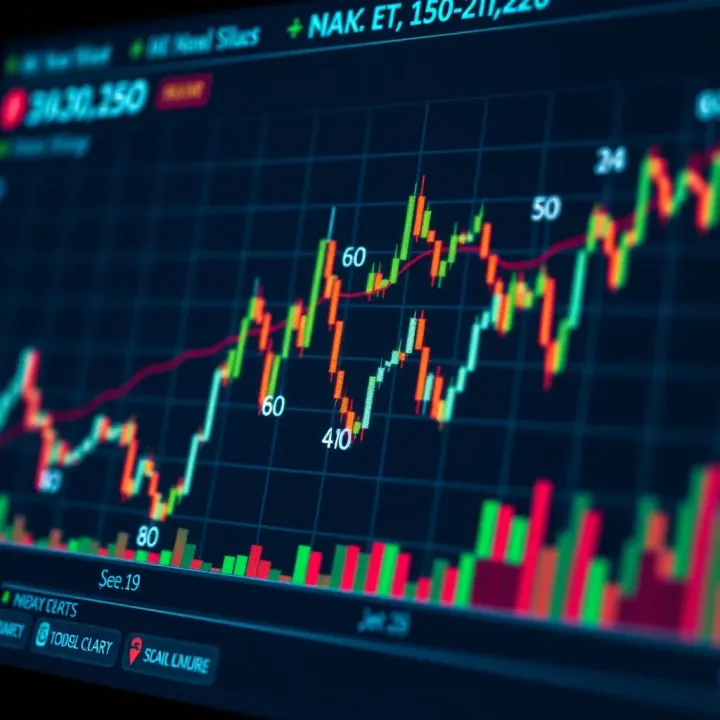
Forex trading charts are the backbone of any trader’s toolkit. They show price movements of currency pairs over time and help you make sense of market trends. For Nigerian traders navigating the forex market, understanding these charts is not just helpful—it’s necessary for making smart decisions.
Charts come in different shapes and sizes, but their purpose stays the same: to visually represent currency price changes. Whether you’re trading the popular USD/NGN or EUR/USD pairs, knowing how to read a chart lets you spot patterns, identify trends, and decide when to buy or sell.
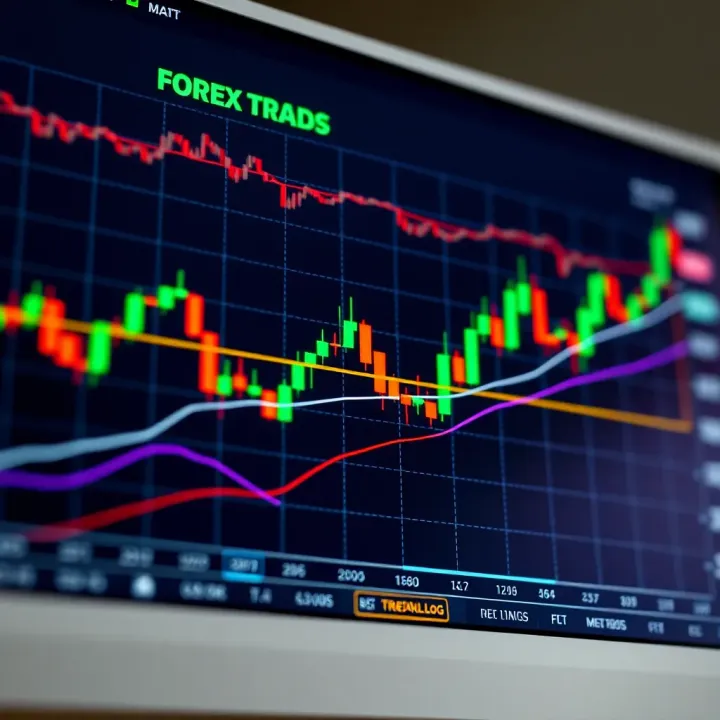
Mastering forex charts can turn guessing into informed trading. It’s like having a map before setting off on a journey.
Most charts you’ll see in forex trading platforms are line charts, bar charts, or candlestick charts. While line charts give you a simple, clear picture of closing prices, bar and candlestick charts offer more detail like opening, closing, high, and low prices within a specific time frame. For example, a 1-hour candlestick shows price action for exactly sixty minutes.
As a trader, you also need to pay attention to chart timeframes—these range from minutes to days or weeks. Shorter timeframes like 5 minutes are ideal for scalpers aiming to make quick profits, while longer ones like daily charts suit swing traders looking for bigger moves.
Let’s take a quick look at key components every forex chart includes:
Price axis (Y-axis): Shows currency price levels.
Time axis (X-axis): Represents the passage of time (minutes, hours, days).
Volume bar: Reflects the number of transactions, which hints at market interest.
Understanding these basics sets the stage for deeper analysis, such as recognising patterns that signal price reversals, continuations, or breakouts. Later sections will cover these patterns and tips to sharpen your chart reading skills.
For Nigerian forex traders, staying updated on global economic news alongside chart analysis sharpens your market sense. The naira’s volatility, CBN policies, and international events all impact forex prices, and charts help you watch how these forces play out in real time.
Start familiarising yourself with chart types and key parts—you are laying the foundation for more confident trading moves ahead.
Forex trading charts serve as the heartbeat of the foreign exchange market. They showcase how currency pairs like USD/NGN or EUR/USD move over time, giving traders a visual snapshot of price fluctuations. For any serious trader, understanding these charts means having a clearer picture of market behaviour and possibilities.
At their core, forex trading charts display the price activity of currency pairs within specified time frames. For example, a one-hour chart for EUR/USD will show you how the exchange rate changed every hour. These charts contain key data points: opening price, closing price, the highest and lowest prices during that period. Put simply, they’re the trading floor’s voice made visible. This helps traders gauge market sentiment—whether buyers (bulls) or sellers (bears) have the upper hand.
Consider a line chart tracing the daily USD/NGN rate. Sudden spikes or dips could indicate events like Central Bank of Nigeria (CBN) policy changes, political developments, or shifts in oil prices impacting the naira. Each movement reflects real-world happenings, so traders who read charts well can anticipate market reactions faster.
Charts are more than data displays; they’re decision-making tools. Without charts, traders would be navigating blindly, guessing where prices might go next. Charts allow traders to spot trends, pinpoint entry and exit levels, and manage their risk effectively.
For instance, a Nigerian trader planning to buy euros might check a candlestick chart to identify a strong support level around ₦495 per euro. Spotting this support could help save money by timing purchases when prices dip to that level. On top of that, charts help in identifying patterns like "double tops" or "head and shoulders," which signal potential reversals and guide traders to adjust strategies.
Reading forex charts turns guesswork into informed choices. It’s what separates casual observers from serious traders.
In practice, regular chart analysis has helped traders avoid losses during volatile periods—as seen when economic uncertainty causes sudden currency swings. Nigerian traders also use charts alongside indicators like moving averages or RSI to build confidence before pulling the trigger on a trade.
Understanding forex trading charts is the first step toward mastering the forex market. This introduction sets the stage for exploring different chart types, patterns, and practical analysis tools essential for improving your trading results.
Forex traders rely heavily on charts to make sense of price movements. Different chart types display data in unique ways, each offering particular insights that can affect your trading decisions. Understanding these common types lets you choose the best tool for your strategy, whether you’re spotting trends, price reversals, or market momentum.
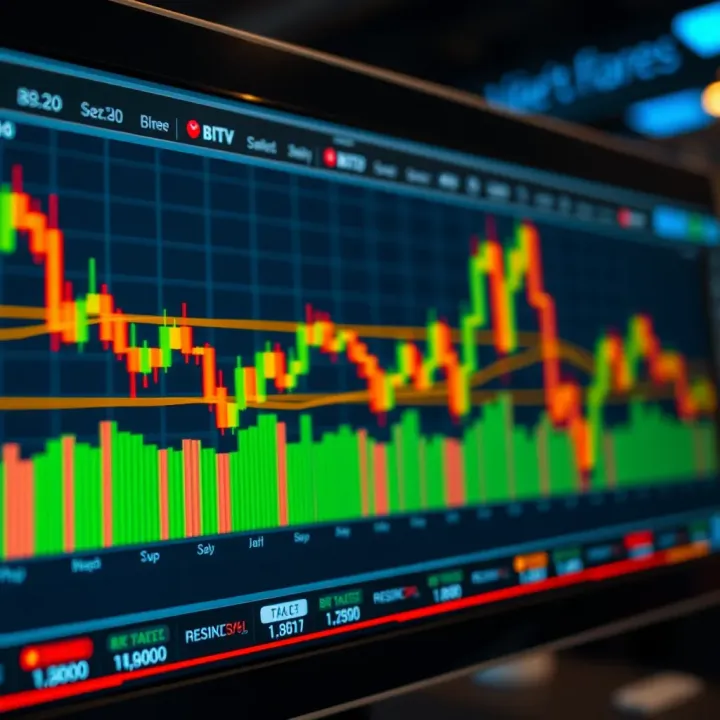
Line charts provide the simplest visual representation by connecting closing prices over a selected time frame, forming a continuous line. This simplicity helps traders quickly identify the overall market direction and general trends without distractions. For example, if you’re tracking the USD/NGN pair over the past month, a line chart can help you see whether the naira is gaining or losing against the dollar steadily. However, line charts don’t reveal intraday price action like intra-day highs or lows, which can limit detailed analysis.
Bar charts add layers of detail by displaying each trading period’s open, high, low, and close prices through vertical bars with small horizontal ticks. This format allows traders to gauge market volatility and price range more precisely. If you’re monitoring GBP/USD during an ember month, bar charts can highlight daily price swings and help identify strength or weakness in the market. The ability to spot intraday trading range fluctuations makes bar charts useful for traders who want a deeper look beyond just trend direction.
Candlestick charts combine clarity and detail, making them the go-to for most forex traders worldwide, including Nigerians. Each candle shows the open, high, low, and close prices, colour-coded to distinguish bullish and bearish moves easily. This format helps traders recognise patterns and price behaviours instantly. For instance, spotting a hammer candle after a downtrend might signal a possible reversal in EUR/USD, making candlestick charts invaluable for timely decisions. Moreover, candlesticks pair well with support and resistance levels or indicators, which many traders use to refine their entry and exit points.
Choosing the right chart isn't about complexity, but about what fits your trading style and goals. While line charts may suit beginners looking for broad trends, bar and candlestick charts are better suited for those who need detailed price behaviour insight.
By familiarising yourself with these chart types, you gain flexibility to analyse the forex markets effectively. Nigerian traders can combine these charts with local market knowledge, like how naira volatility affects forex spreads, to sharpen their strategies. Understanding each chart's strengths helps you read the market’s story and make smarter trades.
Understanding the key features and elements of forex charts is essential for any trader aiming to make informed decisions. These charts are more than just lines and candles; they are tools that break down complex market movements into clear visual cues. Focusing on specific components such as time frames, price axes, and volume indicators helps you grasp real-time market dynamics and plan entry or exit points effectively.
Time frames refer to the length each price bar or candle represents on a chart. Common options include 1-minute, 15-minute, hourly, daily, and weekly charts. Choosing the right time frame depends on your trading style. For example, scalpers in Lagos might focus on 1-minute or 5-minute charts to catch quick market moves during peak hours. Meanwhile, swing traders tend to prefer daily or weekly charts to spot longer-term trends. The thing is, a shorter time frame offers more detail but can also produce noise, whereas longer time frames provide a broad market overview but miss minute-by-minute changes.
Note: Switching between time frames can reveal different stories in the same currency pair, like USD/NGN. Watching a 5-minute chart might show rapid fluctuations ignored on the daily chart. This multi-time frame analysis often adds depth to decision-making.
The vertical axis on forex charts displays price, but the scale type used can vary. Usually, you encounter linear and logarithmic scales. A linear scale sets equal distance between price levels regardless of percentage change, which can mislead the eye during huge price swings. On the other hand, logarithmic scales adjust spacing based on percentage moves, making it easier to compare relative changes, especially over extended periods.
Take the example of the EUR/USD pair: over months, its price might move from 1.10 to 1.20. A linear scale exaggerates this move compared to a logarithmic scale, which proportionally reflects it. For Nigerian traders monitoring pairs with high volatility or exchange rate jumps (like USD/NGN), choosing the right scale helps avoid misreading the chart and misplacing trades.
Volume indicates how many units of a currency pair were traded during a specific time frame. While not all forex platforms provide volume data due to decentralised nature of forex markets, many brokers offer proxies through tick volume, which counts price changes instead. Volume insights add context to price movements; rising volumes during a price increase hint at strong buying interest, while low volumes on an uptick may suggest weak momentum.
For instance, when trading NGN pairs on platforms like MTN Mobile Money or OPay forex services, spotting high trading volume alongside price breakouts can confirm the move’s strength. Moreover, volume helps filter false signals—price may rise, but without volume support, the move might not last. Hence, smart traders combine volume indicators with other technical tools to validate their trades.
Getting familiar with time frames, price scales, and volume is like having a sharper sense of market rhythm. This knowledge prevents costly mistakes and makes chart reading a practical skill rather than guesswork.
Mastering these features need not be complicated. Try practicing with demo accounts offered by platforms like Kuda or GTBank Forex Trading, observing how changing time frames, price axes, and volume levels impact your analysis. This hands-on approach makes these chart elements a familiar part of your trading toolkit, especially relevant in Nigeria's diverse forex market environment.
Chart patterns are visual formations that hint at possible future price movements in forex trading. Understanding these patterns helps traders spot potential entry and exit points without relying solely on guesswork. For Nigerian forex traders, recognising popular chart patterns improves decision-making and risk management, especially in a market that can be quite volatile.
The Head and Shoulders pattern signals a likely trend reversal. It forms when the price creates three peaks: the middle peak (head) is higher than the two side peaks (shoulders). This pattern usually appears after an uptrend, suggesting a shift to a downtrend. For example, if the Nigerian Naira (₦) weakens steadily against the US dollar and this pattern emerges on the chart, it may imply a coming drop in the naira price.
Traders often wait for the "neckline" breakout before acting, which confirms the reversal. Setting stop-loss orders just above the right shoulder is a common strategy to manage risk, guarding against false signals in Nigeria's forex scene where sudden moves are not uncommon.
Double Top indicates a bearish reversal and occurs when the price hits a resistance level twice but fails to break through, forming two peaks at roughly the same level. This shows the buyers' strength weakening and sellers gaining control. In contrast, Double Bottom is bullish, appearing after a downtrend when the price hits a support level twice, signalling potential buying momentum.
Suppose GBP/USD pairs show a Double Top on the daily chart. Traders might expect the pair to fall and plan to sell or close long positions accordingly. Conversely, spotting a Double Bottom in EUR/USD might encourage buying as investors anticipate an upward bounce.
Triangles suggest a pause in the current trend before it continues. They are formed by converging support and resistance lines. There are three main types:
Ascending Triangle: Generally bullish, with a flat resistance and rising support.
Descending Triangle: Usually bearish, featuring a flat support and descending resistance.
Symmetrical Triangle: Neutral, can break either way.
For instance, if the USD/NGN pair charts a rising support line against a horizontal resistance, this shows buying pressure building. Traders expect a breakout to the upside, often timed with key economic data from Nigeria.
These small, sharp continuation patterns form after a strong price movement. Flags appear as rectangular shapes slanting against the trend, while pennants look like small symmetrical triangles. They indicate short breaks during strong trends, after which the price tends to resume.
In practice, if a forex chart shows a flag after a sharp rise in USD/CAD, traders anticipate the uptrend to continue, making it a good point to enter or add to positions. Flags and pennants are useful because they offer clear targets once breakout happens, helping traders in Nigeria set realistic profit targets.
Recognising chart patterns can significantly improve your forex trading accuracy. Instead of reacting emotionally to price swings, using these formations guides you with clearer signals, especially in Nigeria's fast-moving forex environment.
In summary, understanding reversal and continuation chart patterns equips you with practical tools to navigate forex charts more confidently. For Nigerian traders, integrating these insights helps turn chart reading from guessing into skilled analysis.
Analysing forex trading charts effectively gives traders an edge in planning entries and exits in the volatile forex market. Charts alone reveal past price movements, but combining them with proven techniques helps you spot likely price direction before it happens. For Nigerian traders dealing with currency pairs like USD/NGN or EUR/USD, this clarity can mean better trade timing and risk management.
Technical indicators act as tools that interpret raw chart data, making patterns clearer or providing extra signals. Simple Moving Averages (SMAs), for example, smooth price data and help you identify overall trends. If the 50-day SMA crosses above the 200-day SMA, it often signals a potential uptrend—a useful indication whether to buy or hold.
Momentum indicators like the Relative Strength Index (RSI) gauge if a currency pair is overbought or oversold. An RSI above 70 suggests overbought conditions, which might point to a reversal soon. On the other hand, RSI below 30 hints at oversold conditions, signalling a possible price rise ahead. Using these indicators alongside candlestick patterns can sharpen your judgement during quick market moves, especially when the naira exchange rate fluctuates.
Support and resistance levels are price points where currencies tend to pause or reverse due to supply and demand dynamics. For instance, if USD/NGN keeps bouncing off ₦500, that price acts as support. Conversely, if it fails repeatedly to break above ₦510, that serves as resistance. Recognising these helps you set realistic target prices and stop-loss levels, limiting losses in unpredictable conditions.
Traders often watch for breakouts—when price moves beyond a resistance or support level with volume confirmation. A breakout above resistance can signal a stronger uptrend, while failure at these levels suggests consolidation. Nigerian forex traders must keep an eye on these zones, especially during periods of central bank interventions or political uncertainty which can jolt markets.
One trap is relying on one indicator or chart pattern alone. Forex is dynamic; overdependence on any single tool can mislead you. Also, many traders overlook the importance of time frames. A trend visible on a daily chart might not exist on the hourly chart. It’s wise to cross-check across time frames to confirm signals.
Another frequent mistake is ignoring economic news, which often affects prices much more than chart patterns. Nigerian forex traders should stay updated with CBN policy changes, inflation reports, or fuel subsidy adjustments that can quickly disrupt technical setups.
Remember, effective chart analysis blends tools, price levels, and contextual market knowledge. Getting this balance right aids informed decision-making and better trading outcomes.
By mastering these approaches, Nigerian investors can improve their trading accuracy, avoid common pitfalls, and confidently navigate currency markets despite local challenges like naira volatility and infrastructure issues.
📈 Learn forex trading essentials tailored for Nigerians! Understand markets, master strategies, manage risk, and access useful PDFs to trade confidently.
🌍 Discover practical tips for forex trading in Nigeria! Learn how to pick trusted brokers, understand local rules, avoid mistakes, and sharpen your skills.
💹 Explore forex trading designed for Nigerians! Learn key concepts, spot risks, and get practical tips to trade currencies confidently and smartly.
Explore forex trading in Nigeria 🇳🇬 with tips on brokers, strategies, risks, regulations, and market opportunities to trade smarter and safer 💹
Based on 15 reviews