
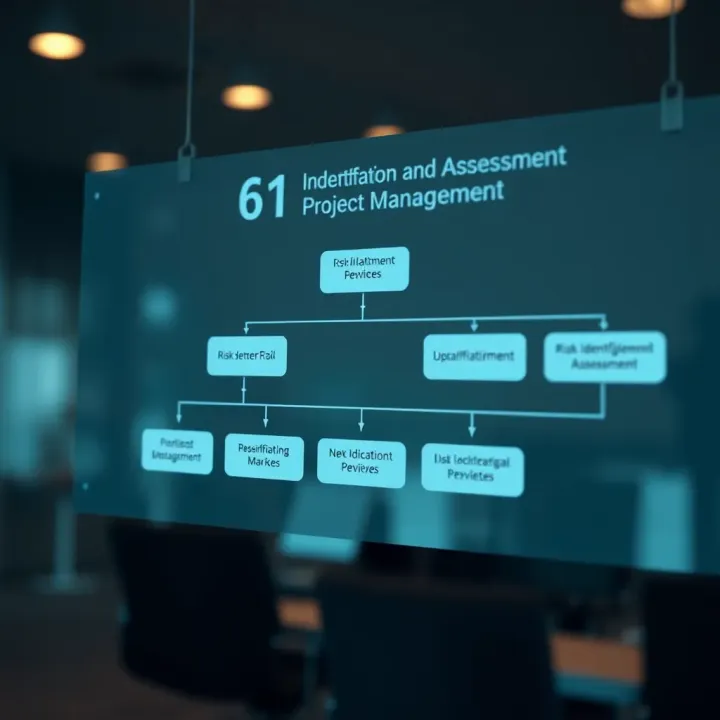
Risk Management in Project Management Explained
📊 Discover how risk management in project management stops surprises and boosts success. Learn practical steps Nigerian projects use to spot, assess, and control risks.
Edited By
Ethan Reed
Project risk management is the process of identifying, assessing, and managing uncertainties that can potentially affect a project's success. For Nigerian projects, this approach is not just a technical necessity but a practical tool to navigate an environment marked by frequent power outages, currency fluctuations, and infrastructural bottlenecks.
Understanding risk means recognising threats like delays from supply chain interruptions or sudden regulatory changes by Nigerian authorities. For example, a construction project in Lagos might face delays if danfo traffic congestion disrupts timely delivery of materials. Without managing such risks, costs could balloon unnecessarily, and project goals may suffer.
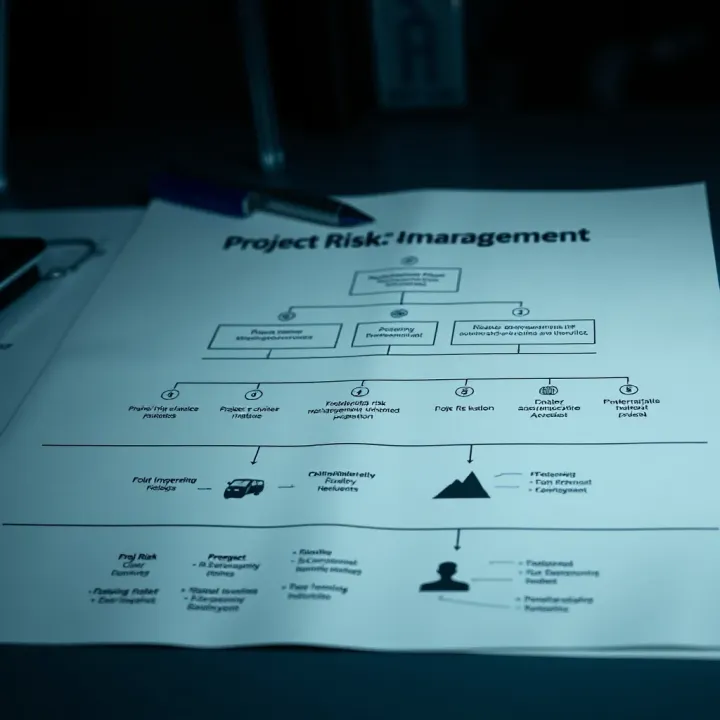
Risk Identification: Spotting possible events or conditions that might impact the project. This could involve mapping out scenarios such as fuel scarcity affecting generator operations on site.
Risk Assessment: Estimating the likelihood and potential impact of each risk. For instance, if the naira suddenly depreciates, imported materials become more expensive, affecting budget margins.
Risk Control: Developing strategies to minimise or avoid risks, such as setting aside contingency funds or negotiating better contract terms with suppliers.
Proper risk management helps project stakeholders make informed decisions and allocate resources efficiently, reducing surprises that stall progress.
Tools like risk matrices and SWOT analysis are practical in Nigerian projects. A risk matrix could help determine that the chance of a permit delay is moderate but the impact on a telecom rollout is high. This guides prioritisation.
Besides external threats, internal factors such as poor communication among team members often compound risks. For example, misunderstanding Nigeria Electricity Regulatory Commission (NERC) policies may lead to unexpected costs.
In summary, managing project risk is about staying ahead of problems through clear identification, practical evaluation, and timely action. Nigerian projects that adopt these principles increase their chances of finishing on time and within budget, a feat not always guaranteed in challenging environments.
Project risk management is the process of identifying, analysing, and dealing with uncertainties that can affect the outcome of a project. In Nigerian projects, where factors like infrastructure, regulatory shifts, and currency fluctuations play a big role, understanding risk management is indispensable for keeping projects on track and within budget.
Project risk refers to any unexpected event or condition that might hinder the success of a project. These risks can be internal, like resource shortages or poor planning, or external, such as political unrest or power outages common in Nigeria. For instance, a construction project in Lagos may face delays due to frequent NEPA power disruptions or difficulties in obtaining timely permits from local authorities.
Ignoring project risks can lead to cost overruns, missed deadlines, or even complete project failure.
The impact of these risks varies. Some might cause minor setbacks costing just a few thousands of naira, while others can halt progress altogether and result in losses running into millions. It’s why recognising and preparing for these risks early can protect your investment and ensure smoother project delivery.
Managing risk actively means you’re not just waiting for problems to occur but planning ahead to reduce their likelihood or effect. This proactive stance helps Nigerian project managers avoid surprises that can derail projects. For example, if your supply chain depends on imported materials, monitoring foreign exchange rates and setting aside contingency funds in naira can prevent price shocks due to naira devaluation.
There are practical benefits too. Well-handled risks improve stakeholder confidence, which may ease securing financing or government approvals. Plus, it can enhance team morale since clear plans reduce uncertainty. A trader launching a new product line, for example, may allocate budget provisions for sudden raw material price hikes or transport strikes, ensuring continuity without frantic last-minute scrambling.
In essence, project risk management is not just about avoiding danger; it’s about ensuring projects, whether in fintech, construction, or agriculture, are delivered successfully despite the challenges unique to Nigeria’s business environment. It’s a skill every investor, broker, and analyst should actively cultivate to safeguard resources and achieve set objectives efficiently.
Managing project risks well starts with following clear, practical steps. This process helps traders, investors, and analysts in Nigeria spot potential problems early, plan properly, and keep projects on course despite uncertainties. Each step builds on the last, creating a cycle of continuous attention and adjustment.
Risk identification is the first step where the project team lists out anything that might go wrong. In Nigerian projects, this might include supply delays due to bad roads or fluctuations in the naira. Techniques include brainstorming sessions, where team members share concerns openly, and using checklists based on past projects to catch common risks. For example, a construction company might review past ember months disruptions to anticipate similar issues this year.
Once risks are identified, the next step is assessing how likely they are and how much damage they could cause. This helps avoid wasting time on minor issues. Using tools like risk matrices, risks are placed on scales of likelihood and impact—say, currency devaluation rates and their effect on import costs. For a fintech startup, high-priority risks might be regulatory changes from the Central Bank of Nigeria (CBN) since these can quickly affect operations.
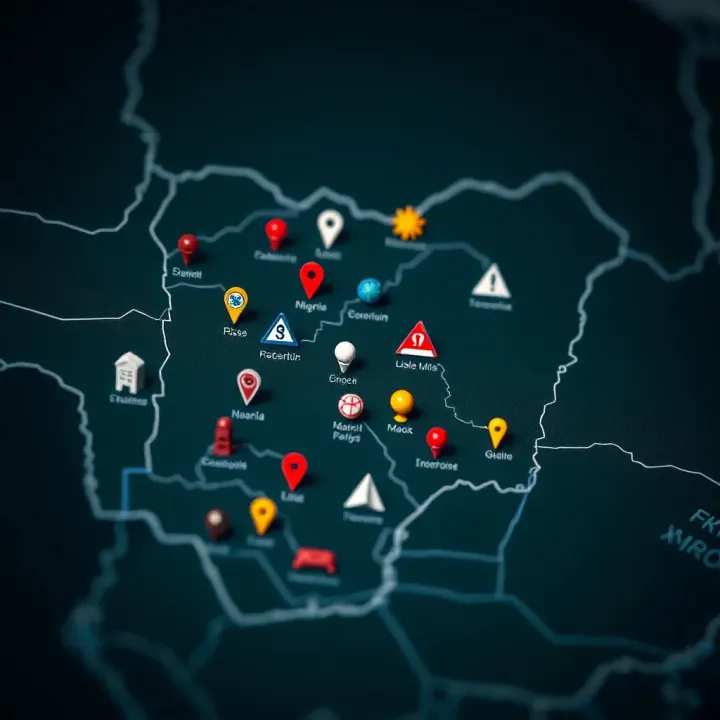
With priorities clear, project managers prepare responses to each significant risk. Responses can be avoiding the risk, reducing its impact, transferring it (perhaps via insurance), or accepting it if it’s manageable. A Nigerian oil project might plan to source spare parts locally to lower reliance on delayed foreign suppliers, reducing timeline risks. Response plans must be practical and tied closely to local realities.
Risk management does not stop at planning; it requires ongoing monitoring as conditions change. Regular checks during project updates help spot new risks or shifts in old ones. This is vital in Nigeria, where political or security situations can evolve rapidly. Project teams should use risk registers to track status and assign ownership, allowing swift action when needed. For instance, a property developer might keep an eye on local regulatory shifts related to land use.
Maintaining flexibility through these steps allows projects to adapt as challenges crop up, ensuring resources are focused where they matter most.
Following these steps systematically improves a project’s chances of success. For anyone managing Nigerian projects, mastering this process means less surprises, smoother execution, and better results even in a complex business environment.
Projects in Nigeria come with their own set of challenges that can derail progress if not managed well. Understanding these common risks is essential for anyone involved in project planning, execution, or oversight. From financial issues to political disruptions, these risks shape how you assess and respond to uncertainties.
One major hurdle in Nigerian projects is fluctuating currency values and financial instability. The naira’s volatility against foreign currencies can inflate costs, especially for projects relying on imported materials or equipment. For example, a construction project importing machinery might face budget overruns if the naira depreciates suddenly. Furthermore, limited access to foreign exchange remains a bottleneck, affecting timely payments and causing delays.
Inflation also drives costs up unexpectedly, impacting labour, transport, and raw materials. Projects without well-planned financial contingencies can quickly find themselves short of funds. Given these realities, accurate forecasting and building in financial buffers are critical to avoid collapse.
Poor infrastructure and unreliable electricity supply often slow down Nigerian projects. Frequent power outages force companies to rely on generators, which increase operational expenses through fuel costs and maintenance. For instance, a manufacturing startup in Lagos might spend a significant portion of its capital on diesel fuel just to keep machines running.
Road conditions, traffic congestion, and limited transportation options add another layer of risk by delaying deliveries and increasing logistics costs. Without accounting for these factors, project timelines can stretch well beyond initial estimates.
Nigeria’s regulatory environment is complex and can change with little notice, exposing projects to legal and operational risks. Compliance with multiple agencies—such as the Nigerian Investment Promotion Commission (NIPC), Standards Organisation of Nigeria (SON), and Nigerian Content Development and Monitoring Board (NCDMB)—is often necessary depending on the sector.
Delays in obtaining permits, shifting tax regulations, or sudden policy changes may stall projects or increase expenses unexpectedly. An oil and gas project, for example, must constantly navigate environmental regulations and local content laws. Staying updated with regulatory developments and engaging capable legal advisers can significantly reduce this risk.
Security concerns remain a big challenge for Nigerian projects, especially in certain regions affected by insurgency, banditry, or communal clashes. Kidnapping for ransom, theft of equipment, and vandalism can inflate security costs or even halt operations completely.
Political instability and election cycles also add uncertainty. Policies may change abruptly or government support shift, affecting project funding or approvals. For example, infrastructural projects in states undergoing political transition might experience stoppages or redesigns.
Effectively managing these risks requires a hands-on approach that adjusts to the dynamic Nigerian context. Understanding their specific impact can help you build realistic plans that absorb shocks and keep projects on track.
Effective project risk management depends heavily on the right tools and techniques. These help project teams in Nigerian settings to spot, assess, and handle risks before they escalate into serious problems. Unlike general advice, applying practical methods like risk registers, scenario planning, and digital platforms can make a real difference in projects facing local challenges such as currency volatility or power supply issues.
A risk register is more than just a checklist; it’s a living document where project risks are captured, described, and tracked. For Nigerian projects, this might include tracking risks like delays from import restrictions or sudden fuel price hikes. Complementing this, the risk matrix visualises the likelihood and impact of each risk, making it easier to prioritise the most threatening ones. By having these tools, project managers can make quick decisions on which risks to address first to avoid major setbacks.
For example, a construction project in Lagos could use a risk register to monitor the risk of incessant generator failures in the neighbourhood. By adjusting the risk’s priority in the matrix, the team decides whether to invest in backup generators or renegotiate timelines with contractors.
Scenario planning involves imagining different future events that could affect a project and preparing responses beforehand. In Nigeria, this is particularly useful for projects vulnerable to political changes or abrupt regulatory shifts. What-if analyses drill deeper by modelling specific variations, such as a sudden naira depreciation or changes in import tariffs, and assessing their impact on project costs and timelines.
A practical case is a manufacturing firm preparing for possible disruptions in raw material supply due to border closures. By running various scenarios, the firm chooses suppliers with more stable logistics, saving potential downtime and added expenses.
Digital tools tailored for project risk management can streamline the entire process from identifying risks to monitoring mitigation efforts. Platforms like Microsoft Project, Primavera P6, or even Nigerian fintech apps adapted for business use provide dashboards and alerts that keep risks visible in real time. These tools help project teams avoid missing critical updates, especially when handling large projects or remote teams.
In Nigeria’s rapidly growing tech ecosystem, using software also allows integration with payment platforms like Paystack or Flutterwave for smoother financial tracking and risk audits. Plus, digital tools can store historical risk data which guides future projects based on local realities.
In managing project risk, relying on concrete tools rather than just intuition or guesswork helps Nigerian projects stay resilient and adaptive, reducing costly surprises along the way.
In all, combining these tools — risk registers, scenario planning, and digital platforms — tailors risk management to the Nigerian environment, where uncertainties often come from dynamic economic and infrastructural factors. Using these techniques is a smart way to keep projects on course despite challenges.
Managing project risks effectively in Nigeria requires approaches grounded in local realities and active involvement of stakeholders. Practical tips help projects navigate the unique challenges posed by financial instability, infrastructure gaps, regulatory changes, and security concerns. Applying these tips reduces costly setbacks and boosts project success.
Local stakeholders and experts have hands-on knowledge of project environments that external teams often lack. Engaging them early can uncover risks that might otherwise be overlooked. For example, consulting with community leaders or local contractors can highlight issues with land access or supply chain delays specific to certain regions.
Financial analysts and risk professionals familiar with Nigerian markets provide insights into currency fluctuations and inflation trends, helping shape realistic risk responses. Likewise, collaborating with legal experts ensures compliance with evolving regulations from bodies such as the Federal Inland Revenue Service (FIRS) or the Nigerian Communications Commission (NCC).
Active stakeholder involvement fosters trust and improves communication, which is vital in swiftly responding to unexpected developments. Without such engagement, risk plans might miss critical local factors affecting the project's trajectory.
Risk plans imported from other markets often fail to capture the peculiarities of Nigerian projects. Adaptation means tailoring strategies to local conditions, including infrastructure reliability, political climate, and economic volatility.
For instance, power outages remain recurrent despite ongoing efforts to stabilise the grid. Incorporating backup power solutions, like generators or solar systems, into risk mitigation plans can prevent costly downtime. Similarly, Nigerian naira fluctuations require dynamic budgeting that regularly factors in exchange rate risks and inflation adjustments.
Adaptation also involves aligning timelines with realities such as traffic congestion in Lagos or delays from customs clearance at ports like Apapa. Recognising these delays upfront allows for buffers in scheduling and contingency budgets, reducing the risk of overruns.
Project risk management is not a set-and-forget process. Nigerian projects must maintain flexibility to adjust to fast-changing circumstances. Regular reviews of risk registers and mitigation plans help detect emerging threats early and reallocate resources effectively.
For example, during the amber months, supply chain disruptions may intensify due to increased demand and transport challenges. Regular monitoring enables timely response, such as sourcing alternative suppliers or ramping up inventory.
Integrating risk reviews into project meetings promotes a culture where emerging issues are openly discussed. Digital tools like project management platforms or risk monitoring software can aid in tracking changes and alerting teams to new risks.
Consistent engagement, realistic adaptation, and ongoing flexibility form the foundation of practical risk management suited for Nigeria’s dynamic project environment.
By following these practical tips, project managers, traders, investors, and analysts can better anticipate problems and protect project outcomes amidst Nigeria’s unique challenges.
📊 Discover how risk management in project management stops surprises and boosts success. Learn practical steps Nigerian projects use to spot, assess, and control risks.
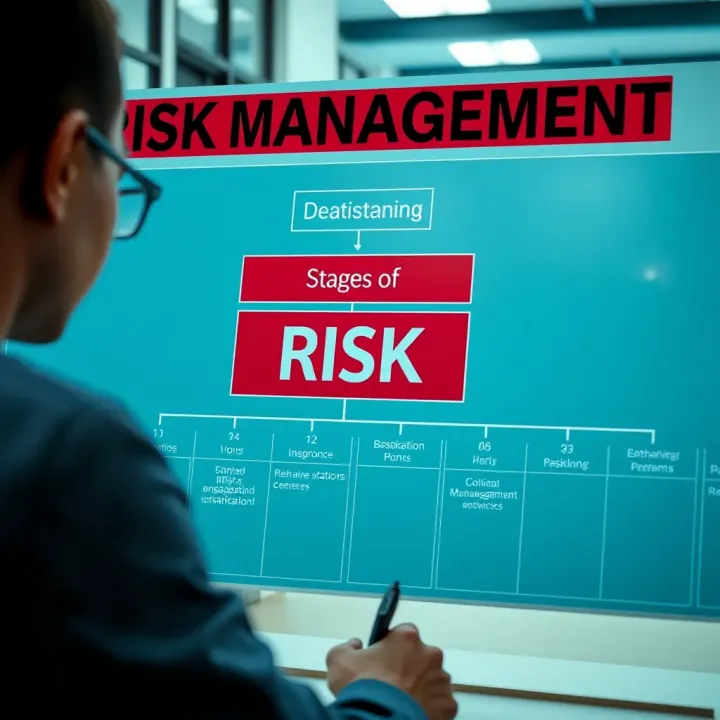
📊 Master risk management in Nigeria's business world with our hands-on guide—learn to identify, control, and reduce risks with practical tips and helpful PDFs included.

📘 Discover the real benefits of risk management courses in Nigeria 🇳🇬, learn core concepts, career paths, and how they help protect your business and future.
📊 Master risk management calculators to protect investments, manage ₦ risk, and target smarter gains. Avoid common errors and boost your trading strategy today!
Based on 6 reviews