
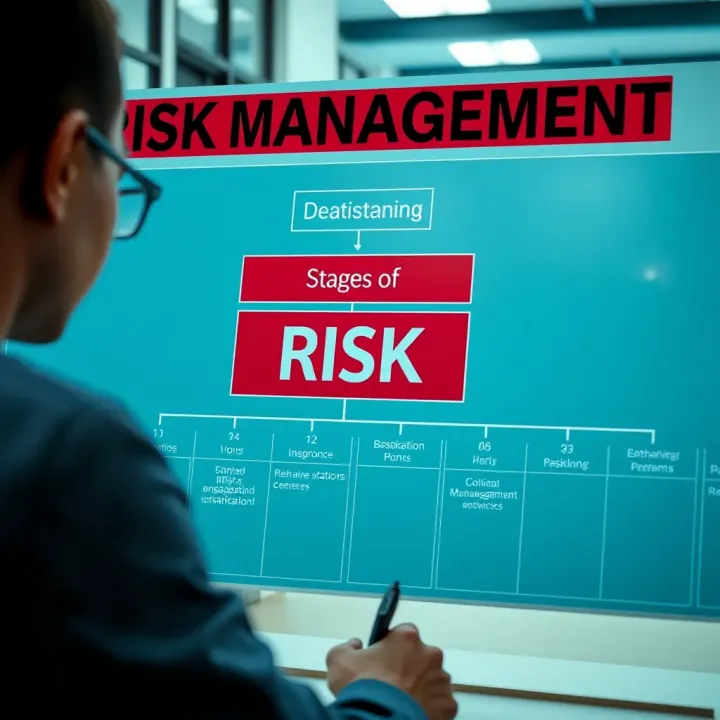
Understanding Risk Management in Nigerian Business
📊 Master risk management in Nigeria's business world with our hands-on guide—learn to identify, control, and reduce risks with practical tips and helpful PDFs included.
Edited By
James Whitaker
Risk management stands as a vital discipline within Nigeria's bustling financial landscape. For traders, investors, brokers, and finance analysts working in an environment marked by currency volatility, economic shifts, and regulatory changes, mastering risk management is essential. It equips professionals with the tools to identify potential threats before they escalate and to safeguard assets effectively.
Risk management courses in Nigeria cover practical approaches that go beyond theory. They introduce learners to key concepts such as risk identification, assessment, mitigation, and monitoring. For instance, a trader might learn how to use stop-loss orders and portfolio diversification as techniques to limit financial exposure. Similarly, business managers discover how to assess operational risks like supply chain disruptions, especially relevant with frequent fuel shortages impacting transportation costs.

These courses normally follow structured modules that blend classroom learning with case studies from Nigerian markets. Topics include credit risk evaluation, market risk analysis, regulatory compliance specific to Nigerian bodies like the Securities and Exchange Commission (SEC) and the Central Bank of Nigeria (CBN), and emerging risks related to fintech innovations like mobile payments and cryptocurrency.
Studying risk management isn't just for people in big banks or multinational firms. Even small-scale investors and entrepreneurs can use these skills to make smarter decisions and protect their ventures from unexpected losses.
Upon completion, career opportunities span from risk analyst roles in commercial banks or insurance companies to consultancy positions advising startups and SMEs on risk policies. More so, the knowledge gained helps individuals improve personal investment decisions, understanding when to hold, sell, or buy assets with greater confidence.
Risk management courses often combine theoretical knowledge with hands-on exercises, such as analysing Nigerian economic data for risk trends or simulating crisis scenarios. This practical focus makes the learning relatable and applicable to real workplace challenges.
In a country where market conditions can shift quickly due to political, environmental, or global factors, the ability to manage risk translates into more resilient businesses and financial security. Investing time in a risk management course is a strategic move for those aiming to thrive in Nigeria's dynamic economy.
Risk management holds a vital place in Nigerian business environments due to the country’s unique economic and operational challenges. For traders, investors, and finance professionals, understanding risk management is not just theoretical but a practical necessity to protect assets and ensure sustainable growth.
Nigeria's economy is heavily influenced by external factors such as oil price fluctuations and exchange rate swings. For example, many businesses face unpredictability because the naira often experiences volatility against major currencies like the US dollar. This volatility can increase costs for import-dependent companies and affect profit margins. Therefore, businesses must routinely assess their exposure to currency risk and consider hedging options, like forward contracts or currency swaps, to stabilise financial outcomes.
Nigeria’s regulatory landscape can change swiftly, affecting taxes, import tariffs, and operational permit requirements. For instance, sudden changes in the Central Bank of Nigeria's policies on foreign exchange or banking regulations often impact financial institutions and businesses directly. Companies that anticipate or quickly adapt to these changes through effective risk management avoid costly penalties or business interruptions. Regular monitoring of regulatory announcements becomes a key part of managing compliance risks.
Operational risks in Nigeria include infrastructural deficits such as fluctuating power supply, poor road networks, and security concerns during transportation. For example, many businesses rely on diesel-powered generators due to erratic electricity, adding to operational costs. Risk management involves putting contingency plans in place, such as securing alternative suppliers or investing in reliable power solutions. Operating in volatile environments requires constant assessment of vulnerabilities to maintain continuity.
Beyond everyday currency swings, businesses face challenges like inflationary pressures and unstable interest rates. A local manufacturer importing raw materials may see their cost rise suddenly due to naira depreciation. Without proper risk analysis and cash flow planning, such shifts lead to financial strain or increased prices for consumers. Awareness and preparation through financial risk management techniques prevent unexpected losses.
Security issues, such as kidnappings and unrest in certain regions, affect not only physical assets but also staff safety. Political risks during election years can disrupt markets and delay project implementation. Companies operating in high-risk areas often develop security protocols and insurance coverages to mitigate these threats. For example, logistics firms assign security escorts and use tracking technologies to reduce losses.
Nigerian businesses regularly face supply chain hiccups caused by transport bottlenecks, border delays, or scarcity of key inputs. For example, importers might experience delays at Lagos ports due to congestion or bureaucratic hurdles, increasing lead times and affecting delivery schedules. Effective risk management includes diversifying suppliers, maintaining buffer stocks, or using digital supply chain monitoring to spot disruptions early. These actions help maintain customer trust and avoid lost sales.
Building strong risk management frameworks in Nigeria helps businesses navigate complex local realities, reduce unexpected losses, and seize opportunities with confidence. Whether dealing with economic swings, regulatory shifts, or operational threats, practical risk management supports long-term success and resilience.
Risk management courses offer a solid grounding in concepts and practices essential for handling uncertainties that businesses and investors face, particularly in the Nigerian context. These courses highlight practical techniques and strategies that professionals employ to identify, assess, and mitigate risks effectively. By mastering these core concepts, you position yourself to make better decisions and protect assets in an environment often marked by economic volatility, regulatory shifts, and operational challenges.
Identifying risks is the first step in managing threats before they escalate. It involves spotting potential hazards – whether financial, operational, or reputational – that could affect an organisation or investment. For example, a Lagos-based trader might identify currency volatility and power outages as significant risks that could disrupt operations. Learning to systematically recognise such risks early helps prevent surprises that can derail plans.
Moving on, risk analysis and evaluation involve measuring how likely a risk is to occur and what impact it would have. This process helps prioritise which risks deserve immediate attention and resources. Suppose a manufacturing firm in Kano assesses the risk of supply chain disruptions due to fuel scarcity; the company can then decide if it’s more effective to stockpile essentials or find alternate suppliers. This stage refines your understanding and assists in smarter risk management.

Courses often explore quantitative versus qualitative methods of risk assessment. Quantitative methods use numbers and data, such as calculating the probability of default in loans or forecasting sales downturns due to market trends. Qualitative methods, meanwhile, rely on expert judgement and scenarios, like evaluating political risks based on local events or regulatory outlook. Both approaches complement each other, offering a fuller picture; a stockbroker might use quantitative data for price fluctuations but qualitative insights for geopolitical developments.
Risk transfer and insurance are key tools specialists use to shift adverse effects. Businesses often transfer risk through insurance policies that cover theft, fire, or cyber-attacks. For instance, an oil company operating in the Niger Delta may insure its facilities against sabotage and environmental damage. This strategy doesn't eliminate risk but protects the organisation’s finances when things go wrong.
Internal controls and compliance relate to putting checks in place to reduce errors or fraud and ensure adherence to laws. Nigerian banks, for instance, implement strict internal controls to comply with Central Bank of Nigeria (CBN) regulations, protecting depositors’ funds and reducing operational risk. Teaching compliance frameworks in courses equips professionals to design systems that keep organisations on the right side of rules while optimising operations.
Lastly, developing risk response plans means preparing structured actions to tackle risks when they materialise. A fintech company might prepare a contingency plan for a sudden naira devaluation by arranging alternative funding sources beforehand. These plans include steps like crisis communication, resource allocation, and recovery processes, ensuring business continuity despite disruptions.
Effective risk management depends not just on recognising threats but on applying the right techniques and tools. Mastering these core concepts through courses gives you the edge to manage risks confidently and professionally in Nigeria’s challenging business climate.
Understanding how risk management courses are structured and delivered helps you choose the best option for your learning style and career goals. This section breaks down course types, learning formats, and assessment methods, giving you a clear picture of what to expect. Whether you want a quick certification or a deep university programme, knowing these details will save you time and resources.
Short-term certifications offer targeted training lasting from a few days to a couple of weeks. These brief programmes focus on specific skills like risk assessment techniques or regulatory compliance, making them highly practical for busy professionals. For instance, a compliance officer at a Lagos bank might take a two-week certification to stay current with newly introduced CBN guidelines. These certifications are affordable and often flexible, ideal for quick skill upgrades without committing to longer studies.
Diplomas and professional qualifications provide a more in-depth education, typically spanning several months to a year. These courses balance theory and practice, often including case studies and project work. Nigerian professionals aiming for roles such as risk analysts or auditors find diplomas useful because they are recognised by employers and professional bodies like the Institute of Risk Management Nigeria. These qualifications boost credibility and can open doors to better job prospects.
University degree programmes are the most comprehensive, ranging from undergraduate degrees to postgraduate diplomas or masters. Studying risk management as a full-time or part-time student deepens your understanding of risk theories, quantitative methods, and strategic planning. Nigerian universities like University of Lagos and Covenant University offer tailored risk management degrees with modules addressing local economic risks. These degrees are crucial for those pursuing senior management positions or academic careers.
Online vs classroom learning represents the main modes of delivery. Online courses, offered by platforms like Coursera or local providers, allow you to study at your own pace, ideal for traders or finance analysts who juggle work and education. Classroom learning, on the other hand, provides direct interaction with instructors and peers, beneficial for students who thrive in structured environments. However, campus-based courses may be less flexible and require commuting, which can be challenging in busy cities like Lagos or Abuja.
Case studies and practical exercises form the backbone of applied learning. They help you connect theory with real-world scenarios, such as analysing the impact of naira fluctuations on investment portfolios. For example, a finance analyst may work on a case involving currency risk management strategies used by Nigerian exporters. These exercises sharpen critical thinking and prepare you for decision-making under pressure.
Examinations and project work assess your grasp of concepts and ability to apply knowledge. Exams often test technical understanding, while projects require deeper analysis, like designing a risk mitigation plan for a fintech startup facing cybersecurity threats. Many Nigerian courses combine both, ensuring you not only remember facts but also solve practical problems relevant to the local business climate.
Choosing the right course and delivery format depends on your career needs, time availability, and preferred learning style. Being clear about these helps you get the most from your risk management education, positioning you for success in Nigeria’s vibrant and evolving economy.
Taking a risk management course can open doors across various sectors, equipping you to handle uncertainties in business and finance efficiently. In Nigeria, where economic fluctuations and operational challenges are common, these skills boost your candidacy for many specialised roles.
Risk analysts play a key role in identifying potential threats to businesses and advising on how to minimise them. After training, you can work with banks, insurance companies, or large corporations to assess financial risk, currency exposure, or investment viability. Consultants often handle multiple clients, tailoring risk strategies that suit specific industries. For example, a risk consultant might help a Lagos-based fintech firm manage fraud risks or navigate regulatory compliance.
Risk management courses sharpen your knowledge of regulations and internal controls, essential for compliance officers and auditors. These roles involve ensuring organisations follow laws and internal policies to avoid costly penalties or reputational damage. With Nigeria’s evolving regulatory landscape, especially in sectors like banking and telecommunications, employers value professionals trained to spot gaps and recommend changes.
The insurance industry relies heavily on risk management to price policies fairly and limit claims losses. Finance roles also demand risk management expertise to evaluate loan portfolios, manage credit risks, and measure market exposures. A graduate from a risk management course can find themselves working in underwriting, claims assessment, or asset management, helping firms maintain stability amid market swings.
One vital skill gained is making sound decisions when data is incomplete or conditions are unpredictable. This ability is crucial in Nigeria's volatile market—whether you’re deciding on an investment during exchange rate swings or managing supply chain disruptions caused by fuel scarcity. Such training helps you weigh potential outcomes confidently.
Risk management courses train you to think ahead and prepare for possible scenarios. In business, this means crafting contingency plans or balancing risks with opportunities. For instance, a company planning to expand beyond Lagos will benefit from your foresight about regional political risks or infrastructure challenges.
Communicating complex risk information clearly to stakeholders is another learnt competence. You’ll be able to draft reports or present findings that guide decisions, even to non-experts. This is especially useful in Nigerian firms where clear communication can bridge gaps between finance teams and management.
Nigerian fintech firms like Paystack and OPay, alongside traditional banks, face rising risks from fraud, currency fluctuations, and regulatory shifts. Employers increasingly seek candidates with formal risk management training to protect their assets and build customer trust in a competitive market.
The oil and gas sector encounters operational and geopolitical risks regularly. Firms such as NNPCL and their contractors value professionals who understand how to manage safety hazards, supply interruptions, and compliance with environmental standards. This expertise helps reduce costly shutdowns and secures long-term investments.
Risk management is increasingly relevant in the public sector, where government agencies and regulators like the CBN or EFCC need skilled personnel to oversee financial integrity and policy enforcement. Training boosts your chances of contributing meaningfully to national development projects or anti-corruption efforts.
Completing a recognised risk management course does more than add a certificate to your portfolio; it sharpens your ability to navigate Nigeria’s business challenges and increases your value across multiple industries.
Finding the right risk management course is fundamental to making your learning effective and relevant. Not all courses match every individual’s needs, so pinpointing what fits your career path, time availability, and budget will save you stress and get you qualified faster. Nigerian finance, trading, and investment sectors each demand specific skills, so understanding the nuances before enrolling will help you make a solid choice.
Start by clarifying what you want from the course in terms of career progression. For instance, if you aim for a role in banking or fintech, look for courses emphasising financial risk, regulatory compliance, and digital security risks. But if you are more into oil and gas, courses covering operational risk and environmental considerations would be more useful. Tailoring your course choice like this ensures you’re not learning generic information detached from local industry realities.
Enrollment in programmes accredited by recognised bodies like the Chartered Institute of Risk Management Nigeria (CIRMN) or international institutions provides assurance that the certification you earn holds value nationwide and even abroad. Employers, especially banks and insurance firms in Nigeria, prefer certifications with credible backing. Choose courses that reflect this credibility to avoid certificates that may not open doors in competitive job markets.
Cost varies widely, from affordable short-term workshops at local training centres to expensive, comprehensive diplomas offered by universities. Consider your budget carefully, but also weigh the course’s duration and its mode of delivery. Working professionals often benefit from flexible options like part-time or online classes, which allow balancing studies with job obligations. For example, an online course from a Nigerian provider might let you study at your own pace while still providing live sessions.
Nigeria has reputable universities and private institutes offering risk management studies with a focus on local business environments. Institutions like the University of Lagos or Lagos Business School run structured diplomas and professional programmes. These courses often provide face-to-face interaction, case studies relevant to Nigerian markets, and networking opportunities that advance your career.
Multiple online course platforms have made inroads with offerings tailored or adapted to Nigerian users. Providers such as Coursera or Udemy sometimes feature partnerships with Nigerian experts to address domestic challenges in financial and operational risk. These digital platforms ease access, providing materials that fit your schedule and reducing commuting costs, which is appealing given Lagos traffic and fuel prices.
Joining recognised bodies like CIRMN or the Risk Management Association of Nigeria (RMAN) offers access to professional courses, workshops, and certifications designed specifically for Nigerian contexts. These bodies also provide continuing professional development (CPD), which helps you stay updated on regulatory and industry changes. Being certified by such organisations signals commitment and expertise to potential employers.
Choosing your risk management course wisely can be the difference between gaining relevant skills that attract employers and spending time and money on qualifications that don't open doors in Nigeria’s competitive market. Before you enrol, match your goals to the course’s focus, check accreditation, and verify the delivery fits your lifestyle and budget.
The right course will sharpen your understanding of risks unique to the Nigerian economy, improve your career prospects, and equip you to protect businesses from pitfalls common in our environment.
📊 Master risk management in Nigeria's business world with our hands-on guide—learn to identify, control, and reduce risks with practical tips and helpful PDFs included.
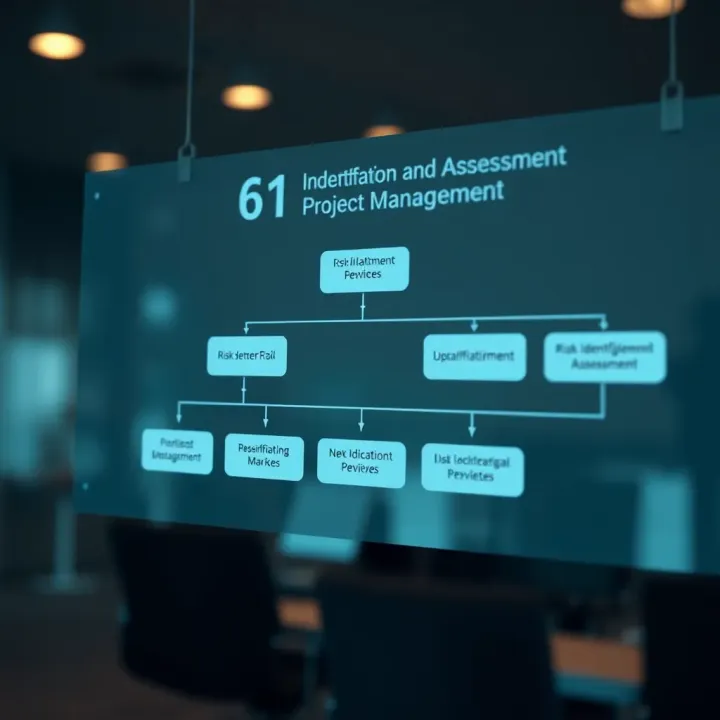
📊 Discover how risk management in project management stops surprises and boosts success. Learn practical steps Nigerian projects use to spot, assess, and control risks.
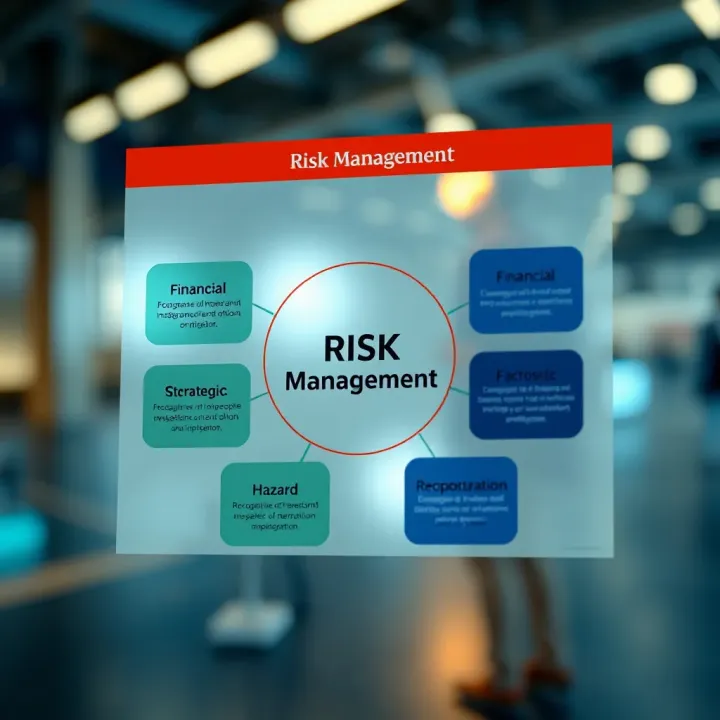
Explore types of risk management📊 like financial, operational, and compliance risks, plus how Nigerian businesses can apply them to protect profits and reputation effectively🔐.

📊 Learn how Nigerian businesses and public institutions can spot risks early, set clear goals, and build strong foundations for managing risks effectively.
Based on 12 reviews