
Understanding Forex Trading in Nigeria
Explore forex trading in Nigeria 🇳🇬 with this practical guide covering currency trades, strategies, risks, and tips to grow your ₦ safely in global markets 📈.
Edited By
Ethan Brooks
Forex trading, simply put, is the act of buying one currency and selling another simultaneously. Traders aim to profit from fluctuations in exchange rates, which can change due to factors like economic policies, political developments, or market sentiment. For instance, if you believe the US dollar will strengthen against the naira, you might buy dollars and sell naira, hoping to sell back at a better rate later.
Unlike stocks or commodities, the forex market operates 24 hours on weekdays, connecting global financial hubs—from Lagos and Abuja to London and New York. This continuous operation allows traders in Nigeria to participate at flexible hours, suiting different schedules.
Key players in forex include central banks like the Central Bank of Nigeria (CBN), commercial banks, multinational corporations, brokerages, and individual traders. Central banks may intervene to stabilise their currency, affecting market trends. For example, during naira volatility, the CBN may adjust policies to manage exchange rates.
The forex market mainly operates over-the-counter (OTC), meaning trades happen directly between parties via electronic platforms or by phone, instead of a central exchange. Popular platforms accessible to Nigerian traders include MetaTrader 4 and 5, as well as broker websites like FOREX.com or Exness.
Understanding that forex is driven by real-world economic events helps Nigerian traders anticipate potential movements and manage risks better.
To get started, one must grasp how currency pairs work. Pairs consist of a base currency and a quote currency (e.g., USD/NGN). The price shows how much of the quote currency is needed to buy one unit of the base currency. Knowing this makes it easier to track gains or losses during trading.
It’s essential to remember that forex trading carries risk. Volatile markets can lead to significant gains but also heavy losses. Nigerian traders should approach with careful strategies, starting with modest investments and using risk management tools such as stop-loss orders.
In short, forex trading offers active opportunities for Nigerians who want exposure to global markets. With the right knowledge and preparation, it can complement personal finance and investment plans effectively.
Forex trading, simply put, revolves around the buying and selling of currencies in the global market. Its significance lies in how it enables individuals, businesses, and governments to exchange money across borders and profit from the ever-changing value of currencies. Understanding what forex trading means is vital for anyone keen on entering this world because it sets the foundation for navigating the complexities ahead.
At its core, forex trading is about exchanging one currency for another, aiming to benefit from fluctuations in exchange rates. Unlike buying shares in a company, forex involves trading currency pairs — for example, the US dollar versus the Nigerian naira (USD/NGN). If you expect the naira to weaken against the dollar, you might sell the naira and buy dollars. When the naira does depreciate, you can reverse the trade to make a profit. This process happens in a massive 24-hour market driven by banks, corporations, governments, and traders.
To illustrate, imagine a Nigerian exporter expecting payment in dollars six months from now. To avoid losses from naira depreciation, they might use forex markets to lock in a favourable exchange rate today. This practical use of forex demonstrates why understanding it matters beyond mere speculation. For retail traders in Nigeria, knowing how forex trading operates can open doors to new income streams and financial strategies.
Currencies in forex trading are always quoted in pairs, combining a base currency and a quote currency. The price indicates how much of the quote currency one unit of the base currency can buy. For instance, if USD/NGN is quoted at 800, it means ₦800 will exchange for 1 US dollar.
Major pairs like EUR/USD or GBP/USD feature heavily traded currencies. Emerging market pairs involving the naira, such as USD/NGN, often show more volatility due to Nigeria's economic and political environment. This volatility offers both opportunities and risks, making informed decisions essential.
The dynamics within currency pairs stem from factors like trade balances, inflation rates, political stability, and central bank policies. When Nigeria’s Central Bank (CBN) adjusts interest rates, it can cause immediate shifts in naira value against other currencies. Thus, forex traders watch these pairs closely to predict the market.
Reading currency pairs is like reading road signs: they guide your trading decisions and help you respond promptly to market changes.
In summary, grasping what forex trading means and how currency pairs function equips you with the tools needed to approach this market confidently. You get to see forex not just as an abstract idea but as a practical system influencing everyday business and individual opportunities, especially in a complex economy like Nigeria’s.
Understanding how forex trading operates is key to making informed decisions in this market. Forex trading simply means buying one currency while selling another simultaneously. Since currencies are always quoted in pairs, every trade involves betting on the rise or fall of one currency against the other. For instance, if you expect the US dollar to strengthen against the euro, you might buy USD/EUR. If your prediction holds true, you stand to make a profit from the difference in exchange rates.
At the core of forex trading is the process of buying and selling currency pairs through the market's electronic platforms or brokers. When you buy a currency pair, you're purchasing the base currency (the first currency) and selling the quote currency (the second currency). Conversely, selling the pair means you're selling the base currency and buying the quote currency. This dual action happens in milliseconds, especially for retail traders using online platforms.
For example, if the USD/NGN pair is trading at ₦460/$1 and you believe the dollar will rise, you buy the pair. If it moves to ₦470/$1, you can sell and make a ₦10 profit per dollar traded, minus any fees or spreads the broker charges. This is how many Nigerian traders attempt to benefit from naira volatility.
Exchange rates reflect the value of one currency compared to another and change constantly due to supply and demand forces. These rates move because of economic news, political developments, or market sentiment. For example, when oil prices fall sharply, Nigeria’s economy feels the heat, often causing the naira to depreciate against major currencies like the US dollar or euro.
Market fluctuations offer both risk and opportunity. Sharp movements in exchange rates can lead to profits or losses depending on the trader's position. Traders keep a close eye on factors such as Nigeria’s inflation rate, CBN monetary policies, and geopolitical events affecting investor confidence.
Exchange rates aren't static; they oscillate based on economic realities and trader behaviour. Understanding these dynamics helps traders time their entry and exit points better.
In practice, traders use this knowledge to execute trades swiftly, hoping to buy low and sell high, or vice versa, in a market where prices can swing within seconds. Mastering forex mechanics and market volatility is essential for sustainable trading success, especially in Nigeria's dynamic financial environment.
The forex market is one of the largest and most liquid financial markets globally, and understanding its key players is essential for anyone involved in trading. These participants drive currency movements and create opportunities or challenges for traders. Their actions impact liquidity, volatility, and price trends, so knowing who they are helps you anticipate market behaviour effectively.
Central banks and financial institutions are the giants of the forex market. Central banks, such as the Central Bank of Nigeria (CBN), play a significant role by managing their countries’ currency reserves and implementing monetary policies that influence exchange rates. When the CBN adjusts interest rates or intervenes to stabilise the naira, the impact ripples through the forex market, affecting currency valuations.
Large financial institutions, including commercial banks and investment firms, also contribute heavily to forex activity. They transact billions daily for purposes ranging from international trade settlements to portfolio balancing. For example, a multinational corporation importing goods from China will use banks to convert ₦-denominated funds into Yuan, generating increased demand and price shifts. Moreover, these institutions often provide liquidity that retail traders rely on, making the market accessible at different times and price points.
Retail traders—individuals like you and me—have grown in prominence thanks to technology and online trading platforms. Platforms such as MetaTrader, offered by brokers like HotForex or FXTM, empower millions to buy and sell currencies from their laptops or phones. Though retail traders represent a smaller market share compared to financial institutions, their collective activities can still move markets during volatile periods.
Brokers act as the bridge between retail traders and the larger forex market. They provide access to currency pairs, leverage options, and trading tools needed to participate effectively. Choosing a trustworthy broker is vital since it affects your trading safety, order execution speed, and even how easily you can withdraw profits. In Nigeria, traders must be cautious and prefer brokers regulated by reputable authorities to avoid scams.
Understanding these key participants gives you a clearer picture of market dynamics. Central banks and institutions drive the big moves, while retail traders add volume and diversity, creating a more vibrant and accessible market.
By paying attention to what these players do—such as monitoring central bank announcements or broker policies—you can better time your trades and manage risks in the fast-moving forex environment.
Understanding the key factors that influence forex markets is vital for any trader aiming to navigate the currency landscape successfully. These elements shape exchange rate movements, impact trading decisions, and ultimately affect profitability. Two of the most significant factors are economic indicators alongside political events, and central bank policies, particularly interest rates.
Economic indicators provide measurable data points about a country's economic health, which directly affect its currency value. For instance, Nigeria’s inflation rate, GDP growth, unemployment figures, and trade balance influence how traders view the naira in the market. When inflation spikes unexpectedly, traders often anticipate a drop in currency value, adjusting their positions accordingly.
Political events can cause sudden market volatility. General elections, policy changes, or security challenges in Nigeria can sway investor confidence sharply. Take the 2019 general elections, for example — the naira experienced some fluctuations as investors weighed the political outcome's impact on economic stability. Such events introduce uncertainty, heightening risk and potential opportunity in forex trading.
Monitoring these indicators and political developments helps traders predict short-term and long-term currency trends. Traders often use economic calendars and news feeds to stay updated, allowing for timely decisions amid market swings.
Central banks like the Central Bank of Nigeria (CBN) play a powerful role by setting interest rates and guiding monetary policy. Changes in interest rates tend to attract or repel investment in a country's currency. When the CBN raises rates to curb inflation, it may boost demand for the naira as higher returns attract foreign capital.
Conversely, if rates are lowered to stimulate the economy, the currency might weaken against others. Beyond rates, quantitative easing, foreign exchange interventions, and policy statements from the CBN also influence trader sentiment.
A practical example is the CBN’s approach during the COVID-19 pandemic, where liquidity measures and forex interventions aimed to stabilise the naira amid global uncertainty. Traders who tracked these policies could adjust their strategies ahead of market moves.
Staying informed on economic indicators and central bank actions allows forex traders in Nigeria to manage risk sensibly and seize better trading opportunities.
Economic growth, inflation, trade data, and political stability affect currency demand.
Interest rate adjustments by the CBN shift investment flows and impact the naira's strength.
Consistent monitoring of official announcements and data releases is crucial to respond well.
For Nigerian traders, grasping these factors goes beyond theory; it shapes everyday trading choices that influence gains and losses in the volatile forex market.
Forex trading holds potential, but Nigerian traders must grasp the risks involved before diving in. Without understanding these risks, many find themselves burning through their investment before they even get the hang of the market's tempo. This section highlights the practical dangers you face and how to keep your trading journey safe and smart.
The forex market is known for its volatility — exchange rates shift rapidly due to economic news, political events, or even sudden rumours. For Nigerian traders, this can mean quick profits but also sudden losses. Using leverage multiplies both gains and losses, which can make or break your trading account. For instance, trading with 100:1 leverage means that a ₦10,000 investment controls ₦1,000,000 worth of currency. While this sounds enticing, a small market move against your position can wipe out your capital quickly.
Many new Nigerian traders overlook how fast volatility can swing account balances. A classic example was during the Central Bank of Nigeria’s policy announcements, where the naira’s exchange rate shifted sharply. Traders using high leverage without proper risk controls suffered severe losses. To manage this, applying stop-loss orders and limiting leverage ratios can protect your capital from sudden swings.
Managing volatility and leverage is about balance — too much risk exposes your capital, too little may limit profits.
The regulatory landscape for forex trading in Nigeria can be tricky. While the Central Bank of Nigeria (CBN) and Securities and Exchange Commission (SEC) regulate financial markets, forex trading platforms often operate in a grey area. Nigerian traders must prioritise brokers licensed by reputable authorities — like the SEC Nigeria or international bodies such as the FCA (UK) or CySEC (Cyprus).
Unregulated brokers pose real dangers, including withdrawal difficulties, price manipulation, or outright fraud. For example, there have been reports of platforms suddenly disappearing after collecting funds from Nigerian traders. To avoid this, always verify broker credentials, check for clear terms, and read reviews from other Nigerian users.
Additionally, Nigerian traders should be cautious about sharing sensitive information like Bank Verification Number (BVN) or bank details without confirming the broker’s legitimacy. Using two-factor authentication (2FA) adds an extra layer of security to your trading accounts.
In essence, understanding your local regulatory environment and insisting on safe trading practices safeguards you against common pitfalls and scams.
Together, recognising the risks from market volatility and working only with trusted brokers forms the foundation for a responsible approach to forex trading in Nigeria.
Starting forex trading in Nigeria offers promising opportunities but also demands careful preparation. The Nigerian market, with its active retail traders and rising fintech platforms like Paystack and Flutterwave, provides a fertile ground but comes with unique challenges such as currency volatility and regulatory shifts. This section guides you through the essentials to begin your forex journey with confidence.
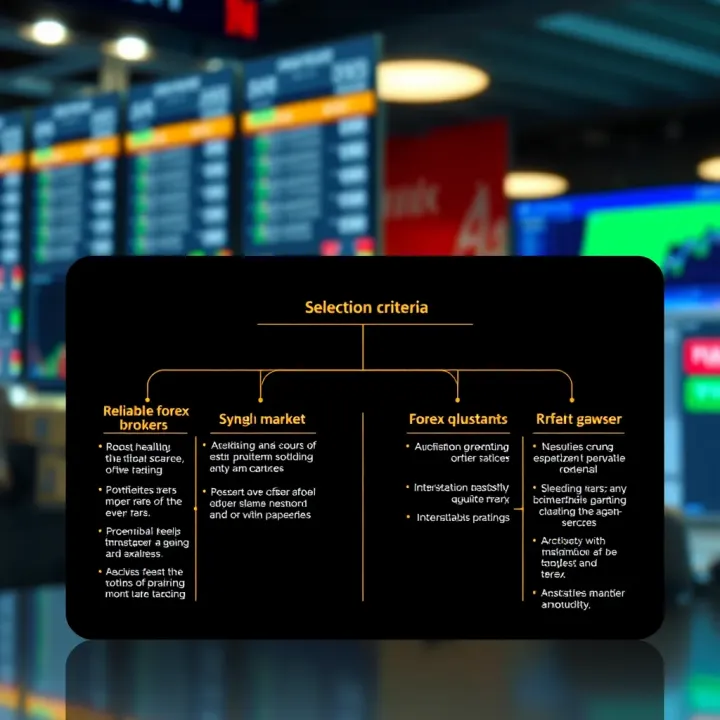
Picking the right broker is the bedrock of successful trading. Many Nigerian traders rely on platforms that support local payment methods like Quickteller, bank transfers, or USSD codes, providing smooth deposits and withdrawals. Reputable brokers such as FXTM, HotForex, or local firms with SEC (Securities and Exchange Commission) registration usually have better safety measures and customer support.
Consider these factors when selecting a broker:
Regulation: Verify if the broker is licensed by an authority like SEC Nigeria or FCA UK.
Trading Platform: Opt for user-friendly interfaces such as MetaTrader 4 or 5, which offer necessary tools and mobile app access.
Spreads and Commissions: Tight spreads reduce trading costs; check for hidden fees.
Customer Service: Responsive support can make or break your experience, especially when technical issues arise.
A practical example: A trader who picked a broker without checking its regulation ended up losing funds after platform failure. To avoid such pitfalls, thorough research is non-negotiable.
Getting started is straightforward but requires these clear steps:
Educate Yourself: Learn forex basics, trading terms, and market movements. Resources from online courses or Nigerian finance blogs can be valuable.
Open a Demo Account: Practice with virtual money to understand order execution without risking real funds.
Start Small: Begin live trading with minimal capital, avoiding over-leverage which can wipe out your account quickly.
Use Stop-Loss Orders: Protect your investment by setting automatic sell points to limit losses.
Follow Market News: Keep track of economic updates from CBN announcements or political developments that influence currencies.
Successful traders often stress that patience and discipline trump impulsive decisions. It’s better to grow your skills steadily than to rush into heavy investments.
For instance, many Nigerians have benefited from starting with ₦20,000 to ₦50,000, gradually growing their accounts while learning. Avoid chasing losses or doubling stakes recklessly, as it only compounds risk.
In summary, starting forex trading in Nigeria needs a mix of careful broker selection and a disciplined approach to trading. With these foundations in place, traders can tap into forex opportunities while managing the risks that come with the local market dynamics.
Explore forex trading in Nigeria 🇳🇬 with this practical guide covering currency trades, strategies, risks, and tips to grow your ₦ safely in global markets 📈.
🌍 Discover practical tips for forex trading in Nigeria! Learn how to pick trusted brokers, understand local rules, avoid mistakes, and sharpen your skills.
💹 Explore forex trading designed for Nigerians! Learn key concepts, spot risks, and get practical tips to trade currencies confidently and smartly.
Explore forex trading in Nigeria 🇳🇬 with tips on brokers, strategies, risks, regulations, and market opportunities to trade smarter and safer 💹
Based on 9 reviews