
Understanding Forex Trading in Nigeria
Explore forex trading in Nigeria 🇳🇬 with this practical guide covering currency trades, strategies, risks, and tips to grow your ₦ safely in global markets 📈.
Edited By
Sophie Turner
Forex trading happens around the clock, but not all hours carry the same opportunities. The forex market is divided into distinct trading sessions based on the main financial centres around the world. Understanding these sessions helps Nigerian traders pick the best times to enter or exit trades, making their strategy more effective.
There are four primary trading sessions: Sydney, Tokyo, London, and New York. Each session has specific opening and closing times that influence market activity and volatility.
Sydney Session: Opens at 9 pm and closes at 6 am Nigerian time (WAT). This marks the start of the trading day but tends to have lower price movements compared to others.
Tokyo Session: Runs from 12 am to 9 am WAT. Being Asia’s financial hub, this session sees increased trading volume, especially in currency pairs involving the Japanese yen (JPY) and other Asian currencies.
London Session: Opens at 8 am and closes at 5 pm WAT. This session often records the highest volume, as it overlaps with both Tokyo and New York sessions briefly. EUR, GBP, and other European currencies dominate here.
New York Session: Runs from 1 pm to 10 pm WAT. Overlapping partly with London, this session boosts liquidity and offers volatility, particularly for USD-related pairs.
Tip: The overlapping periods between London-New York (1 pm to 5 pm WAT) and Tokyo-London (8 am to 9 am WAT) generally produce the most significant price swings. Traders should watch these hours closely for potential profit opportunities.
For Nigerian traders, who often juggle multiple commitments, knowing these time frames is vital. For instance, the London-New York overlap happens during local afternoon to early evening hours, making it practical for many traders to engage without disrupting their daily routines.
Smart forex trading means not just chasing every market move, but timing your moves during sessions when liquidity and volatility present better chances to profit. This foundation sets the stage for understanding how to navigate risks and rewards in the forex market effectively.
Understanding forex trading sessions is a big deal for any trader aiming to make smart moves in the currency market. The forex market runs 24 hours a day, but trading activity isn’t the same all through. Instead, it’s divided into several key sessions aligned with major financial hubs worldwide. Each session carries its own rhythm of activity, liquidity, and volatility.
Forex trading sessions refer to periods when major financial markets around the globe are open for business. These sessions generally correspond to the geographic locations of financial centres like Tokyo, London, and New York. For example, the Asian session aligns with Tokyo’s business hours, the European session with London’s, and the North American session with New York’s. Since markets are in different time zones, the forex market cycles through these sessions one after another, maintaining the 24-hour nature.
This division helps traders pinpoint when the market is most active, where liquidity is highest, and when price movements tend to be more predictable. For a Nigerian trader operating on West Africa Time (WAT), knowing that the London session runs roughly from 7 am to 4 pm WAT offers a practical anchor to plan trading activities.
Knowing the timing and characteristics of each forex session can seriously boost your trading success. Each session reflects different market behaviours influenced by local economic news, central bank activities, and trader mood. For instance, the London session usually shows higher trading volume and volatility, creating opportunities for bigger gains but also bigger risks.
Trading without awareness of these sessions is like trying to catch a moving bus without checking its schedule. If you jump into the market during low-volume sessions, like the quiet hours of the Asian session for some currency pairs, you might face wide spreads and less predictable price moves.
By understanding session timings, you can align your trading to periods with suitable liquidity and volatility matching your strategy. For example, if you prefer quick trades with high price movement, the overlapping hours of London and New York sessions (12 pm to 4 pm WAT) are ideal. Conversely, if you prefer steadier markets, you might stick to the early Asian session hours.
Mastering forex trading sessions equips you with a timing advantage that enhances decision-making, helping you avoid unnecessary risks and capture optimal trading opportunities.
In brief, forex sessions aren’t just technical details—they form the backbone of strategic trading, especially for Nigerian traders who manage their positions around local time and lifestyle. Understanding these sessions helps you time your moves wisely, improve confidence, and potentially increase your returns.
Understanding the unique characteristics of major forex trading sessions helps traders pinpoint the best times to enter or exit trades. Each session—Asian, European, and North American—has distinct trading hours, liquidity levels, and market behaviours that directly impact price movements. Today, Nigerian traders can use this knowledge to align their strategies with periods of higher activity and avoid times when the market is slow or illiquid.
Trading hours in WAT (West Africa Time): The Asian session officially begins around 1 am and closes by 10 am WAT. This timing means Nigerian traders need to adjust their schedules if they want to trade during this period. While it falls mostly during the night for them, some active traders prefer this session to catch early market moves ahead of European markets.
Market behaviour and liquidity: The Asian session tends to exhibit lower liquidity compared to European and North American sessions, partly because it focuses on Japanese, Chinese, and other East Asian markets. Volatility is generally subdued, which often results in tighter price ranges. However, major news releases from Japan or China can cause sharp, rapid moves, so traders who monitor economic calendars closely may find opportunities during these bursts.
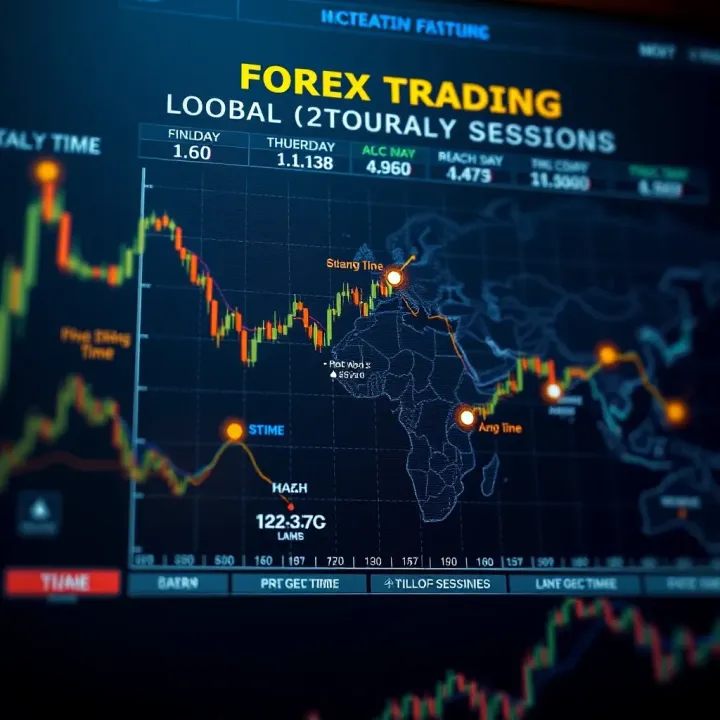
Opening and closing times relevant to Nigerian traders: The European session runs roughly from 8 am to 5 pm WAT, which conveniently aligns with Nigeria’s daytime hours. This makes it the most accessible session for many Nigerian traders. London’s role as a global financial centre means huge trading volumes enter the market during these hours.
Volatility patterns during this session: The European session is notable for high volatility and liquidity. Currency pairs involving the euro, pound sterling, and Swiss franc frequently see sharp movements. For instance, EUR/USD and GBP/USD often experience widened spreads and stronger price swings. Traders need to be ready for the sudden changes, especially around European market openings and economic data releases from the UK or Eurozone.
Session timing in Nigeria: The New York session runs from 1 pm to 10 pm WAT. This positions it as an afternoon to evening trading session for Nigerian traders, allowing more flexibility for those who cannot trade in the early morning.
Typical market activity and volume: The North American session often sees significant activity, particularly when it overlaps with the European session between 1 pm and 5 pm WAT. This overlap brings heavier liquidity and volatility, especially in USD-related pairs like USD/NGN and USD/CAD. Important US economic reports or Federal Reserve announcements usually trigger strong market reactions, providing good opportunities for quick trades or confirming trends established during the European session.
Knowing these session particulars equips Nigerian traders to schedule trades effectively, maximise profits, and manage risks better by understanding when the market is most active or quieter.
Asian session: lower volatility, suitable for careful position traders
European session: peak liquidity and volatility, ideal for day traders
North American session: high volume with strong USD impact, good for active trading
Aligning your trading efforts with these characteristics can make a real difference in performance and confidence in the market.
Knowing how forex trading sessions overlap is a game-changer for anyone serious about trading. These overlaps represent times when two major markets are open simultaneously, leading to increased trading volume and liquidity. For Nigerian traders, understanding these periods helps identify when the market is most active, offering better chances to enter or exit trades with tighter spreads and less slippage.
Session overlaps create more vibrant market conditions by combining the trading power of two financial hubs. When this happens, liquidity spikes and price movements often become more pronounced. This means spreads tend to narrow, making it cheaper to trade, while volatility can increase, presenting more opportunities for profit. On the flip side, traders must be cautious since sudden news during overlap times can lead to rapid price swings.
For example, a trader focusing only on one session might miss the best price moves that occur when two markets collide. For Nigerian traders operating in West Africa Time (WAT), recognising these windows helps adjust trading routines to capture the best momentum.
London and New York overlap: This overlap lasts roughly from 2 pm to 5 pm WAT. It is the most active and liquid period in the forex market, given London's status as the world’s largest financial centre and New York’s role as the US trading hub. During this time, currency pairs involving the US dollar (USD), British pound (GBP), and euro (EUR) experience heightened volatility and volume. Nigerian traders seeking quick price action or intraday trading setups often find this overlap period most profitable.
Because both markets influence global trade and finance, move chances during this overlap can be dramatic and sustained. For example, unexpected US economic data or Bank of England announcements released during this window can trigger sharp moves. Traders can benefit by timing entries around major news releases or anticipating typical market behaviour during the overlap.
Tokyo and London overlap: Though shorter and less intense than the London-New York overlap, the Tokyo-London overlap happens around 8 am to 9 am WAT. This crossover connects Asian and European sessions, contributing to moderate liquidity and activity, especially on currency pairs like USD/JPY and EUR/JPY.
For Nigerian traders interested in swing trading or longer-term positions, the Tokyo-London session can be useful for catching early European market moves. However, volatility here is usually lower than the London-New York period, so risk management should reflect the thinner activity. Strategically, positioning trades ahead of this overlap can set up opportunities as London markets take the baton from Asia.
In short, mastering when sessions overlap gives you an edge. It’s about knowing when the market wakes up for real and capitalising on those moments where volatility and liquidity meet. These overlaps often define the best windows for trading success.
Increased liquidity enhances trade execution quality
Volatility during overlaps offers profit potential
Traders can plan strategies around overlap timings
Being familiar with these overlapping sessions lets Nigerian traders adjust their schedules, avoid low-activity hours, and better navigate forex market swings to grow their ₦ portfolio effectively.
Understanding forex trading sessions is key for Nigerian traders aiming to make well-timed moves in the market. By knowing the active hours of the Asian, European, and North American sessions adapted to Nigerian time, traders can identify when to enter or exit trades to maximise liquidity and volatility advantage. For example, aligning your trading hours with the London and New York overlap (generally from 2 pm to 5 pm WAT) provides access to the most active period, perfect for capitalising on swift price movements.
Nigerian traders operate on West Africa Time (WAT), which is UTC+1. Since forex trading sessions are traditionally based on global financial centres, it's crucial to convert these trading hours appropriately. The Tokyo session starts around 12 am and closes by 9 am WAT, while London runs from 8 am to 4 pm WAT, and New York overlaps from 1 pm to 9 pm WAT. Depending on your availability—whether trading before work or during the evening—you can target sessions that fit your schedule.
For instance, a trader who trades in the evenings might leverage the New York session's liquidity. Meanwhile, the European session might suit those active during normal daytime hours. Adjusting your trading schedule ensures you engage when market liquidity is high, reducing spread costs and slippage common in less active times.
Day traders thrive on short-term movements within highly liquid sessions. For Nigerians focusing on day trading, sessions with higher volatility like the London open or the London-New York overlap offer abundant price action for quick trades. Conversely, swing traders, who hold positions over days or weeks, might take a broader view, entering trades during any session but focusing on overarching trends developed through multiple sessions.
For example, a day trader in Lagos could start trading early morning during the London session’s start to catch the first wave of volatility. Meanwhile, a swing trader might enter or exit positions after seeing how the day’s sessions unfold, using session knowledge to avoid entering trades during low liquidity hours which might distort price movement signals.
Forex sessions differ widely in volatility and liquidity. The European and North American sessions present higher trading volumes, making them ideal for active strategies. On the other hand, the Asian session often sees subdued activity, especially outside Tokyo's peak hours.
Understanding these differences helps Nigerian traders manage risk better. For instance, avoiding low-volume Asian session trades reduces being caught in thin markets with increased spreads and erratic price moves. Instead, Nigerian traders can wait for the London or New York sessions to execute trades more confidently, especially for currency pairs involving the USD, GBP, or EUR, where volume surges in these sessions.
Adjusting your trading strategy according to session behaviour and Nigerian time ensures you are not trading blind—this knowledge sharpens your timing, reduces costs, and improves chances of success.
Understanding the rhythms of forex trading sessions helps you avoid costly mistakes and make smarter decisions. Nigerian traders, especially, can benefit from practical tips tailored to local realities like power outages, internet stability, and time zone differences. These tips help you align your market activity with the best trading periods and avoid unnecessary risks.
Each forex trading session has its unique behaviour. For instance, during the Asian session (Tokyo market), volatility tends to be lower. Markets move more slowly, and liquidity can be thinner compared to European or North American sessions. Nigerian traders who expect big price swings at this time may be disappointed or caught in sideways markets.
By contrast, the London session opens around 8:00 am WAT, coinciding with a burst of activity. This is when liquidity peaks, especially in currency pairs like EUR/USD and GBP/USD. Realistic expectations here mean anticipating rapid price movements but also more unpredictable swings. Swing traders might find the European session ideal for entering or exiting positions, while day traders can capitalise on intraday volatility.
Recognising these different moods avoids frustration. If you trade during low activity on the Asian session, plan smaller trades or side activities to conserve capital. During London-New York overlap, expect more choppy markets and adjust your stop-loss orders accordingly for protection.
Low-volume sessions often tempt traders to force trades, chasing market moves or jumping into breaking news without proper analysis. This approach is risky because low liquidity increases spread costs, slippage, and the chance of price manipulation by big players.
For example, trading the Nigerian naira (NGN) during Asian hours can prove difficult as NGN pairs see very limited activity. Smooth execution can become challenging; order fills might be delayed or at worse prices.
To avoid this, avoid opening large positions during thin markets, and check your broker’s spread and execution quality during these periods. Many Nigerian retail brokers highlight session-specific spreads—pay attention to those.
Another pitfall is ignoring market consolidations in low-volume times. Price tends to stagnate, and false breakout signals appear often. Patience is key: wait for clear trend confirmation in following sessions before making aggressive trades.
Successful trading depends on matching your actions with the market's pulse. Trying to fight session characteristics usually ends in losses.
By setting precise targets for each session and respecting market dynamics, Nigerian traders can reduce risk and build more consistent results. With the right expectations and discipline during slow hours, you protect your capital and improve your chance to profit when volume returns.
Explore forex trading in Nigeria 🇳🇬 with this practical guide covering currency trades, strategies, risks, and tips to grow your ₦ safely in global markets 📈.
Learn how to trade forex in Nigeria 🇳🇬 with insights from Majalah Taujih. Get practical tips, risk management, and know the regulatory rules for safer profits ₦.
📈 Learn forex trading in Nigeria with clear steps on market basics, choosing reliable brokers, smart strategies, and managing risks safely for ₦ gains.
Explore top forex trading platforms for Nigerian traders 📊. Compare fees, security, payment options, and user experiences to pick the best fit for your ₦ trading goals.
Based on 5 reviews