
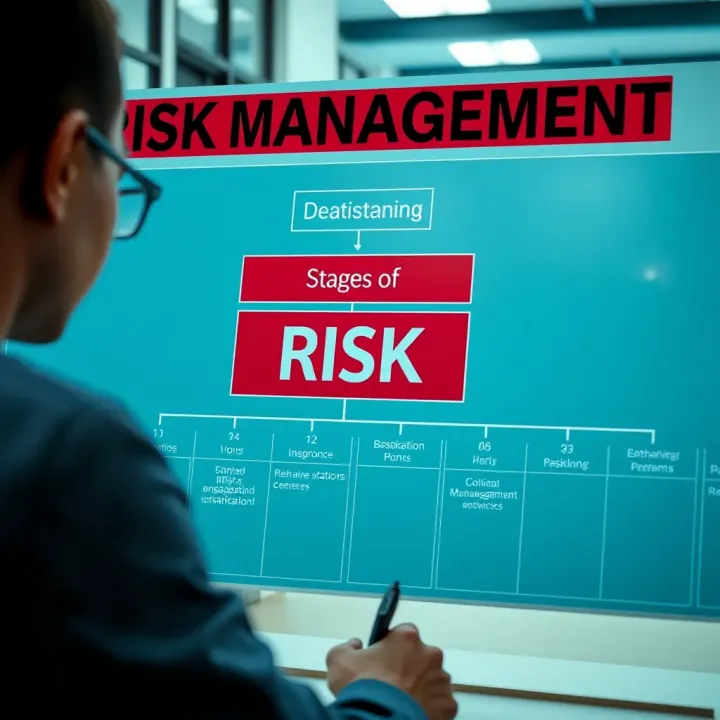
Understanding Risk Management in Nigerian Business
📊 Master risk management in Nigeria's business world with our hands-on guide—learn to identify, control, and reduce risks with practical tips and helpful PDFs included.
Edited By
Sophie Mitchell
Risk management certification has become a critical credential across many sectors in Nigeria and globally. Whether you work in finance, trading, brokerage, or advising investors, knowing how to spot and manage risks can protect your organisation and improve your career prospects.
This certification equips you with practical skills to identify, assess, and mitigate potential threats—from market fluctuations and credit risk to operational challenges. For traders and finance analysts, it means adding layers of decision-making power grounded in proven frameworks and tools.
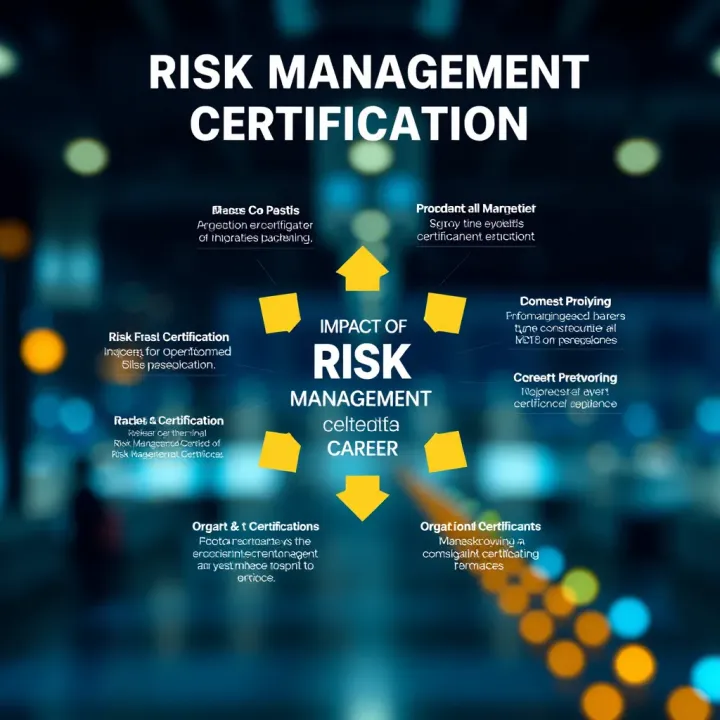
In Nigeria’s fast-changing business environment, risk management certification is especially valuable. Companies face uncertainties like currency volatility, regulatory shifts from bodies like the Central Bank of Nigeria (CBN), and infrastructure challenges such as irregular power supply. Certified professionals help businesses navigate these issues systematically rather than reacting in panic.
Majoring in risk management also signals to employers and clients that you understand global standards and best practices. Popular certifications include the Risk Management Professional (RMP) and the Certified Risk Manager (CRM), widely recognised in Nigerian financial institutions and multinational companies.
Getting certified enhances your credibility and shows you can contribute to safeguarding assets, optimising returns, and ensuring regulatory compliance.
Typical certification involves several steps:
Completing coursework covering risk principles, assessment methods, and control measures
Passing an exam that tests understanding of risk frameworks and their application
Gaining experience in real-world settings to apply what you’ve learned
For students aspiring to join finance or trading fields, starting your risk management certification early can give you an edge in job markets crowded with fresh graduates. For working professionals, it’s a way to climb the career ladder or pivot to risk-focused roles.
In summary, risk management certification combines theory and practice, sharpening your ability to detect threats before they become crises. It’s a smart investment for anyone wanting to thrive amid Nigeria’s unique economic landscape and beyond.
Risk management certification is a formal recognition that equips professionals with the skills to identify, evaluate, and mitigate risks in a structured way. It not only confirms technical competence but also signals an understanding of best practices across industries. This certification ensures individuals can anticipate potential threats—whether financial, operational, or strategic—and put in place measures to minimise impact.
At its core, risk management is the process of recognising threats before they affect business objectives. For example, a stockbroker in Lagos might use risk management principles to assess the volatile naira exchange rate's impact on investment portfolios. Understanding these risks is vital because it helps organisations avoid costly disruptions and comply with regulations such as those from the Securities and Exchange Commission (SEC) Nigeria or Central Bank of Nigeria (CBN). Ultimately, this discipline ensures stability and encourages informed decision-making.
Effective risk management can be the difference between loss and profit in fast-moving Nigerian markets.
Certifications test several core areas including risk identification, assessment techniques, control strategies, and monitoring. Candidates must demonstrate proficiency in various tools such as risk matrices and probability-impact charts, which help quantify potential threats. For instance, a risk analyst working in the Nigerian oil sector might focus on geopolitical risks and supply chain vulnerabilities. Also assessed are communication skills—critical when advising stakeholders or preparing risk reports. These competencies prepare professionals to develop and implement thorough risk frameworks tailored to their organisations.
Risk management is essential not just in finance but across sectors such as banking, manufacturing, telecommunications, and energy. For example, fintech companies like Paystack or Flutterwave rely heavily on risk professionals to secure transactions and prevent fraud. Roles directly impacted include risk analysts, compliance officers, project managers, and even executive leaders who oversee organisational risk policies. Holding certification often helps these professionals navigate Nigeria’s complex business environment, where issues like currency fluctuation, power instability, and regulatory shifts regularly challenge enterprises.
In summary, risk management certification involves mastering practical techniques to predict and handle risks effectively. This knowledge is invaluable for a range of industries in Nigeria, particularly finance and energy, where the stakes are high and the environment constantly changing.
Risk management certifications provide a solid proof of expertise in identifying and handling risks in various industries. Understanding the types of certifications available helps professionals select the paths that align with their career goals and industry needs. In Nigeria, both global certifications and local options hold value, each offering different advantages depending on the sector and role.

The Certified Risk Manager (CRM) designation is offered by The National Alliance for Insurance Education & Research and is globally respected. It focuses on comprehensive management of operational, financial, hazard, and strategic risks. CRM is practical for professionals working in sectors like insurance, banking, or agribusiness, where detailed risk identification and control are necessary. Its emphasis on real-world applications makes it useful in Nigerian markets where enterprises often navigate diverse and dynamic risks.
PMI-RMP caters specifically to risk management in project environments. It helps professionals sharpen skills to anticipate potential project risks, plan responses, and keep projects on track. In Nigeria’s fast-growing construction, oil and gas, and telecom industries, where project delays or uncertainties can cost millions of naira, PMI-RMP holders are sought after for their ability to minimise risks effectively and guide teams with confidence.
The ARM certification covers broader risk management principles and methodologies across business functions. Its flexibility makes it applicable in financial services, manufacturing, and healthcare sectors within Nigeria. Professionals with ARM often demonstrate strong analytical skills to assess risk exposures and recommend practical mitigation strategies, boosting operational resilience in organisations.
Several Nigerian bodies, including the Chartered Insurance Institute of Nigeria (CIIN) and the Institute of Risk Management Nigeria (IRMN), offer certifications tailored to local industry challenges and regulatory contexts. Such certifications tend to focus on Nigeria-specific risks like currency volatility, regulatory compliance, and security challenges which international programmes may not fully cover. For example, CIIN’s risk management programmes link insurance knowledge with practical risk controls, which is vital for professionals in the Nigerian insurance and banking sectors.
Many Nigerian universities and professional institutes provide diploma and certificate courses in risk management. These are structured to blend theory with local case studies like managing risks in agribusiness supply chains or small and medium enterprises (SMEs). Institutions such as the University of Lagos and Lagos Business School offer courses that equip students and working professionals with foundational skills without the extensive costs or travel associated with international certifications.
Choosing between global and local options depends on your career path, industry, and budget. Global certifications often boost profile in multinational firms, while local options provide practical relevance and networking within Nigeria’s economic landscape.
By understanding these different certification types, you can strategically decide which qualification best fits your ambitions and workplace realities.
Obtaining a risk management certification requires a clear understanding of the process involved, which helps professionals plan and allocate resources effectively. This process includes meeting eligibility standards, passing examinations, fulfilling ongoing development requirements, and considering costs and time invested. Having a roadmap ensures you remain on track and avoid surprises as you pursue this important qualification.
Eligibility often depends on your academic background and work experience. Most globally recognised certifications, such as the Certified Risk Manager (CRM) and Project Management Institute–Risk Management Professional (PMI-RMP), require candidates to hold at least a bachelor's degree. Additionally, some certification bodies expect candidates to have experience in risk-related roles, typically ranging from two to five years. For instance, to sit for the PMI-RMP exam, professionals usually need three to four years of project management experience.
Local certifications in Nigeria may have more flexible requirements, sometimes accepting diplomas or HND holders with relevant industry experience. For example, certain Nigerian institutes offer risk management training programmes that accept experienced professionals without formal degrees but with extensive work history in finance, banking, or insurance sectors.
Certification exams test your knowledge of risk management principles, tools, and real-world application. These exams usually combine multiple-choice questions, case studies, and scenario-based assessments. Passing these exams confirms that you meet industry standards. For example, the Associate in Risk Management (ARM) certification exam focuses on identifying and analysing business risks, making it highly practical for operational roles.
Beyond passing exams, maintaining certification often demands continuing professional development (CPD). This means attending workshops, seminars, online courses, or contributing to risk management projects regularly to keep your skills sharp and updated with evolving industry practices. Most certification bodies require you to earn a set number of CPD hours every one to three years.
The financial investment varies depending on the certification and provider. International certifications like PMI-RMP may cost between $400 and $600 (approximately ₦350,000 to ₦525,000), including exam fees and study materials. Local certifications and training programmes in Nigeria can be more affordable, ranging from ₦100,000 to ₦300,000.
Time commitment also differs based on personal schedules and preparation pace. Some candidates complete certification within six months, while others may take up to two years, especially when balancing work and study. Planning your study routine, using quality study guides, and joining study groups can speed up the process.
Earning risk management certification is an investment in your career; understanding the process, costs, and requirements upfront helps avoid delays and maximises the value of your qualification.
With proper preparation and commitment, pursuing certification provides a competitive edge in Nigeria’s evolving finance, insurance, and investment sectors, equipping professionals with skills critical for effective risk control and decision-making.
Risk management certification offers concrete advantages for professionals aiming to strengthen their career and contribute meaningfully to their organisations. Beyond the certificate, these benefits translate into practical skills, better job prospects, and organisational growth.
Holding a risk management certification signals to employers and clients that you possess verified expertise in identifying, analysing, and controlling risks. This credential enhances your professional reputation, especially in finance, insurance, banking, and project management sectors common in Nigeria. Certified professionals often demonstrate a sharper ability to anticipate challenges, reducing costly surprises. For example, a finance analyst with a certification like the Project Management Institute–Risk Management Professional (PMI-RMP) will stand out by applying structured risk assessment methods to investment portfolios, improving decision making.
Risk management certification can open doors to promotions and higher-paying roles. In Nigeria’s competitive job market, certified professionals often enjoy faster career progression. Studies suggest certified risk managers may command up to 20–30% higher salaries than non-certified colleagues within sectors such as oil and gas, banking, and telecommunications. In Lagos and Abuja especially, employers value these credentials for roles requiring risk evaluation, regulatory compliance, and strategic planning. Beyond salary, certification may facilitate entry into leadership positions where risk control directly influences business success.
Certified professionals contribute to improving their organisation’s risk culture and operational resilience. They bring frameworks and tools to identify vulnerabilities before they escalate into major losses. For instance, a certified risk manager in a Nigerian bank can help minimise fraud and credit default risks by implementing robust risk controls aligned with Central Bank of Nigeria (CBN) guidelines. This improves overall performance and safeguards the company’s reputation and financial health. In many cases, investing in certified risk personnel reduces insurance premiums and compliance costs, contributing to long-term sustainability.
A recognised risk management certification is more than a personal achievement—it equips you to protect and grow your organisation in uncertain environments.
In essence, obtaining a risk management certification blends professional growth with practical contributions to your workplace, making it a worthy investment for anyone serious about their career in Nigeria’s dynamic industries.
Choosing the appropriate risk management certification can significantly shape your career trajectory and professional growth. Not all certifications carry the same weight or apply equally across industries. Getting the right one means aligning your choice with your career goals, industry expectations, and practical constraints like time and money.
Start by reflecting on where you want your career to go. Different sectors like banking, oil and gas, or telecommunications in Nigeria demand varying risk management skills. For instance, if you work in banking or fintech, a certification like the Project Management Institute–Risk Management Professional (PMI-RMP) may be more valued due to its focus on project risks and financial implications. On the other hand, professionals in manufacturing or construction might lean towards Certified Risk Manager (CRM) because of its broader approach to operational risks.
Beyond the sector, consider your career level. Entry-level professionals might find the Associate in Risk Management (ARM) a solid foundation, while middle or senior managers could benefit from specialised credentials that cover strategic risk assessment. Assess the job descriptions, speak to industry contacts, or follow market trends to understand which certifications recruiters and employers tend to prefer.
Not all certification programmes offer the same quality or recognition. Globally recognised programmes like PMI-RMP come with the benefit of international acceptance, but local bodies such as the Risk Management Association of Nigeria also provide relevant training tailored to local conditions and regulatory frameworks. When comparing, consider the curriculum, examination standards, availability of study materials, and support systems.
Check if the certification body requires continuing professional development (CPD) to maintain your qualification because this affects long-term commitment. Some providers deliver training through online platforms, which may suit busy professionals juggling work and study. Others prefer in-person classes, offering networking opportunities with peers and mentors. Balance these factors according to what suits your learning style and career requirements.
Cost is a practical consideration that cannot be overlooked. Some certifications may cost upwards of ₦500,000 when you factor in registration, training, and examination fees. Compare these against your budget and the potential return on investment, such as salary increases or job promotions.
Time commitment varies between programmes. Certain certifications require months of study alongside work commitments. Think about your current job demands and personal life before committing to long study periods. Some providers offer modular or accelerated courses that can help you complete the certification faster.
Lastly, consider the recognition of the certification within your industry and by employers in Nigeria. A qualification highly regarded by multinational companies may not carry the same prestige in local SMEs, and vice versa. If you plan to work abroad or with international companies, global certifications tend to carry more weight.
Choosing the right risk management certification is not solely about earning a certificate; it’s about making a strategic investment in your career path that aligns closely with your professional objectives and the realities of the Nigerian market.
By carefully weighing these factors, you can select a certification that boosts your skills, enhances your credibility, and opens doors in your desired field.
📊 Master risk management in Nigeria's business world with our hands-on guide—learn to identify, control, and reduce risks with practical tips and helpful PDFs included.

📘 Discover the real benefits of risk management courses in Nigeria 🇳🇬, learn core concepts, career paths, and how they help protect your business and future.

📊 Explore how Nigerian businesses identify, assess, and manage risks to protect their capital and boost earnings. Learn practical steps for smarter risk management.
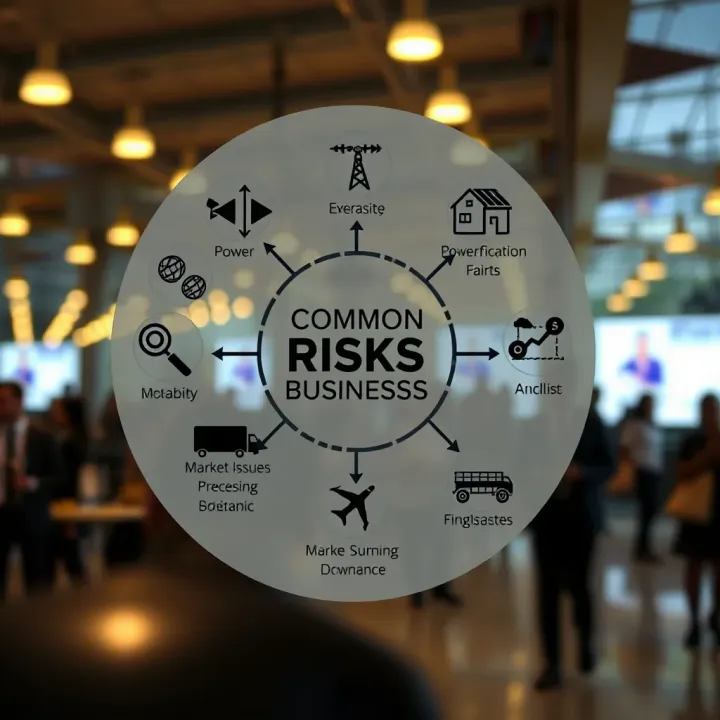
Learn how Nigerian businesses can manage risks like economic uncertainty, power supply issues, and market changes with practical steps to boost resilience 📊🔌🇳🇬
Based on 6 reviews