

Risk Management Process for Nigerian Businesses
Learn how Nigerian businesses can identify, evaluate, and tackle risks to protect assets and comply with regulations. Stay steady despite infrastructure and economic challenges 📊⚙️
Edited By
Charlotte Adams
Risk management is about spotting and handling threats that could hit a business's money and profits. It's not just a fancy term used by banks or big firms; every trader, investor, or finance professional deals with risk daily. In Nigeria's dynamic market, where exchange rates shift sharply and power supply issues add extra burdens, understanding risk management helps firms avoid unnecessary losses.
At its core, risk management means figuring out what can go wrong, measuring how likely it is, and taking smart steps to reduce or control it. This isn't guessing work – it involves real data and practical processes. For example, a Lagos-based trader might assess risks linked to naira depreciation when importing goods, then use hedging strategies or price adjustments to protect profit margins.

Effective risk management safeguards capital and business continuity, enabling companies to stay competitive despite economic uncertainties.
Practically, risk management includes:
Identifying potential risks like market volatility, regulatory changes from the Central Bank of Nigeria (CBN), supply chain disruptions, or fraud
Assessing the impact and chance of each risk occurring
Developing plans to mitigate these risks, such as diversifying investments, buying insurance, or implementing stronger controls
Monitoring continuously to adapt as situations change
Traders and investors can also benefit by applying risk management principles to their portfolios. For instance, spreading investments across sectors like agro-processing, tech, and fintech reduces dependence on any single market segment. Similarly, finance analysts use risk assessments to advise clients on safe yet profitable moves.
In Nigeria’s business landscape where challenges like fuel scarcity and exchange rate fluctuations happen severally, risk management keeps enterprises resilient. It turns uncertainties into manageable challenges.
In the rest of this article, we'll explore common types of risks, steps to manage them well, and specific examples of how Nigerian businesses implement these strategies to protect their interests and grow profitably.
Risk management is not just a buzzword but a practical necessity for businesses across Nigeria and beyond. In simple terms, it means actively identifying possible threats and figuring out how to reduce their impact before they escalate. For instance, a Lagos-based fintech company might foresee challenges from regulatory changes or currency fluctuations, and managing those risks helps them stay afloat amid unpredictable conditions.
Risk refers to any uncertainty that could cause loss or damage to an organisation’s objectives, be it financial, operational, or reputational. In Nigeria, risks often come from volatile markets, regulatory shifts, and infrastructure hiccups. For example, a manufacturing firm may face interruptions due to erratic power supply, which translates to increased operational costs and potential revenue loss. Understanding these risks means acknowledging they are inherent in doing business but not necessarily insurmountable.
Every risk carries a potential cost, but recognising it early means you can plan ahead and avoid heavy damage.
The main goal of managing risk is to protect the company's assets—be it money, reputation, or operational capacity. Good risk management ensures a business can keep functioning smoothly even when challenges arise. For example, banks in Nigeria routinely manage credit risks by using the Bank Verification Number (BVN) system to verify customers and prevent fraud. This reduces the chance of default and protects their bottom line.
Besides avoiding loss, risk management helps businesses make smarter decisions. By assessing the likelihood and impact of various risks, managers can prioritise resources effectively. SMEs, for instance, might allocate limited funds to safeguard critical areas like data security or supply chain reliability. Ultimately, risk management helps maintain stakeholder confidence—from investors to customers—by demonstrating the business is well-prepared against challenges.
In practice, risk management involves steps such as identifying risks clearly, evaluating their potential effects, and deciding on control measures. Nigerian companies benefit from tailored strategies reflecting local realities—fuel scarcity, regulatory updates from agencies like the Securities and Exchange Commission (SEC Nigeria), or market instability caused by naira fluctuations. This grounded approach shields them from shocks and builds resilience.
Effective risk management helps businesses shield themselves from unexpected financial shocks that could otherwise drain their resources or stall operations. This is particularly vital in Nigeria’s fluctuating economic environment, where factors like naira volatility and fuel scarcity have real impact. For instance, a manufacturing firm that properly identifies supply chain risks can arrange alternative suppliers before a disruption causes costly delays.
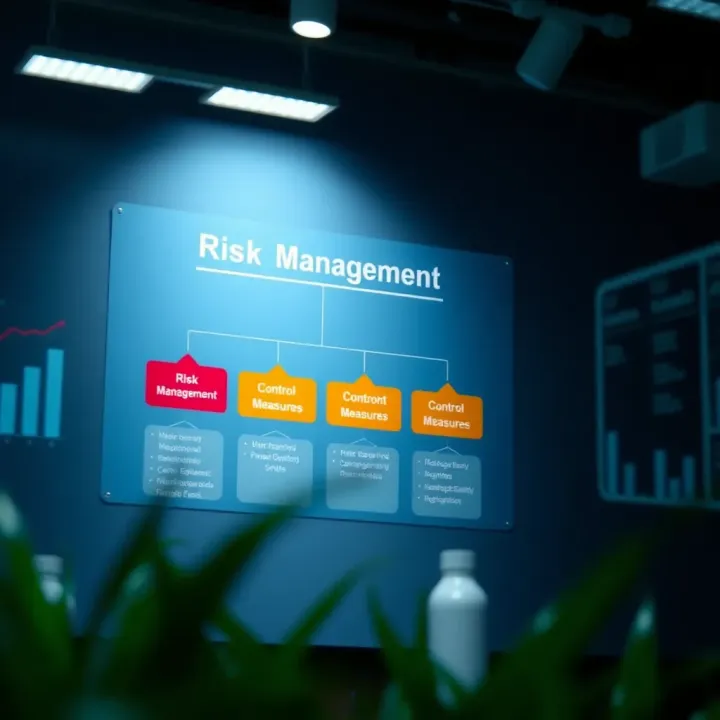
Preventing losses is often the most immediate benefit of risk management. When a business actively monitors its financial exposure, it can avoid or reduce the impact of events such as credit defaults, currency swings, or theft. Consider a Lagos-based fintech startup that anticipates regulatory changes by investing in compliance early—this move prevents sudden fines or operational halts.
Besides regulatory compliance, operational risks like power outages or equipment failure are frequent in Nigerian industries. Businesses that plan for these, perhaps by installing reliable generators or maintaining critical machinery regularly, avoid production stoppages and save on emergency repair costs.
Risk management is not just about avoiding downside but also enabling smarter choices. Knowing the potential risks involved empowers management to evaluate opportunities thoroughly. For example, an investor considering an expansion into agribusiness can assess weather risks, fluctuating commodity prices, and logistic challenges before committing capital.
With a proper risk framework, businesses can balance potential rewards against possible losses. This clarity often leads to better project selection, prioritisation, and resource allocation—burning fewer holes in the wallet and increasing chances of success.
A company that manages risks well builds trust with customers, investors, and partners. Nigerian consumers and stakeholders pay close attention to how businesses handle crises or controversy. A bank that swiftly responds to cyber threats or fraud protects customers’ savings and sustains confidence.
Reputation can be more fragile than financial health; a single mismanaged incident could cost brand loyalty and future revenue. Companies with sound risk controls often enjoy easier access to credit, better valuations, and smoother regulatory approvals.
In short, effective risk management ensures a business remains resilient, adaptable, and trusted in a challenging market. It transforms risks from merely threats into factors that can be managed for sustainable growth and competitive advantage.
Risk management gains real meaning when businesses understand the types of risks they are likely to encounter. These categories serve as a practical framework to identify, evaluate, and prioritise risks, allowing organisations to focus resources where they matter most. Nigerian businesses, whether in bustling Lagos or smaller towns, face distinct challenges in each risk area. Knowing these categories helps traders, investors, and finance analysts prepare better responses.
Financial risks revolve around the possibility of losing money due to changes in currency rates, credit defaults, or shifts in market conditions. Nigerian companies often struggle with naira volatility, especially amid fluctuating foreign exchange controls set by the Central Bank of Nigeria (CBN). For instance, a manufacturer importing raw materials may face increased costs when the naira weakens against the dollar, directly hitting profit margins. Similarly, banks face credit risk if borrowers default, while investors on the Nigerian Stock Exchange (NGX) are exposed to market swings triggered by political events or global commodity price changes. Understanding these financial risks helps institutions safeguard capital and maintain liquidity.
Operational risks stem from failures within a company’s day-to-day activities. These include breakdowns in processes, IT system glitches, or even human error. For example, a fintech company like Paystack could lose customer trust after a system outage that blocks payments during peak periods, leading to lost sales and reputational harm. Similarly, human error in handling customer data at a bank or logistics errors in an FMCG firm can trigger significant disruptions. Operational risk management means putting robust systems, staff training, and backup measures in place to keep business flowing smoothly despite hiccups.
Businesses operating in Nigeria encounter legal and regulatory risks due to the complex and sometimes shifting regulatory landscape. Non-compliance with laws from agencies like the Nigerian Communications Commission (NCC) or the National Environmental Standards Regulations Enforcement Agency (NESREA) can lead to fines or licence revocation. For example, oil and gas firms must adhere to strict environmental guidelines or risk penalties that might stall operations. Finance houses also face pressure to comply with anti-money laundering regulations and the Federal Inland Revenue Service (FIRS) tax rules. Operators who understand this risk category will integrate legal checks and regular audits to avoid costly litigations or disruptions.
Reputational risk involves threats to a company’s public image, which can damage stakeholder trust and market standing. In Nigeria’s socially connected environment, a single negative social media post about poor customer service or product safety at a retail chain like Shoprite can spread quickly, affecting sales and partnerships. For public companies or banks, this risk translates into lost investor confidence and falling share prices. Hence, managing reputational risks means proactive communication, quick handling of complaints, and consistent delivery of quality to safeguard a brand’s hard-won goodwill.
Recognising these categories helps you pinpoint vulnerabilities specific to your area of business, making your risk management efforts sharper and more purposeful.
By focusing on these risk categories, traders, investors, and finance professionals in Nigeria can better anticipate challenges and develop strategies that protect and grow their enterprises in an unpredictable business environment.
Managing risk well requires a clear, structured approach. Every business, whether a fintech startup in Yaba or a manufacturing outfit in Aba, benefits from following key steps that make risk management practical and impactful. These steps not only protect company assets and earnings but also improve decision-making and resilience against disruptions.
The first step is to pinpoint what risks the organisation faces. This involves scanning both internal and external environments. For instance, a Lagos-based export business must consider currency fluctuations and port delays, while a bank focuses on credit risk from loan defaults. Once identified, risks need assessment for their likelihood and potential impact. Using tools like risk matrices helps firms prioritise which risks deserve immediate attention. This clear-eyed evaluation prevents wasting resources on minor risks while ignoring critical threats.
After risks have been assessed, businesses craft plans to address them. Control strategies vary widely: financial risks may be hedged through currency forwards or insurance, while operational risks might require improved staff training or system upgrades. For example, a Nigerian oil company facing pipeline sabotage could invest in community engagement and security measures. Effective strategies should be tailored to the firm's size, resources, and the specific risk profile, always balancing cost against expected benefit.
Plans remain just ideas until they are put into action. Implementation means putting controls in place, assigning responsibilities, and ensuring everyone understands their role. In banking, this could mean adopting tighter credit approval processes or deploying advanced fraud detection software. Small businesses might introduce routine safety checks or update contracts to include force majeure clauses. The effectiveness of these measures relies heavily on committed leadership and clear communication throughout the organisation.
Risk is never static. Markets shift, regulations change, and new threats emerge. Hence, continuous monitoring is essential. Businesses should regularly review the effectiveness of their risk controls to detect gaps early. In practice, this could involve periodic audits, ongoing staff feedback, or technology performance checks. A Lagos-based tech firm, for instance, might track cybersecurity incidents monthly and adapt its defences accordingly. Without vigilant monitoring, risk management efforts quickly become outdated and ineffective.
Managing risk is not a one-off task but a cycle of continuous attention and improvement, especially in Nigeria’s fast-evolving business environment.
By following these key steps diligently, traders, investors, and analysts can not only protect their investments but gain a competitive edge. Practical examples from Nigerian sectors show that risk management, when done right, supports growth and long-term stability even amid uncertainty.
Risk management is an essential part of running any Nigerian business, regardless of size or industry. Given the country’s dynamic economic environment—characterised by currency fluctuations, regulatory changes, and infrastructure challenges—having a solid risk management plan helps organisations stay afloat and competitive. Effective risk strategies not only shield businesses from financial losses but also improve decision-making and foster trust among investors, customers, and regulators.
The financial services sector in Nigeria, including banks and fintech firms like Paystack and Flutterwave, faces numerous risks such as credit defaults, fraud, and market volatility. Banks like GTBank and Access Bank deploy advanced risk assessment models to manage loan portfolios, monitor liquidity, and comply with Central Bank of Nigeria (CBN) regulations. For instance, to combat fraud, many institutions use biometric verification linked to Bank Verification Number (BVN) to reduce identity theft and improve transaction security. Managing these risks preserves depositor confidence and ensures the liquidity needed for lending.
Oil and gas companies—such as NNPC (Nigerian National Petroleum Company Limited) and independent operators—face operational risks like equipment failure, environmental hazards, and fluctuating global oil prices. These firms implement rigorous safety protocols and insurance schemes to offset potential losses. Manufacturing firms in Lagos and Aba also contend with power supply issues and raw material shortages. They often invest in generator solutions and maintain multiple supplier relationships to reduce downtime. Both sectors adopt risk audits and scenario planning to prepare for disruptions, which is critical for maintaining steady production.
SMEs form the backbone of Nigeria’s economy but often lack formalised risk management systems. Many struggle with cash flow inconsistencies, inconsistent power supply, and insecurity, which can threaten their survival. To address these, SMEs may use simple financial tracking tools or group insurance plans accessible through cooperative societies. Also, some are leveraging fintech solutions like Kuda or OPay to manage payments more reliably. Although challenges remain, gradual adoption of risk practices helps SMEs build resilience, especially in volatile environments such as during the ember months.
Applying the right risk management approach tailored to each sector not only safeguards Nigerian businesses but also improves their chances of thriving despite economic and operational uncertainties.
Understanding and adapting risk management within the local context enables Nigerian companies to respond effectively to threats and seize emerging opportunities.
Learn how Nigerian businesses can identify, evaluate, and tackle risks to protect assets and comply with regulations. Stay steady despite infrastructure and economic challenges 📊⚙️

Learn practical steps of risk management for Nigerian businesses 🇳🇬, covering hazard identification, assessment, and monitoring to protect against economic and security threats.
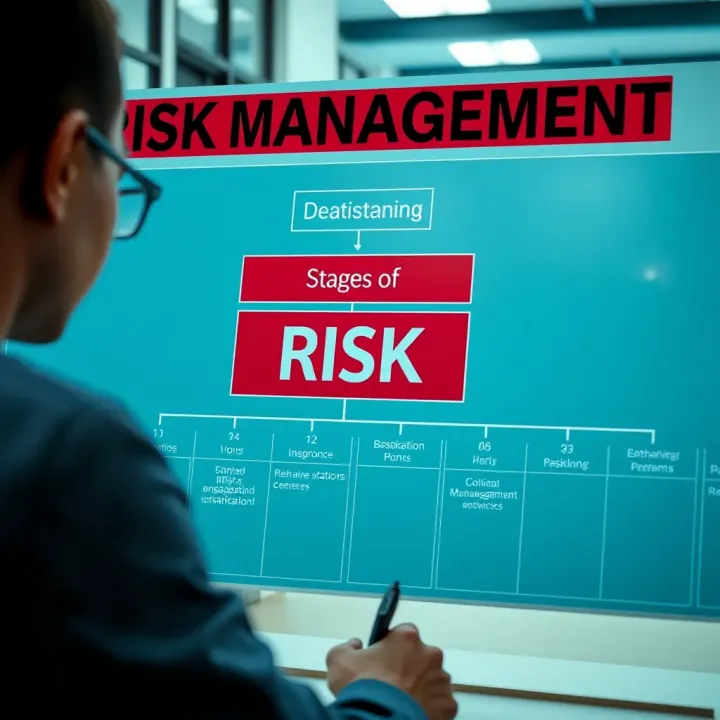
📊 Master risk management in Nigeria's business world with our hands-on guide—learn to identify, control, and reduce risks with practical tips and helpful PDFs included.

Explore types of risk management📊 like financial, operational, and compliance risks, plus how Nigerian businesses can apply them to protect profits and reputation effectively🔐.
Based on 11 reviews