

Effective Forex Trading Strategies for Nigerians
📈 Master forex trading in Nigeria with effective strategies: trend following, range trading, breakouts & savvy risk management for steady success.
Edited By
Emily Harding
Forex trading stands out as one of the most accessible yet challenging investment arenas, especially for Nigerian traders chasing returns amid naira fluctuations and global market movements. This guide provides clear, practical strategies for approaching forex with a level head and steady hands. It's designed to boost your confidence in handling the market’s ups and downs through proven methods.
You’ll explore both fundamental and technical strategies tailored to meet the demands of today’s forex market. Nigeria’s forex ecosystem, with platforms like Oanda, FXTM, and local brokers, requires traders to be savvy not just about price actions but also the economic factors shaping currency strength. Understanding how to read economic indicators, CBN policies, and geopolitical events is vital for staying ahead.
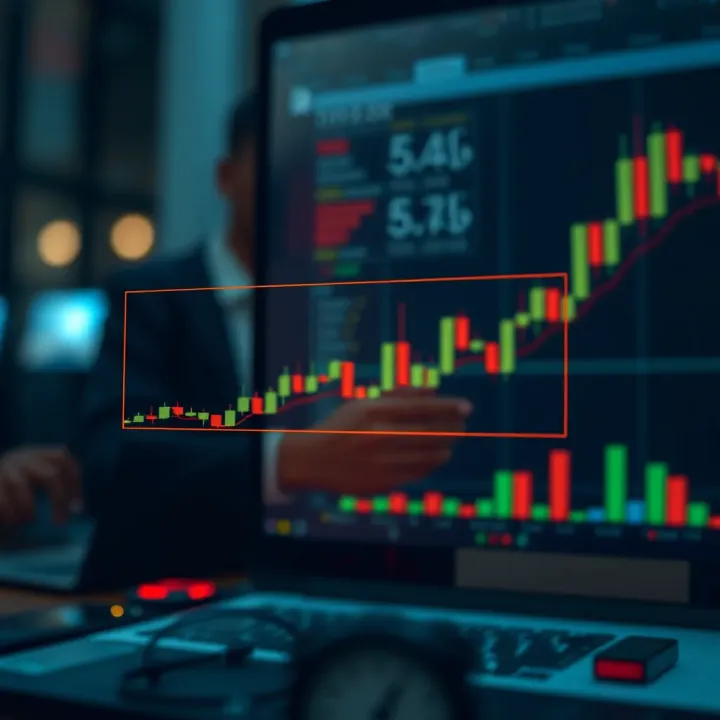
Successful forex trading isn’t about chasing every signal but knowing when and how to act strategically. Risk management is paramount—protecting your capital must take priority over hasty gains.
This section also emphasises practical risk control measures, including position sizing, stop-loss orders, and portfolio diversification. Additionally, it introduces how downloadable PDF guides can serve as valuable references. These documents often provide step-by-step setups, checklists, and market analyses that you can review offline, sharpening your trading acumen over time.
Fundamental analysis basics: Grasping impacts of inflation, interest rates, and political stability on currency pairs.
Technical analysis essentials: Using charts, indicators like Moving Averages and RSI, and recognising patterns to time your trades.
Risk management tactics: Applying stop loss rules, calculating risk-to-reward ratios, and managing leverage responsibly.
Utilising PDF resources: Leveraging curated materials to revise strategies, keep track of trading logs, and stay updated on evolving market conditions.
The forex market doesn’t reward guesswork. As a Nigerian trader, aligning your methods with disciplined strategies and reliable educational tools makes your journey less about chance and more about control and calculated decisions. Take this knowledge seriously, revisit your strategies regularly, and always learn from each trade.
This introduction sets the stage for deeper dives into how to trade forex smartly and profitably within Nigeria’s dynamic market.
Getting a proper grasp of forex trading basics sets the foundation for any successful trader. If you don’t understand the core principles, trying to read charts and apply strategies from PDFs is like trying to drive a car without knowing how to steer—it won’t get you far. For instance, knowing what forex trading actually is helps you see how global currency values fluctuate and why these movements create profit or loss opportunities.
Forex trading, simply put, is the buying and selling of currencies against one another. Imagine a trader exchanging US dollars for euros hoping the euro will strengthen against the dollar. The goal is to sell those euros later at a higher price and make a gain. Forex is the world’s biggest financial market where trillions of dollars change hands daily, and it operates 24 hours because currency markets in major cities like London, New York, and Tokyo follow their business hours around the clock.
Certain currency pairs attract the most attention because they offer good trade volumes and are easier to analyse. Major pairs include USD/NGN, EUR/USD, GBP/USD, and USD/JPY. For Nigerian traders, the USD/NGN pair is crucial since the Nigerian Naira’s value impacts imports, exports, and local purchasing power. Tracking these pairs helps traders spot trends, volatility, and potential entry or exit points in the market.
The forex market operates across different time zones, meaning there’s always some activity somewhere. The London session often sees high liquidity, making it the busiest; New York follows and overlaps with London, boosting activity further. Tokyo and Sydney sessions are quieter but can still produce significant price changes, especially for Asian currency pairs. Being aware of these cycles helps traders schedule their trades when liquidity and volatility match their strategy.
Understanding when and how forex markets operate daily allows traders to time their moves better and avoid poor market conditions.
Having these basics down is like having a map and compass before trekking through dense Lagos Danfo traffic; it guides your decisions, helps avoid costly errors, and increases your chances of trading successfully in the volatile forex market.
Understanding popular forex trading strategies is vital for anyone serious about navigating the volatile foreign exchange market. These strategies offer clear frameworks on how to approach trading decisions based on market behaviour, which helps you manage risks and optimise profits. Nigerian traders, in particular, face a unique market scene shaped by local currency volatility and global economic shifts. Knowing which strategy to apply at the right time can make the difference between steady gains and losses.
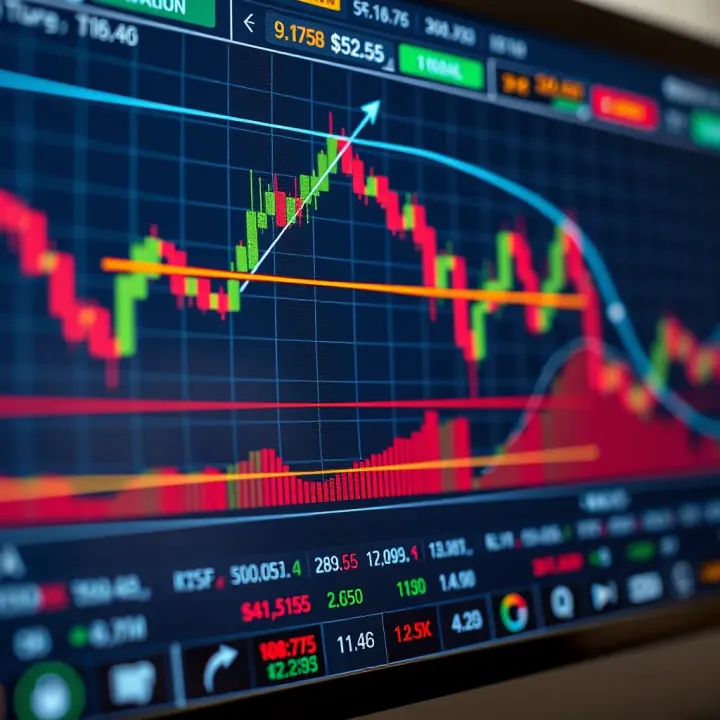
Trend following involves capitalising on sustained movements in currency prices. The idea is straightforward: buy when the market is rising and sell when it is falling. For instance, if the US dollar is steadily strengthening against the naira over several days, a trend follower would enter a buy position early and ride the momentum until signs of reversal. This strategy works well in markets with clear, predictable trends but demands patience and discipline. Nigerian traders often use moving averages or the Relative Strength Index (RSI) to spot trends effectively.
Range trading targets periods when currency prices move within defined upper and lower limits, showing no clear upward or downward trend. Traders identify support and resistance levels—basically the 'floor' and 'ceiling' that prices bounce between—and buy near support while selling near resistance. For example, the EUR/USD pair may hover between 1.12 and 1.15 over weeks; range traders profit by buying at the low end and selling at the high. This approach is less stressful since you don't chase big trends, but it requires accurate level identification and quick reactions to potential breakouts.
Breakout trading is about catching significant price moves when the currency breaks through established support or resistance levels. These sudden surges often happen due to economic news or shifts in market sentiment. Nigerian traders who monitor events like Central Bank of Nigeria (CBN) policy changes or US Federal Reserve announcements can anticipate breakouts and position accordingly. For example, if the naira suddenly weakens past a historical support level, entering a short trade early can lock in profits as the market accelerates downward.
The carry trade leverages differences in interest rates between two currencies. Traders borrow in a currency with a low interest rate and invest in one with a higher rate, profiting from the gap. For example, borrowing in Japanese yen (low interest) to buy South African rand (higher interest) can yield gains. In Nigeria, considering the monetary policy rate set by CBN compared with other countries is crucial before attempting this approach. However, carry trades carry risks like sudden currency swings and changes in interest policies, so thorough research is necessary.
Applying the right strategy depends on market conditions, your risk tolerance, and local factors like naira stability. Combining knowledge of these strategies with practical tools and disciplined execution helps Nigerian traders thrive despite market challenges.
Popular forex trading strategies provide tested frameworks. Knowing when and how to implement them can boost your chances in Nigeria's fast-moving forex market. Each method has unique merits and pitfalls; mastering them means understanding both the theory and the pulse of the market through hands-on practice and continuous learning.
Using PDFs to learn forex trading strategies offers distinct advantages, especially for Nigerian traders who need accessible, in-depth materials suited to varying skill levels. PDFs provide a portable and structured way to digest complex forex concepts and revisit crucial points without needing constant internet access. Beyond convenience, high-quality PDF guides often include charts, examples, and step-by-step walkthroughs that make learning tangible.
Locating credible PDFs is the first challenge. Always prioritise materials from reputable sources such as well-known forex educators, established forex brokers, or financial institutions with a presence in Nigeria. For instance, a PDF prepared by a recognised financial analyst with case studies on the NGN/USD pair holds more practical value than generic ones. Also, check for up-to-date content; forex market rules and strategies evolve, so a guide dated from several years ago might miss crucial local elements like naira volatility or CBN policy effects.
Avoid PDFs with heavy jargon and unsupported claims; instead, look for materials that explain strategy logic clearly and use local examples when possible. Nigerian traders benefit from guides that shed light on how global economic events affect local currency pairs, incorporating Nigerian economic indicators.
Studying forex strategy PDFs requires an active approach. Start by scanning the content, then break down sections into manageable chunks you can apply in demo trading environments. For example, if the PDF explains a breakout strategy, simulate trades on platforms like MT4 or local brokers’ apps using historical data.
Highlight key terms, keep notes summarising each strategy’s strengths and weaknesses, and regularly review complex charts or formulas. Moreover, pair reading with practical exercises—like adjusting stop-loss levels discussed in the PDF—to deepen understanding. The goal is not just to know the strategy but to see how it performs in scenarios similar to local markets.
While PDFs set the foundation, trading tools bring theory into real-world action. Use mobile apps provided by Nigerian brokers or fintech firms like Kuda or Flutterwave for quick market updates and executing trades. Additionally, charting tools with live data—such as TradingView or the MT4 terminal—help test and refine strategies learned from PDFs.
Beyond software, consider joining online forums or local trading groups, where fellow traders share insights and real-time experiences. This social element often bridges gaps left by static PDF content, like adapting strategies during ember months when market volatility may spike due to economic activities in Nigeria.
Quick Tip: Always keep updated PDF materials alongside practical tools and community feedback to stay sharp in Nigeria’s ever-shifting forex environment.
Using PDFs in this focused way transforms them from static documents into valuable stepping stones for becoming a confident, adaptable forex trader.
Managing risk is a fundamental part of successful forex trading. Without a clear risk management plan, even the best strategies can lead to costly losses. For Nigerian traders, who often deal with volatile currencies like the naira, controlling risk means protecting your capital and avoiding huge drawdowns that could wipe out your gains.
Stop-loss and take-profit orders act as safety nets in your trades. A stop-loss limits the amount of loss you can incur by automatically closing your trade when the price hits a certain point, while a take-profit ensures you lock in gains once the price reaches your target. For instance, if you buy USD/NGN at ₦480 and set a stop-loss at ₦475, your loss caps at ₦5 per dollar even if the price dives further.
Using these orders helps remove emotions from trading decisions, guarding against panic selling or greed-driven holding. Always set stop-loss slightly beyond key support or resistance levels, allowing room for market noise without exposing yourself to unlimited losses.
How much you trade (position size) should align with your overall capital and risk tolerance. If your trading account holds ₦500,000 and you risk 2% per trade, your maximum loss per position should not exceed ₦10,000. Position sizing calculators or spreadsheets can help determine how many lots this amount translates to depending on stop-loss distance.
Leverage lets you control a larger position with smaller capital but magnifies both profits and losses. Using high leverage without proper risk controls is like driving on Lagos roads without brakes—dangerous and unpredictable. Nigerian brokers often offer leverage up to 1:100 or more; however, conservative leverage around 1:10 or 1:20 is safer. Always balance leverage with solid risk limits.
Emotions such as fear, greed, and hope frequently cloud judgement, especially during rapid market moves or losing streaks. Traders that chase losses, hesitate to close losing positions, or double up on bad trades risk wiping out their account quickly.
Discipline is key. Develop and stick to a trading plan that includes clear entry and exit rules, risk limits, and regular review sessions. Practicing mindfulness or keeping a journal can help spot emotional patterns. For example, if you notice you always overtrade after a win, you can adjust your approach accordingly.
Good risk management doesn't guarantee profits, but it makes losses manageable and keeps you in the game.
By focusing on these aspects, Nigerian forex traders can better protect their funds and improve consistency. Managing risk means respecting the market's uncertainties and treating every trade like a business decision, not a gamble.
Understanding local market nuances gives Nigerian forex traders an edge. Forex strategies must consider the specific economic, regulatory, and currency conditions unique to Nigeria. This ensures that traders design plans that are realistic, effective, and resilient against local challenges.
Naira volatility heavily influences forex trading decisions. Sudden changes in the ₦/$ exchange rate can wipe out profits if a trader is not prepared. For example, in 2023, rapid naira depreciation impacted many traders who relied solely on stable exchange forecasts. Integrating stop-loss orders and flexible entry points helps handle such swings better. Using hedging techniques with currency futures or options, when available, can also protect portfolios. Nigerian traders should also be aware of parallel market rates since these often differ significantly from official rates, affecting profitability.
Tracking Nigeria-specific economic data is vital. Indicators such as inflation rates, oil price fluctuations, foreign reserve levels, and Central Bank of Nigeria (CBN) policies directly impact forex markets. For instance, an unexpected change in CBN’s monetary policy rate often triggers immediate market reactions. Keeping tabs on agricultural yields and election outcomes is also relevant as these can affect investor confidence and naira demand. Nigerian traders are advised to follow local business news channels and trusted financial newspapers daily to spot opportunities and risks ahead.
Nigeria's forex market operates under strict rules. The Securities and Exchange Commission (SEC) and the Central Bank of Nigeria regulate trading to protect investors and ensure market integrity. Traders must use platforms registered with these bodies to avoid scams. Besides, the CBN restricts certain forex transactions to control capital flight. An example is the policy directing oil exporters to repatriate foreign exchange through official channels, which feeds liquidity on the official market. Understanding these regulations can help traders avoid legal pitfalls and exploit compliant trading avenues effectively.
Nigerian forex traders who blend global strategies with local economic realities and regulations often achieve better and more sustainable results.
In summary, successful forex trading in Nigeria depends on adapting to naira dynamics, staying alert to domestic economic events, and observing regulatory guidelines. This focus helps traders trade smarter and guards their investments against country-specific risks.
📈 Master forex trading in Nigeria with effective strategies: trend following, range trading, breakouts & savvy risk management for steady success.
🌍 Discover practical tips for forex trading in Nigeria! Learn how to pick trusted brokers, understand local rules, avoid mistakes, and sharpen your skills.
💹 Explore forex trading designed for Nigerians! Learn key concepts, spot risks, and get practical tips to trade currencies confidently and smartly.
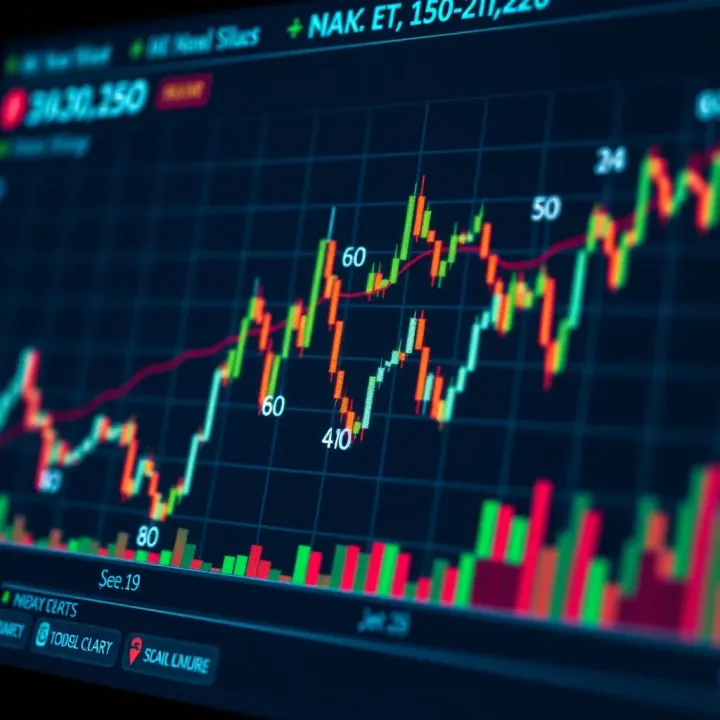
Explore forex trading in Nigeria 🇳🇬 with tips on brokers, strategies, risks, regulations, and market opportunities to trade smarter and safer 💹
Based on 6 reviews